Your Road Trip Map
Let's be honest. The idea of a massive American road trip has probably been living in your head for years. That classic image of the open highway, windows down, music up, with landscapes changing outside your window. It's a powerful daydream. But when you actually sit down to plan a road trip USA 2 weeks adventure, it can feel overwhelming. Which route? How much will it cost? Where do you even start?
I've been there. I've also driven a 2002 sedan with questionable air conditioning across three time zones, so I've learned a few things the hard way. This guide isn't about a perfect, Instagram-only fantasy. It's about giving you the real, practical blueprint to make your two-week journey across America actually happen, and be incredible.
Picking Your Perfect 2-Week USA Road Trip Route
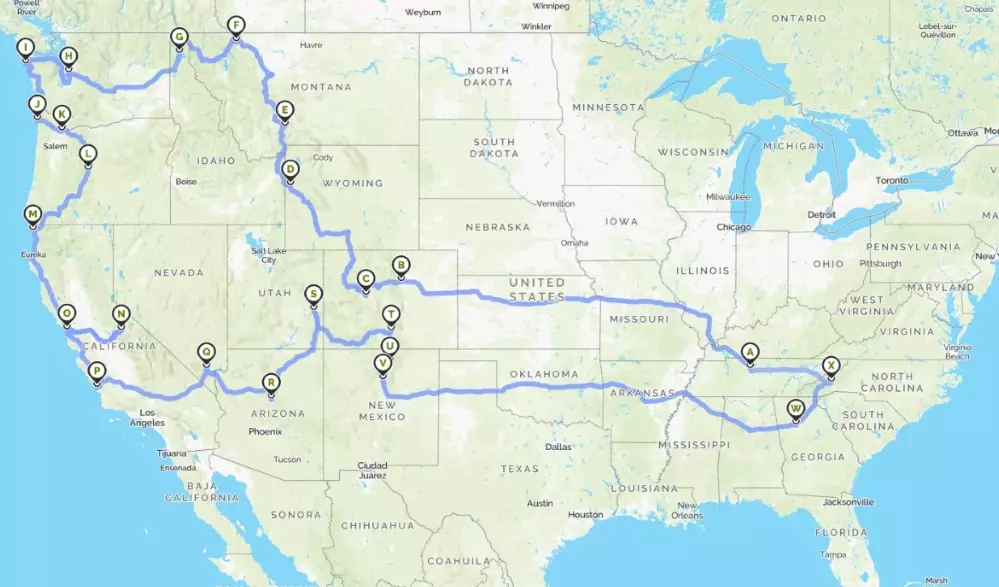
This is the first and biggest decision. The route sets the tone for everything. Based on sheer iconic scenery and manageability, two routes stand out as perfect for a first-time, two-week timeline.
The Classic Cross-Country: Chicago to San Francisco (Route 66 & Beyond)
This is the mother of all American road trips. You trade pure coastal views for a deep dive into the heartland, the deserts, and the evolution of roadside America. It's history, kitsch, and vast open spaces.
Why it works for 2 weeks: The distance is just right. You have time to actually get out of the car, not just drive. You'll experience the dramatic shift from Midwest plains to the sandstone cliffs of the Southwest.
A Sample 14-Day Itinerary:
- Days 1-2: Chicago. Explore the city, get deep-dish pizza, and find the historic "Begin Route 66" sign.
- Days 3-4: Drive to St. Louis (4.5 hrs). See the Arch, then head towards the Ozarks in Missouri. Spend a night in a quirky Route 66 motel.
- Days 5-6: Into Oklahoma and Texas. Stop at the Cadillac Ranch in Amarillo (spray paint in hand!). The landscape starts to flatten and feel truly western.
- Days 7-9: The New Mexico/Arizona core. This is where the magic happens. Santa Fe for art and adobe, then a full day (or two) for the Grand Canyon's South Rim. It's a cliché for a reason—it will knock your socks off.
- Days 10-11: Drive through the Mojave Desert into Las Vegas (a wild contrast to the natural beauty). One night here is plenty for most people to get the vibe.
- Days 12-14: The final push. Cross the Sierra Nevada mountains (check for snow closures even in spring/fall!) and descend into California. Your finale is the Golden Gate Bridge in San Francisco.
The Western Nature Lover's Loop: Las Vegas Loop (National Parks Bonanza)
If your goal is maximum jaw-dropping natural scenery with less focus on city time, this circular route from Las Vegas is unbeatable. Fly in and out of Vegas, rent a car, and make a loop.
Why it works: You minimize backtracking and hit a ridiculous concentration of the USA's most famous parks. It's efficient and spectacular.
The 14-Day Circuit:
- Days 1-2: Las Vegas. Recover from your flight, see a show, stock up on supplies. Rent an SUV if you plan any rough roads.
- Days 3-5: Zion National Park (2.5 hr drive). Hike The Narrows or Angels Landing (if you're brave). Need a permit for some hikes now, so plan ahead on the National Park Service website.
- Days 6-7: Bryce Canyon (1.5 hrs). Smaller than Zion but utterly unique with its hoodoos. Sunrise at Sunrise Point is non-negotiable.
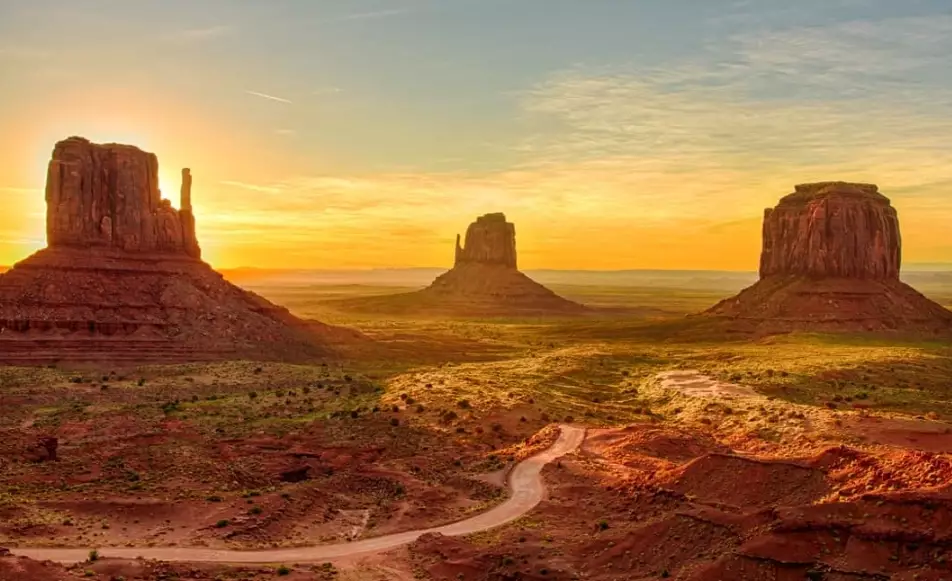
- Days 8-10: Monument Valley & Antelope Canyon (4 hrs). You've seen Monument Valley in movies. Being there is different. Stay in nearby Page, Arizona for Antelope Canyon tours (book WELL in advance).
- Days 11-13: The Grand Canyon South Rim (2.5 hrs). Give it at least two nights. One for the classic rim views, one to hike even a little way down (like to Ooh Aah Point). The scale is incomprehensible until you're there.
- Day 14: Drive back to Las Vegas (4.5 hrs). Return the car, fly out.
The Nuts and Bolts: Planning Your USA 2-Week Road Trip
Alright, you've got a route in mind. Now for the reality check. This is where most dream trips get grounded or go off the rails.
Budgeting: How Much Does a 2-Week American Road Trip Really Cost?
Forget glossy magazine estimates. Let's break it down for two people sharing costs, aiming for a mix of comfort and value—not barebones, not luxury.
| Expense Category | Estimated Cost (for 2 people) | Notes & Money-Saving Tips |
|---|---|---|
| Car & Gas | $800 - $1,500 | Rental fees vary wildly. An economy car can be $400/week. Gas is a huge variable. Use the FHWA website for average state gas prices. Driving an SUV? Budget high. |
| Accommodation | $1,400 - $2,500 | $100-$180/night is realistic for motels/chain hotels. National Park lodges book a year out and cost more. Consider Airbnb for longer stops. |
| Food | $700 - $1,200 | Mix of grocery picnics, diner breakfasts, and occasional nice dinners. Eating every meal out will double this. |
| Activities & Parks | $300 - $600 | Get the America the Beautiful Annual Pass ($80). It covers entry fees for all national parks for your car. A single park can be $35, so it pays for itself in 3 visits. |
| Miscellaneous & Buffer | $300 - $500 | Souvenirs, unexpected car washes (you'll need one), parking fees, that giant cowboy hat you suddenly need. |
| TOTAL (Approx.) | $3,500 - $6,300 | For two people. So, roughly $175-$225 per person, per day, all-in. It's not cheap, but it's an experience of a lifetime. |
See? Having a number makes it real. You can adjust down by camping, or up by staying in nicer places. But now you know.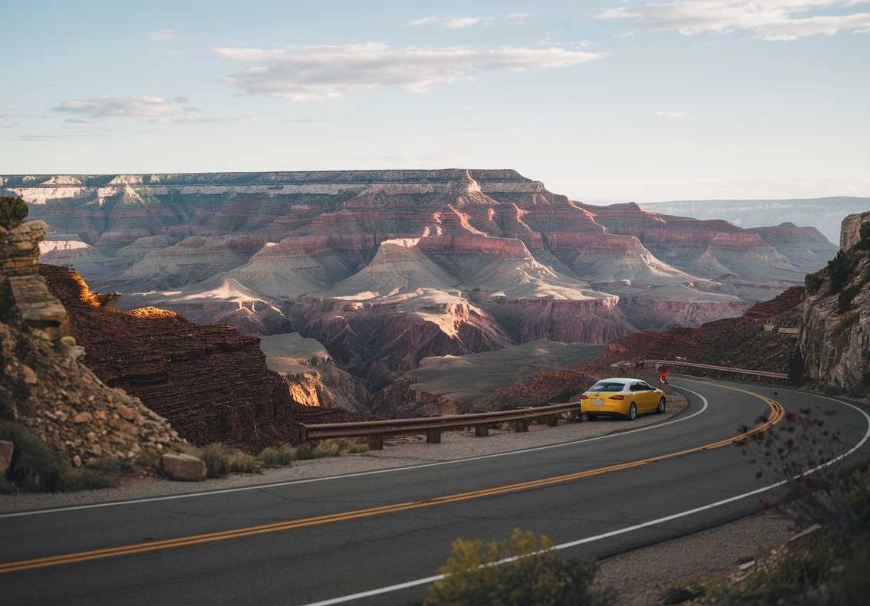
When to Go: Timing is Everything
Summer (June-August) is peak season for a reason—school's out, weather's reliable. It's also crowded, expensive, and scorching hot in the desert Southwest. Seriously, 115°F in Arizona is not a joke.
My absolute favorite times for a road trip USA 2 weeks are the shoulder seasons:
- Late April to Early June: Wildflowers in California, pleasant Southwest temps, summer crowds haven't fully arrived.
- September to Mid-October: Summer heat breaks, kids are back in school, fall colors start in higher elevations (like the Rockies if you're up there).
Winter can be magical in the Southwest (cool days, cold nights), but mountain passes (like I-70 in Colorado or the Sierra Nevadas) can close due to snow, disrupting routes. Always check the Federal Highway Administration's traffic and road condition site before and during your trip.
The Car: To Rent or to Drive Your Own?
If you're flying to a start point, renting is usually the way. Book early for best rates. Consider if you need an SUV. For the Western parks itinerary, it can be nice for confidence, but for paved Route 66, a sedan is fine and cheaper on gas.
One-way rental fees (dropping the car in a different city) can be brutal—sometimes hundreds extra. Factor this in when choosing a linear vs. loop route.
Driving your own car? Get a full service check—tires, brakes, fluids—before you go. A breakdown in the middle of Utah is a major, expensive headache.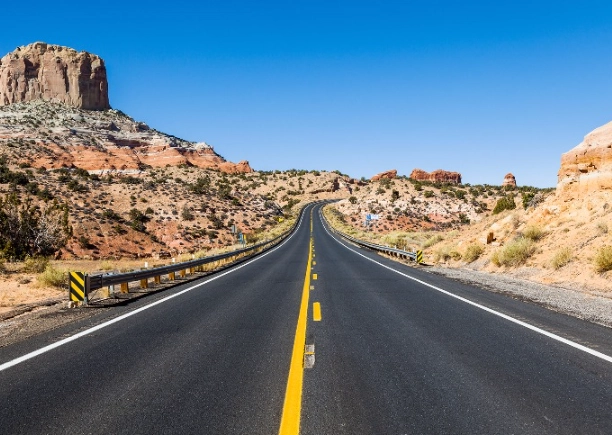
On the Road: Tips to Survive and Thrive
You're packed, you're on the highway. Now what? This is where the philosophy of the trip comes in.
Embrace the Detour. The best parts of my trips have never been the main attraction. It's the weird roadside museum, the local pie shop someone at a gas station recommended, the unmarked dirt road that led to a stunning view. Build in an extra hour or two most days for these.
Don't Over-Schedule Driving. A common mistake is looking at a map and thinking "6 hours is fine." Google Maps doesn't include traffic, construction, time zone changes, or the essential 30-minute stop at a vista point. Aim for no more than 5-6 hours of actual drive time on most days. Otherwise, you'll arrive tired and grumpy.
The Packing List (Beyond Clothes):
- A quality cooler. Saves a fortune on drinks and snacks.
- Reusable water bottles. Fill them at every hotel stop.
- Physical maps or an offline GPS app. Cell service dies in huge swaths of the West. I use a dedicated Garmin GPS as a backup, but offline Google Maps works if you download the areas.
- A basic emergency kit: jumper cables, flashlight, first-aid kit, blanket.
- Entertainment that isn't your phone: Podcast playlists, curated road trip music, audiobooks from the library.
Answering Your Big Questions (FAQ)
Making It Yours: The Final Word
Planning a road trip USA 2 weeks long is a project. It takes research, saving, and a bit of courage. But the reward is the kind of travel that sticks with you forever. It's not just the photos of the Grand Canyon; it's the memory of the silence there. It's not just the Route 66 sign, it's the conversation you had with the old-timer running the gas station in Seligman, Arizona.
Use this guide as your framework. Pick a route that makes your heart beat faster—whether it's for neon signs or red rock cliffs. Crunch the numbers so there are no nasty surprises. Then, pack your bags, fill up the tank, and point the car west (or east, or south).
The open road is the ultimate American cliché for a reason. Because when you're on it, with the world outside your window and the next adventure just down the highway, it feels like anything is possible. And for those two weeks, it is.
Now, go start planning. Your adventure is waiting.



Comments
Leave a Comment