In This Guide
Let's be honest. When you hear "Wind Cave," you probably picture one thing: a dark hole with some wind blowing out of it. Maybe you've seen a photo of the boxwork, that honeycomb-looking rock, and thought it was kind of neat. But is it worth planning a whole trip to South Dakota's Black Hills for? I wondered the same thing before my first visit. I've been to a lot of parks, and sometimes the hype doesn't match the reality.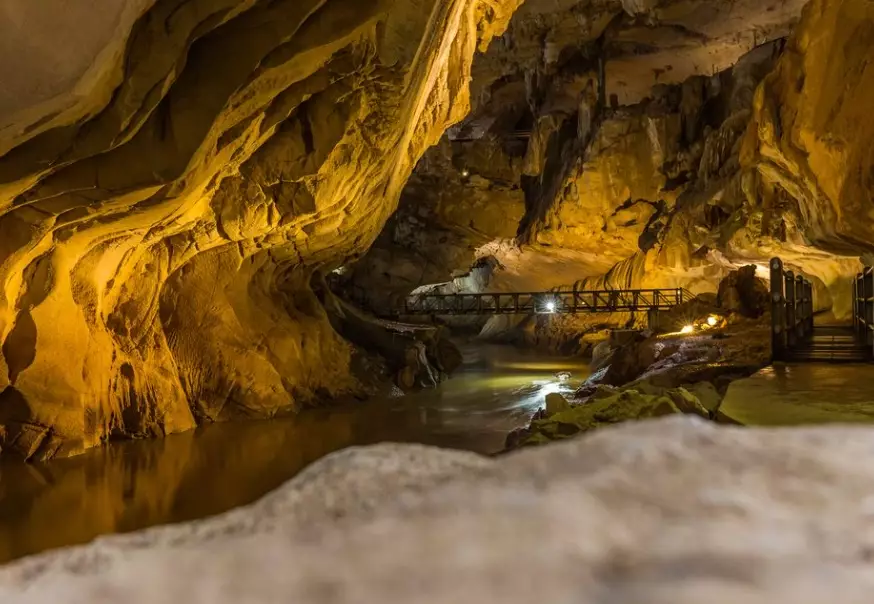
Here's what I found: Wind Cave National Park surprised me. It's not just a cave. It's a split personality kind of place, and most people only see half of it. That's the mistake I almost made. I was so focused on getting a tour ticket for the underground part that I completely overlooked what was happening on the surface—a rolling sea of prairie grass and ponderosa pine forests teeming with bison, elk, and prairie dogs. This guide is what I wish I'd had before I went: a no-nonsense look at what makes Wind Cave special, what's honestly just okay, and how to actually plan a visit you won't regret.
Quick Fact Check: Wind Cave is recognized as one of the world's longest and most complex caves. But more uniquely, it's home to 95% of the world's discovered boxwork formation. That's a claim no other cave on Earth can make. The National Park Service manages it to protect both this incredible underground world and the vital prairie ecosystem above.
What's Down There? A Peek Inside the Cave
The heart of the park is, of course, the cave itself. But calling it a single cave is like calling a maze a straight hallway. It's a sprawling, multi-level labyrinth. The wind that gives the cave its name is caused by atmospheric pressure differences between the cave and the surface. It can suck or blow with surprising force at the natural entrance—a small, unassuming hole that gives zero hint of the grandeur below.
So, what do you actually see on a tour? It's not all dripping stalactites like some fantasy movie. Wind Cave's signature is subtlety and geometry.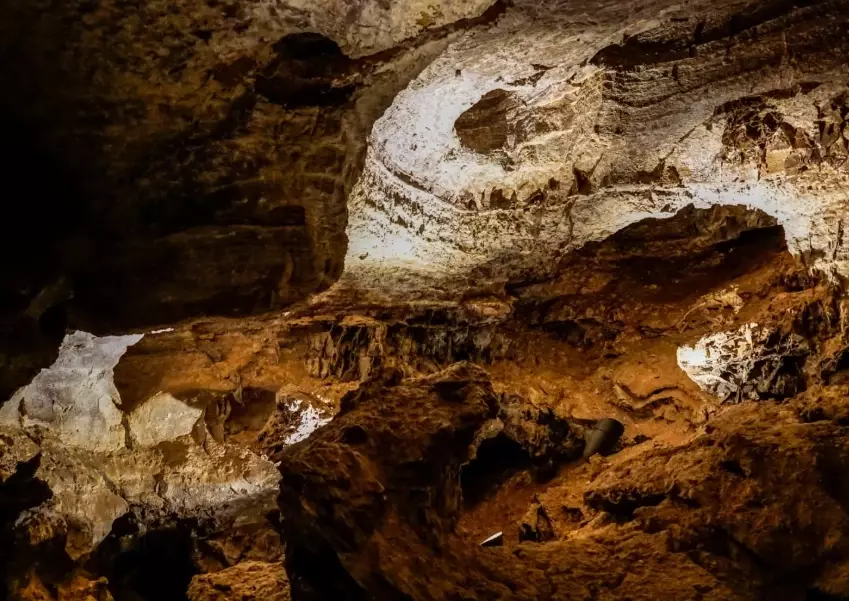
The Rock Star Formations (And The Less Exciting Ones)
Everyone talks about the boxwork. And for good reason. It's breathtaking. Imagine intricate, thin blades of calcite projecting from the cave walls and ceilings, forming a perfect, fragile-looking honeycomb or web. It shimmers in the flashlight beams. It feels ancient and otherworldly. This is what makes Wind Cave geologically unique.
They also have popcorn (little knobby deposits), frostwork (delicate, needle-like crystals), and flowstone. Honestly, after the boxwork, the other formations are interesting but not mind-blowing if you've been to other decorated caves. The beauty here is in the sheer complexity of the passages and the rarity of the boxwork.
Choosing Your Wind Cave Tour: A Brutally Honest Breakdown
This is the most important decision you'll make. Book in advance online. I mean it. The Recreation.gov website is your best friend. Tours sell out, especially in summer. The park offers a few different tours, and they are not created equal.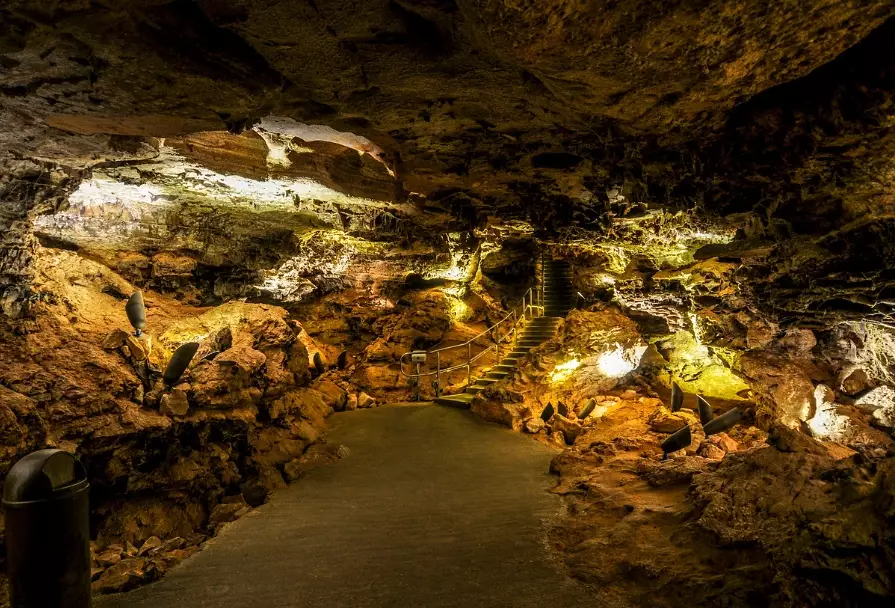
| Tour Name | Duration & Distance | What You'll See & Do | Who It's Best For | The Downside |
|---|---|---|---|---|
| Garden of Eden Tour | 1 hr, 0.25 miles | Classic introduction. Easy paved walkways, some boxwork, flowstone, and the "Garden of Eden" formation. | First-timers, families with young kids, anyone with mobility concerns. The most accessible option. | It feels short. You get a taste, but not the full, wild complexity of the cave. Can feel a bit crowded. |
| Natural Entrance Tour | 1.25 hrs, 0.5 miles | Enter through the historic, windy natural entrance. Descend 300+ stairs, see extensive boxwork displays. | Most visitors. Offers the classic experience and the best overall variety. Good physical challenge. | It's mostly downhill, but those stairs are no joke on the knees. Not for those afraid of confined spaces or lots of stairs. |
| Fairgrounds Tour | 1.5 hrs, 0.5 miles | Uses the elevator down. Focuses on large, open rooms (like the "Fairgrounds") with panoramic views of formations. | People who want to see the "big rooms" and avoid the stair descent. Still involves stairs within the cave. | You miss the drama of entering via the natural entrance. Can feel less adventurous. |
| Candlelight Tour (Seasonal) | 2 hrs, 0.5 miles | Experience the cave as early explorers did—with only candlelight. Visits undeveloped, dusty sections. | Adventure seekers, history buffs. A raw, authentic, and slightly spooky experience. | Very physically demanding (crawling, tight squeezes). Not for the claustrophobic. Books up months in advance. |
| Wild Cave Tour (Seasonal) | 4+ hrs, 0.5+ miles | Full-on caving. Crawling, climbing, squeezing through unmapped passages. Full gear provided. | Extreme adventurers in great shape who want the ultimate caving challenge. | Extremely strenuous and dirty. Requires a medical form and has age/weight restrictions. |
My take? If you can handle the stairs, the Natural Entrance Tour is the gold standard. You get the story, the wind, the descent into the earth, and plenty of wow moments. The Garden of Eden tour is fine, but it's like only reading the first chapter of a great book.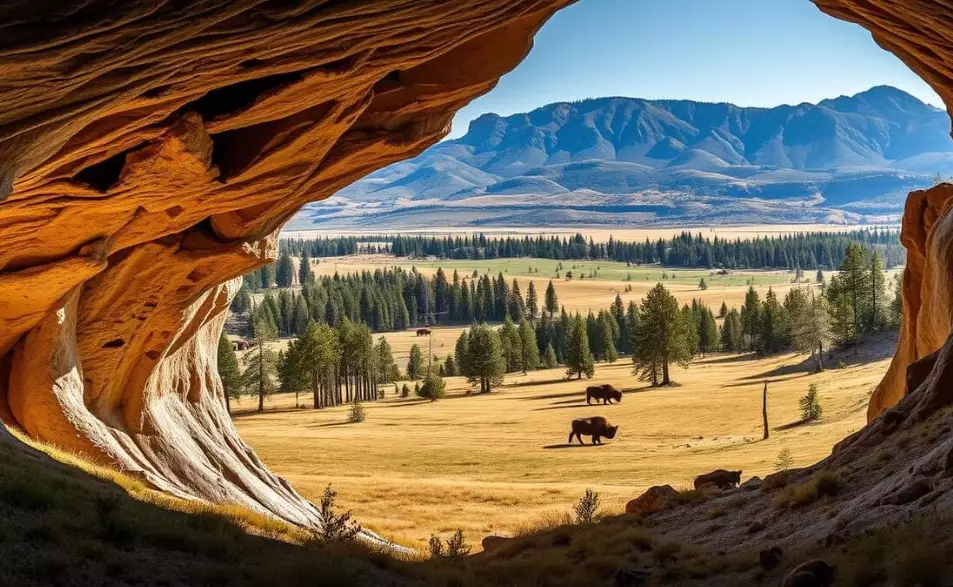
Pro Tip from a Rookie Mistake: The cave is a constant 53°F (11.5°C) year-round. That sounds cool in summer, but after 5 minutes, it feels cold. I wore shorts and a t-shirt and spent the first half of the tour shivering. Bring a jacket. A real one. Not a flimsy windbreaker.
The Part Everyone Forgets: The Amazing World Above Ground
This is the biggest surprise of Wind Cave National Park. You drive in, get your cave ticket, and think the park is just the visitor center area. Wrong.
Look at a map. The cave is a tiny dot under a vast landscape. The park protects over 33,000 acres of mixed-grass prairie and forest. It's one of the last remaining intact ecosystems of its kind. And the wildlife viewing is, in my opinion, some of the most reliable and accessible in the entire Black Hills region.
Where to Spot Wildlife (Safely!)
You will almost certainly see bison. Not far-off dots, but herds right next to the road. The park is home to several hundred. Then there are the prairie dog towns—bustling, squeaking cities that are endlessly entertaining to watch. Elk, mule deer, and coyotes are also common.
A reminder that feels necessary: these are wild animals.
I saw a family get out of their car to take a selfie about 50 feet from a massive bull bison. Rangers had to intervene. It was terrifying and stupid. Use your zoom lens, stay in your vehicle if they're near the road, and always give them an absurd amount of space. The NPS safety page isn't kidding around.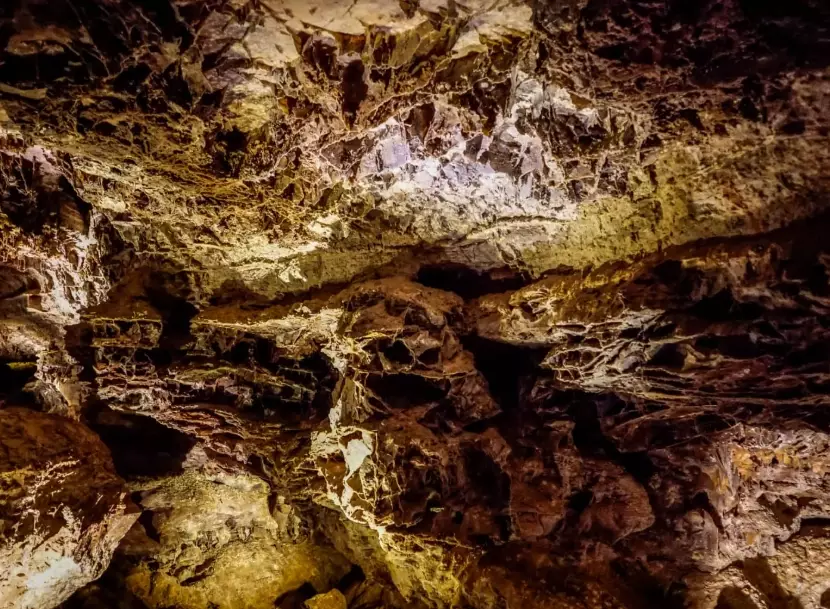
Hiking Trails That Are Actually Worth It
If you just do the cave and leave, you've missed half the park. The hiking up here is serene, beautiful, and offers a completely different perspective.
- Lookout Point Trail & Centennial Trail Loop: This was my favorite. It's about a 3-mile loop that starts near the visitor center. You get panoramic prairie views, dip into a canyon with ponderosa pines, and have a great chance of seeing wildlife. It's the perfect above-ground counterpart to the cave.
- Prairie Vista Trail: A short, easy 1.5-mile loop right near the visitor center. Perfect for stretching your legs and learning about the prairie plants from the interpretive signs. Great for families or if you're short on time.
- East Bison Flats Trail: For the more ambitious. It's a 5-mile one-way trail (you can do shorter sections) that plunges you into the heart of the prairie. You feel tiny out there. Bring sun protection and more water than you think you need—there's zero shade.
Hiking here isn't about dramatic mountain peaks. It's about quiet, vast spaces, the sound of the wind in the grass, and the feeling of being in a living, breathing ecosystem.
The Million-Dollar Question: Wind Cave vs. Jewel Cave?
If you're planning a Black Hills trip, this question is inevitable. They're only about 30 minutes apart. Can you do both? Should you?
Having been to both, here's my blunt comparison. Jewel Cave National Monument feels more like a traditional "show cave." The formations are spectacular—dense coatings of calcite crystals that sparkle like jewels (hence the name). It has some of the most visually stunning dripstone decorations (stalactites, stalagmites) I've seen. The tours often involve an elevator ride down and focus on these ornate rooms.
Wind Cave National Park is about subtlety, complexity, and rarity. The boxwork is its crown jewel (pun unintended), but it won't glitter at you. It's more about the maze, the geology, and the combined above-and-below-ground experience.
My Opinion: If you only have time for one and want "pretty" cave decorations, choose Jewel Cave. If you want a more unique geological wonder combined with a fantastic above-ground wildlife and hiking experience, choose Wind Cave National Park. For the ultimate cave enthusiast, doing both highlights how incredibly diverse karst systems can be.
Planning Your Visit: The Nitty-Gritty Details
When to Go and How Long to Stay
Summer (June-August) is peak. It's busy, tours sell out, and the prairie can be hot. But everything is open. Spring (May) and Fall (September-October) are absolute gems. Fewer crowds, cool hiking weather, and the prairie is either blooming or golden. Winter is quiet; only the Garden of Eden tour runs, weather permitting, but the cross-country skiing and snowshoeing on the prairie can be magical.
How long? A bare minimum is half a day: one cave tour and one short hike or scenic drive. To do it justice and not feel rushed, plan a full day. If you're a serious hiker or want to do multiple cave tours, you could easily fill two days.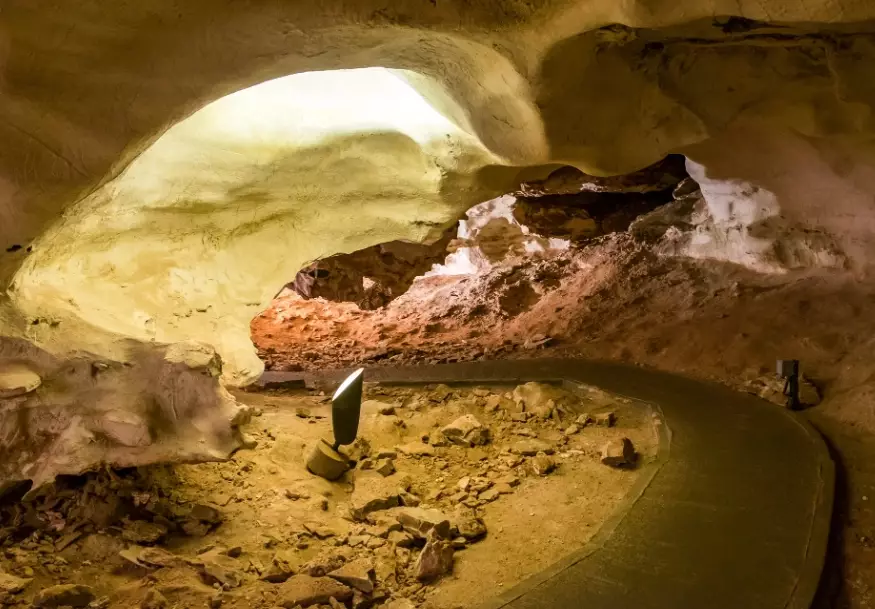
Getting There, Staying There
The park is about an hour south of Rapid City, SD. The town of Hot Springs, about 10 minutes south of the park, is a charming place to stay or grab a meal. It has historic sandstone architecture and, true to its name, warm springs you can swim in. Inside the park, there are no hotels, but there is the Elk Mountain Campground. It's first-come, first-served, often fills by afternoon in summer, but it's a lovely, quiet campground with pit toilets and drinking water. No RV hookups.
I stayed in Custer, about a 30-minute drive north, which is a great central hub for exploring the whole Black Hills (Mount Rushmore, Custer State Park).
Wait, I still have questions...
Wrapping It Up: Why Wind Cave Earns Its Park Status
Wind Cave National Park challenges the definition of a park. It asks you to look down, and then immediately asks you to look around. It's a package deal. The cave alone is a world-class wonder because of the boxwork. The prairie alone is a precious and disappearing ecosystem. Together, they create a destination with remarkable depth.
It doesn't have the instant iconic recognition of a Yellowstone or a Grand Canyon. Its beauty is quieter, its wonders more intricate. You have to pay attention. You have to take the tour, walk the trail, and sit quietly for a moment on a prairie hilltop.
That's when you get it.
You realize you're standing on top of a hidden, maze-like world, while all around you, bison graze and prairie dogs call. It's a connection of worlds—the deep geologic past and the vibrant, living present—that few places on Earth make so tangible. That's the real magic of Wind Cave. Don't miss half of it.


Comments
Leave a Comment