- First Things First: What Exactly Is the Art Institute of Chicago?
- The Non-Negotiables: Art You Simply Can't Miss
- The Nitty-Gritty: Tickets, Hours, and Getting There
- Crafting Your Perfect Visit: A Game Plan
- Beyond the Art: Food, Souvenirs, and Breaks
- Common Questions (The Stuff You're Actually Wondering)
- Final Thoughts and One Minor Gripe
I remember the first time I walked into the Art Institute of Chicago. It was a grey Tuesday in March, and honestly, I was just trying to get out of the rain. I figured I'd kill an hour, see a famous painting or two, and call it a day. Five hours later, my feet were killing me, I'd forgotten about lunch, and I was completely, utterly lost in the best way possible. I wasn't just in a museum; I was time-traveling through centuries of human creativity, from quiet Japanese scrolls to paintings so big they felt like they could swallow you whole. That's the thing about the Art Institute—it has a way of surprising you.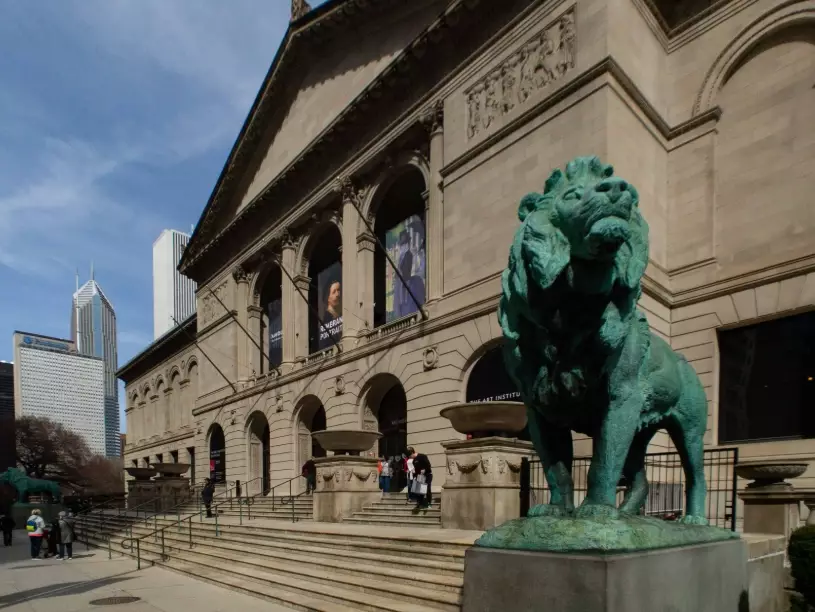
If you're reading this, you're probably thinking about going. Maybe you're planning a trip to Chicago and it's on your list. Maybe you're an art lover looking for the deep cuts. Or maybe you're just curious about what all the fuss is about. Let's talk about it. This isn't a dry, academic overview. Consider this your chatty, opinionated friend who's been there too many times, giving you the real scoop on how to tackle one of the best art museums in the world.
First Things First: What Exactly Is the Art Institute of Chicago?
Let's clear something up. It's not just "that museum with the lions" (though yes, the two majestic bronze lions guarding the entrance on Michigan Avenue are iconic). Founded in 1879, the Art Institute has grown from a fine arts school into a behemoth of a museum. We're talking about over 300,000 works of art. Wrap your head around that number for a second. You couldn't see it all in a week if you tried.
Its collection is famously broad. Think of it as the ultimate buffet: you've got your European masters (van Gogh, Monet, Seurat), your iconic American works (Wood, Hopper), incredible Asian art, ancient artifacts, stunning photography, mind-bending modern and contemporary pieces, and arms and armor that look like they're from a movie set. The building itself is a mix of the grand, classical structure from the 1893 World's Columbian Exposition and the sleek, modern wing designed by Renzo Piano, which opened in 2009. Walking from one to the other feels like stepping between centuries.
So, you're not just visiting a museum. You're navigating a cultural universe.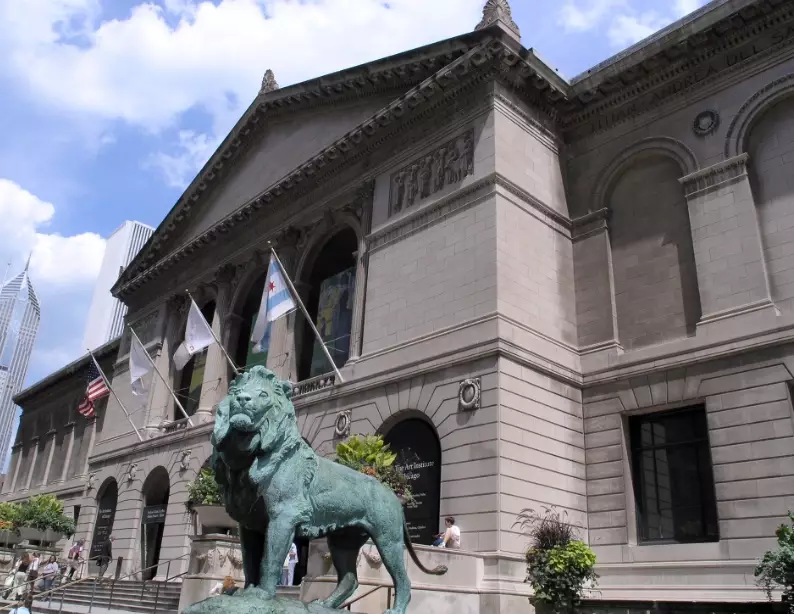
The Non-Negotiables: Art You Simply Can't Miss
Alright, let's get to the meat of it. You walk in, you get your ticket, and you're faced with a maze of galleries. Where do you even start? If your time is limited (and let's be real, it always is), you need a game plan. These are the pieces that have earned their reputation. They're popular for a reason, and seeing them in person is a different beast entirely than seeing them in a book.
American Gothic by Grant Wood
It's smaller than you think. That's the first thing everyone says. This 1930 portrait of a stern farmer and his daughter (often mistaken for his wife) has been parodied to death, but standing in front of the original is a strangely solemn experience. The level of detail in the man's overalls, the woman's apron, and the Gothic window of their farmhouse is incredible. You can feel the dust of the Depression era. It's in the American Art wing, and there's usually a small crowd, but it moves quickly. Worth a quiet moment of contemplation.
A Sunday on La Grande Jatte by Georges Seurat
This is the one that will stop you in your tracks. It's massive—about 7 feet by 10 feet—and it dominates the room. Seurat's pointillist technique, where the entire image is made up of tiny dots of color, is mind-boggling up close. Stand back, and the Parisian park scene comes to life with an almost dreamlike glow. The scale and the patience required are just absurd. Pro tip: Look for the hidden animals and the slightly eerie, still figures. It's weirder and more wonderful the longer you look.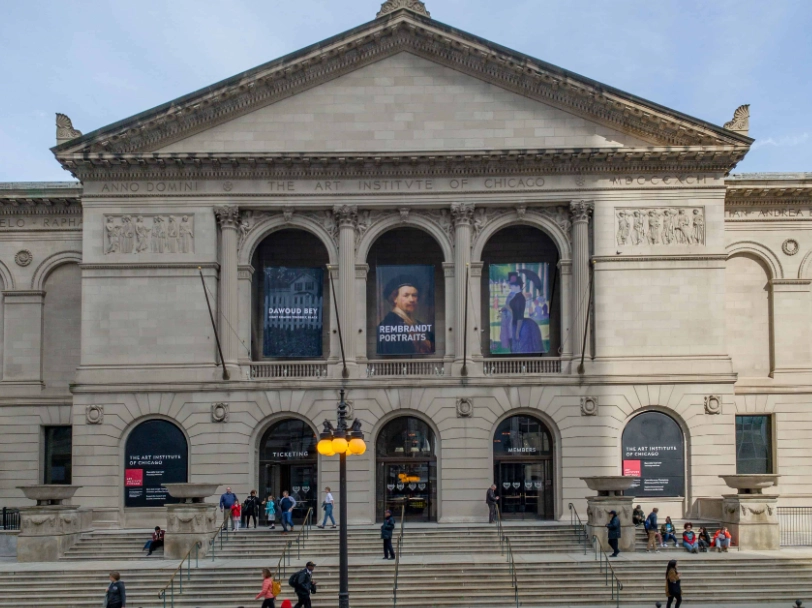
Nighthawks by Edward Hopper
The loneliness is palpable. Hopper's masterpiece of a late-night diner is a masterclass in mood, light, and isolation. The fluorescent glow, the empty streets, the customers lost in their own worlds... it's a perfect, quiet American moment frozen in time. It's one of those paintings that feels deeply familiar, even if you've never seen it before. It often draws a crowd, but people tend to be respectfully quiet around it, which adds to the atmosphere.
My Personal Deep-Cut Favorite
While everyone crowds around the big names, sneak into Gallery 201 for "The Bedroom" by Vincent van Gogh. There are actually three versions of this painting in the world, and the Art Institute has one. The colors are vibrant and slightly unsettling, and you can see the thick, frantic texture of the paint. It feels more personal and raw than some of his sunflowers. A quieter, more intimate encounter with genius.
Beyond these headliners, keep an eye out for Marc Chagall's "America Windows," a stunning blue stained-glass masterpiece, and the breathtaking Thorne Miniature Rooms—68 incredibly detailed, historically accurate miniature rooms that are weirdly captivating. And that's just scratching the surface of the main building. The Modern Wing houses giants like Picasso, Mondrian, and Warhol.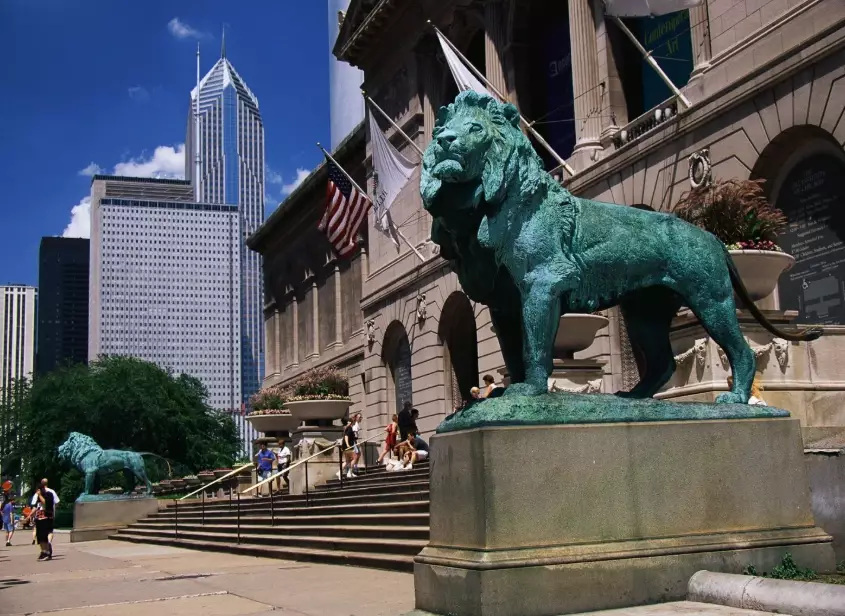
The Nitty-Gritty: Tickets, Hours, and Getting There
Let's talk logistics. This is where a lot of guides just list facts, but I've learned the hard way what actually matters when you're trying to plan your day.
The museum's official address is 111 South Michigan Avenue. It's right in the heart of downtown, in Grant Park. If you're coming from out of town, it's incredibly easy to reach via the CTA 'L' trains (get off at Adams/Wabash) or countless buses. Driving? I wouldn't recommend it unless you're ready to pay for downtown parking, which is its own special kind of expensive headache.
Now, about tickets. The Art Institute of Chicago is not a "pay-what-you-wish" museum for general admission, unlike some others in the city. You need to buy a timed-entry ticket. This is actually a good thing—it controls crowds.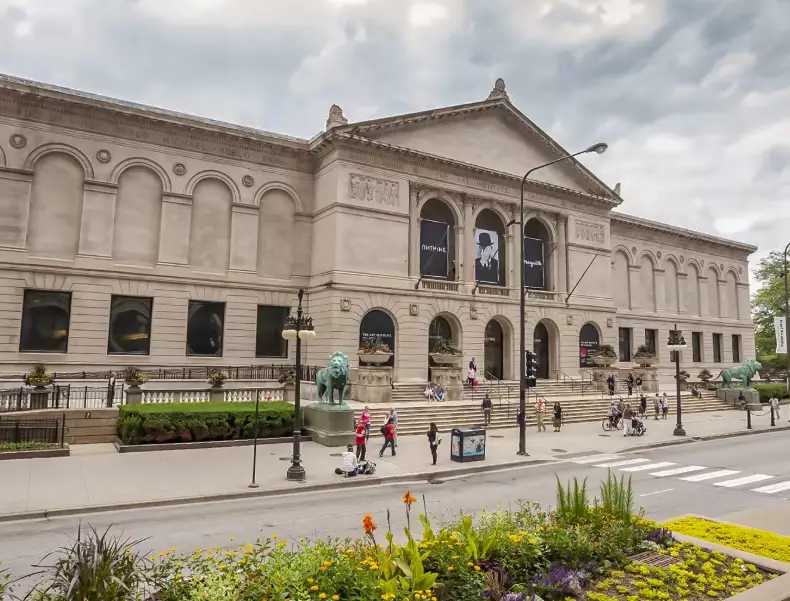
| Ticket Type | Price (General Adult) | What's Included & Notes |
|---|---|---|
| General Admission | $32 | Access to all permanent collections and most special exhibitions. The standard ticket. |
| Chicago Resident Discount | $22 | Proof of Chicago residency required (ID with zip code). A great perk for locals. |
| Illinois Resident Discount | $26 | Proof of Illinois residency required. Saves you a few bucks. |
| Free Admission Days | $0 | For Illinois residents only. Occur on select weekdays. VERY crowded. |
My strong advice? Buy your tickets online in advance. I've seen too many people stuck in a long line at the ticket counter while those with pre-purchased tickets waltz right in. It guarantees your entry time, especially crucial on weekends and in the summer. You can buy them directly from the official Art Institute of Chicago website, which is the most reliable source.
Hours: They vary. Generally, it's 11 am–5 pm most days, with extended hours until 8 pm on Thursdays. It's closed on Thanksgiving, Christmas, and New Year's Day. Always, always check the website for the most current hours before you go. Nothing worse than showing up to closed doors.
Thursday evenings are a secret weapon. Fewer families, a more relaxed vibe, and you can see art after work.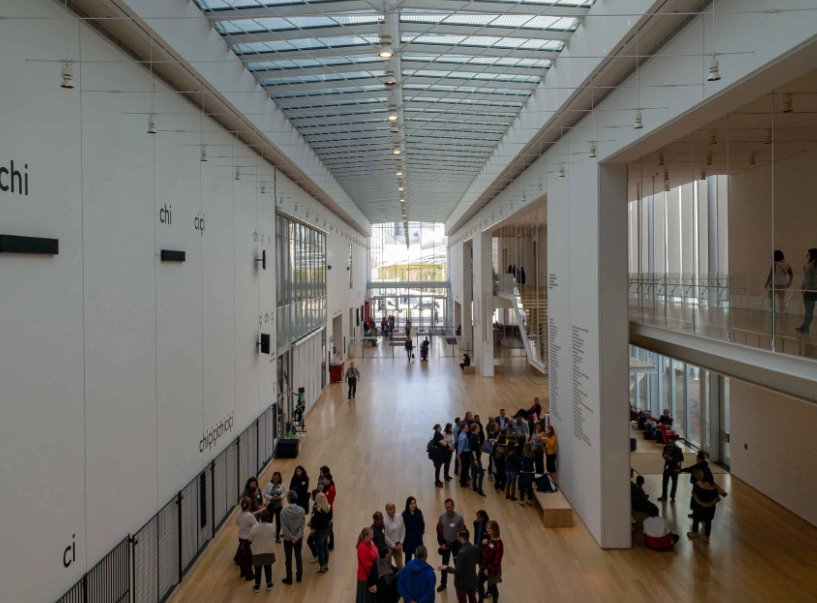
Crafting Your Perfect Visit: A Game Plan
You've got your ticket. You know what you want to see. How do you actually do it without ending up with museum fatigue (a very real condition) by 2 PM?
Timing is Everything
The best time to visit the Art Institute of Chicago is, without a doubt, a weekday morning. The doors open at 11 am. If you can get there for opening, you'll have a good hour or two of relative peace before the midday crowds hit. Saturdays are the busiest. Sundays can be busy too. If you can only go on a weekend, aim for Sunday morning or consider the Thursday evening extended hours.
How Long Do You Need?
This is the million-dollar question. A quick highlights tour can be done in 2–3 hours. That'll let you hit the absolute masterpieces and get a feel for the place. A more comfortable, enjoyable visit where you can explore a few areas in depth? Plan for 4–5 hours. If you're a true art fanatic who wants to read plaques and get lost in the prints and drawings department, you could easily spend a full day or come back for a second visit. Don't try to see everything. You'll go mad.
A Suggested Route for First-Timers
Here’s what I usually recommend to friends:
- Start in the Modern Wing (Enter from Monroe Street). It's often less crowded first thing in the morning. Take the escalator up to the third floor for contemporary art and amazing views of Millennium Park from the Bluhm Family Terrace.
- Cross the bridge. There's a beautiful, light-filled bridge on the second floor that connects the Modern Wing to the main building. It's an experience in itself.
- Hit the European Art. Once in the main building, make your way to the second-floor galleries for Impressionism and Post-Impressionism. Find Seurat, van Gogh, Monet, and Cézanne.
- Descend to the first floor for American Art. This is where you'll find American Gothic and Nighthawks.
- Pick one "deep dive" area. Depending on your interest, choose one: the Asian art collection (serene and sprawling), the arms and armor (cool and dramatic), or the Thorne Miniature Rooms (quirky and fascinating).
Beyond the Art: Food, Souvenirs, and Breaks
Let's be human. You will get tired. You will get hungry. Ignoring this is a recipe for a grumpy, art-hating experience.
The museum has several dining options. The Terzo Piano in the Modern Wing is a nice, sit-down restaurant with great views (and prices to match). Museum Cafe is a more casual cafeteria-style option with sandwiches and salads. For a quick coffee and pastry, there are smaller kiosks. My personal move? I often plan to have a late lunch at the cafe around 2 pm, after the main lunch rush. It's a perfect forced break.
The gift shops, especially the main one near the Michigan Avenue entrance, are fantastic. Yes, they have the obligatory postcards and magnets, but they also have beautiful art books, high-quality prints, and unique jewelry inspired by the collection. It's a great place to find a meaningful souvenir.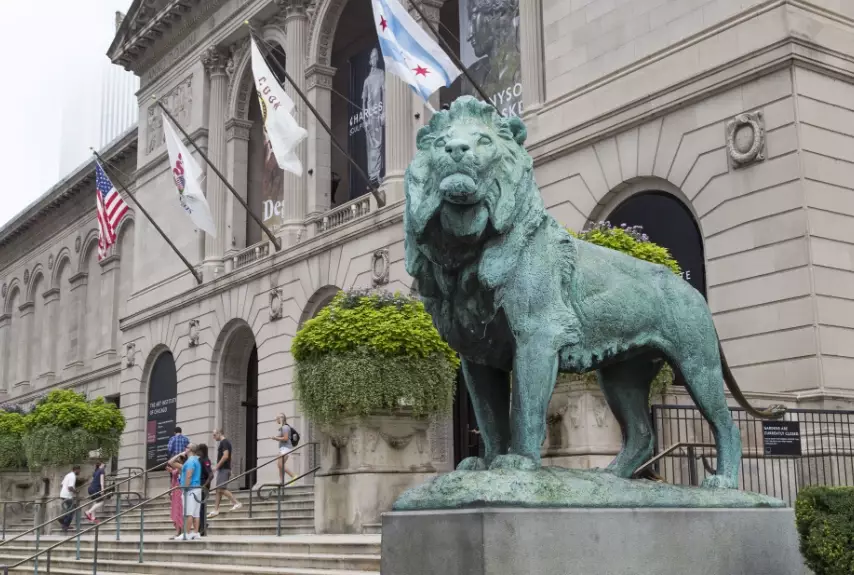
Don't be a hero. Sit down. Have a coffee. Your feet will thank you, and the art will look better after a break.
Common Questions (The Stuff You're Actually Wondering)
Final Thoughts and One Minor Gripe
Visiting the Art Institute of Chicago is one of the best things you can do in the Midwest, full stop. It's a world-class institution that manages to feel both awe-inspiring and, on a good day, surprisingly intimate. The quality and depth of the collection are staggering.
My one small complaint? The signage within the galleries can sometimes be a bit confusing. You might find yourself circling back trying to find a specific room. My advice is to not be afraid to use the map liberally or just ask a guard. They're usually friendly and knowledgeable.
Ultimately, the goal isn't to check off a list. It's to have an experience. Let yourself get lost down a hallway of medieval tapestries. Spend twenty minutes with a painting that speaks to you, even if you've never heard of the artist. Sit in the courtyard and just absorb the fact that you're surrounded by so much beauty and history.
The lions out front aren't just for show. They symbolize the strength and pride of this city and its dedication to art. Walk between them, step inside, and prepare to be surprised. Just remember to wear comfortable shoes.






Comments
Leave a Comment