Let's cut to the chase. You have two weeks of vacation and a dream of hitting the open American road. You want the iconic sights, the vast landscapes, and the freedom that only a road trip can provide, all without feeling like you're just racing from one photo op to the next. A 14-day journey is the sweet spot—long enough to cover serious ground, short enough that you can't afford to waste a day. The classic coast-to-coast route, with some smart tweaks, remains the king of American road trips for a reason. It delivers a perfect sampler platter of what makes this country so diverse and captivating.
Your Road Trip Blueprint: Jump to a Section
The Day-by-Day Coast-to-Coast Itinerary
This isn't just a list of cities. It's a paced, tested route that balances driving with experiencing. We're starting in San Francisco and ending in New York City, hitting the highlights and a few spots most people speed past. The average drive time is 4-6 hours between major stops, leaving you plenty of daylight to explore.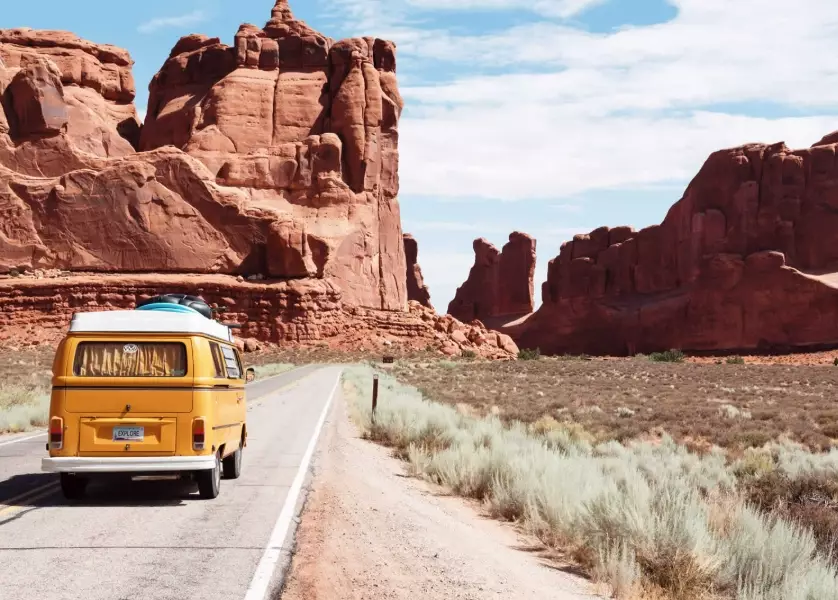
Days 1-3: San Francisco & The Pacific Coast
Fly into San Francisco International (SFO). Don't try to see everything in three days—you'll exhaust yourself. Pick a neighborhood like North Beach or the Mission to stay in. Walk across the Golden Gate Bridge (it's free, parking is tricky near the south side), get lost in Chinatown, and ride a cable car. On Day 3, pick up your rental car and drive south on Highway 1. Your goal: Big Sur. Stop at Half Moon Bay, Santa Cruz, and the Monterey Bay Aquarium if you have time. Spend the night in Carmel-by-the-Sea or at one of the rustic lodges in Big Sur like the Big Sur River Inn. The views here are the postcard you came for.
Days 4-5: Yosemite National Park
This is a big driving day inland (about 4.5 hours). You need a reservation to drive into Yosemite during peak season (roughly May-September). Book this the moment your trip dates are set via Recreation.gov. Stay in the park if you can (Yosemite Valley Lodge, Curry Village) or just outside in El Portal. One full day in Yosemite: see Tunnel View, walk the easy trail to Lower Yosemite Fall, and drive up to Glacier Point for the panoramic vista. That's enough to feel its majesty. Trying to hike Half Dome in this timeline is a recipe for misery.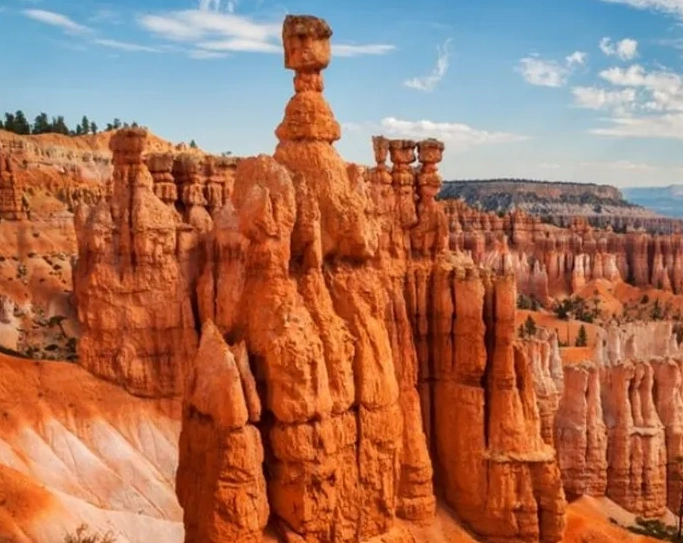
Days 6-7: Las Vegas & Route 66 Detour
Drive from Yosemite to Las Vegas (about 6 hours). Vegas isn't just for gambling. It's a spectacle and a perfect reset. Stay on the Strip for the experience—hotels like The Cosmopolitan or Park MGM offer good mid-range value. See a show, wander the Bellagio fountains, and have a ridiculous buffet. On Day 7, instead of blasting straight to the Grand Canyon, take a 2-hour detour south to the Hoover Dam, then head east on the historic Route 66 through Kingman, Arizona. Stop at Hackberry General Store for that classic roadside Americana vibe. It feels more real than many preserved "towns."
Days 8-9: Grand Canyon National Park (South Rim)
You'll arrive at the South Rim by afternoon. The Grand Canyon doesn't do subtle. Park at the Visitor Center, take the free shuttle along the Hermit Road (closed to private cars most of the year), and just stare. Hike a bit of the Bright Angel Trail down, but remember: going down is optional, coming up is mandatory. Stay in Tusayan, just outside the park gate, for more lodging and dining options. The next morning, catch sunrise at Mather Point before driving toward Monument Valley.
Days 10-11: Monument Valley & The Southwest
The drive from the Grand Canyon to Monument Valley is around 2.5 hours. Monument Valley is on Navajo Nation land. You can pay a fee to drive the 17-mile dirt loop road yourself (high clearance vehicle recommended) or book a guided jeep tour for deeper access and stories. The view from the visitor center is iconic. Then, push on to Moab, Utah (another 2.5 hours). Moab is your base for Arches National Park. You need a timed entry ticket for Arches. Book it online. A sunset hike to Delicate Arch is non-negotiable.
Days 12-14: Rockies to The Big Apple
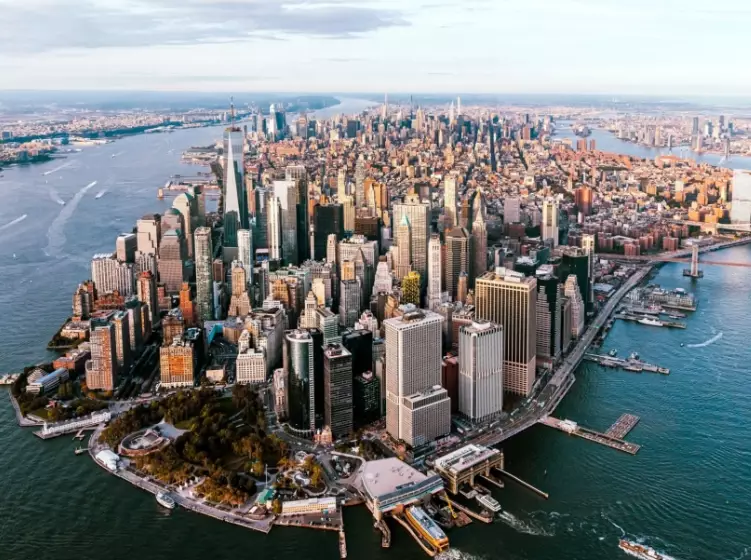
This is the long haul. Drive from Moab to Denver (about 5.5 hours). Denver is a breather—a cool, walkable city. Then, you have a choice. The direct route to NYC is a brutal two-day drive. My strong recommendation? Drop your rental car in Denver and fly to New York. The one-way drop fee for a coast-to-coast rental is often astronomical ($500+), and you'll burn two precious days just driving through Kansas and Ohio. Use those days in New York. See a Broadway show, walk the High Line, and get a slice of pizza. You've earned it.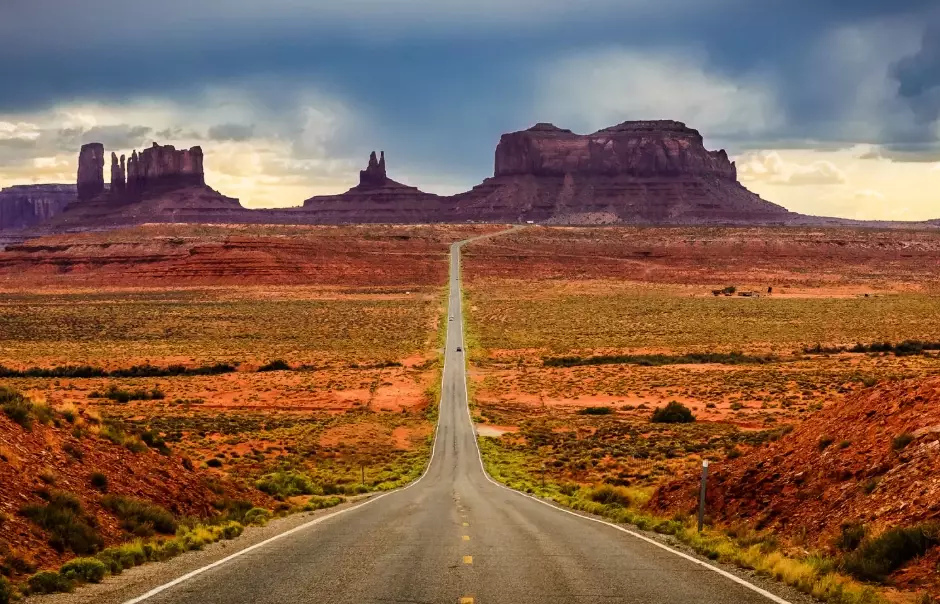
Pro Tip: The Rental Car Hack
Booking a one-way rental from San Francisco to New York is the most expensive way to do this. Price out these alternatives: 1) SF to Denver drop-off, then fly. 2) A "loop" trip flying in/out of Las Vegas, doing a Southwest circle (Grand Canyon, Zion, Bryce, back to Vegas). Often, returning the car to the same city saves enough money to cover your internal flight.
How to Plan Your Two-Week Road Trip Budget & Logistics
Let's talk numbers. A trip like this for two people isn't cheap, but it's manageable with planning. The biggest costs are the rental car and fuel, followed by lodging.
| Expense Category | Estimated Cost (for 2 people) | Notes & Money-Saving Tips |
|---|---|---|
| Rental Car & Gas | $1,200 - $2,000 | Varies wildly by season, car type, and one-way fee. Book 3-6 months out. Use an intermediate SUV for comfort and cargo space. Gas will be $400-$600 for ~2,500 miles. |
| Lodging | $1,500 - $2,500 | Aim for a mix: 2-3 splurge nights (Vegas, SF), more budget motels (clean chains like La Quinta), and maybe one Airbnb. Book national park lodges a year in advance. |
| Food & Drink | $800 - $1,200 | Do breakfast from a grocery store, picnic lunches at scenic pull-offs, and sit-down dinners. This saves hours and money. |
| Activities & Parks | $300 - $500 | Buy the America the Beautiful Annual Pass ($80). It covers entrance fees at all national parks on this itinerary (Yosemite, Grand Canyon, Arches) and pays for itself after 2-3 parks. |
| Flights (Internal & to/from USA) | Variable | Consider open-jaw tickets: fly into SFO, out of JFK (or DEN). Use flight comparison tools and be flexible on dates. |
The biggest mistake I see? People don't budget for the parking fees in major cities ($50/day in SF) or the resort fees in Vegas (an extra $40/night on top of your room rate). Call it the hidden tax of convenience.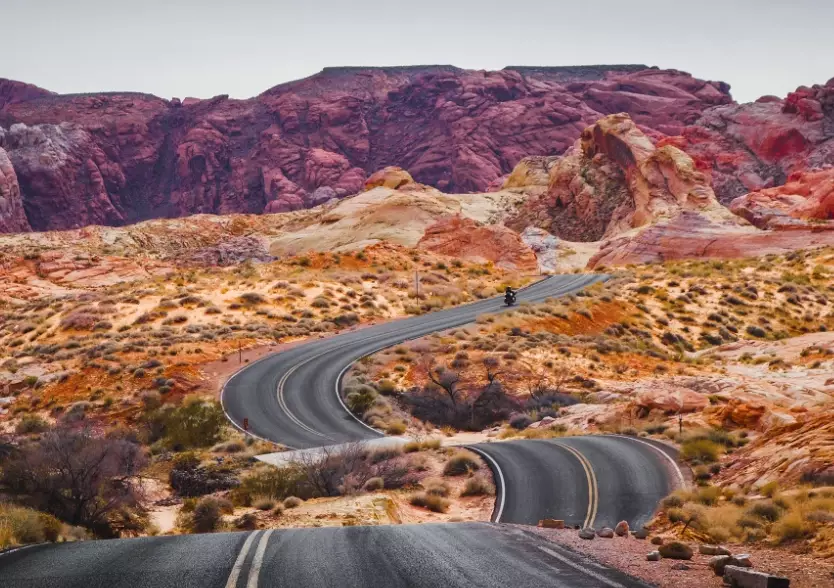
What Are the Often-Overlooked Road Trip Essentials?
Beyond your clothes and toiletries, these items will save your sanity.
- A Quality Cooler: Not a flimsy styrofoam one. A hard-sided cooler for water, snacks, and lunch supplies. It cuts down on stops and waste.
- Physical Maps & Offline GPS: Cell service dies in national parks and vast stretches of desert. Download offline Google Maps areas for your entire route. A paper road atlas (like from AAA) is a reliable backup.
- National Park Pass: I mentioned it, but it's worth repeating. Get it online before you go.
- Comfort Kit: Neck pillow, eye mask, a lightweight blanket. The passenger needs to recover while the other drives.
- Entertainment That Isn't Your Phone: Download podcasts, audiobooks, and playlists. Satellite radio is a great rental car upgrade. A book of road games for passengers.
- A Basic Tool Kit & Tire Gauge: Rental cars can have low tires. Knowing how to check and fill them (most gas stations have air) is a basic skill.
Pack layers. The temperature swing between a San Francisco morning and a Yosemite afternoon, or a Las Vegas night and a Grand Canyon dawn, can be 40 degrees Fahrenheit.



Comments
Leave a Comment