Explore the Guide
- Getting Your Bearings: Skyline Drive and the Lay of the Land
- Where to Lace Up Your Boots: The Best Hikes in Shenandoah
- When to Visit: A Season-by-Season Breakdown
- Where to Stay: Lodging and Camping In and Near the Park
- Answers to the Questions You're Actually Asking (FAQ)
- Wrapping It Up: Making Your Shenandoah Trip Your Own
Let's be honest. For a lot of people, a trip to Shenandoah National Park means one thing: driving Skyline Drive. You roll down the windows, maybe pop in a CD (do people still do that?), and cruise for a couple of hours, stopping at the big overlooks. It's beautiful, don't get me wrong. The views across the Blue Ridge Mountains are the kind that make you forget to check your phone.
But if that's all you do, you're missing it. You're missing the quiet. The crunch of leaves under your boots on a trail that goes somewhere. The shock of cold spray from a hidden waterfall you had to hike two miles to find. The park's real magic isn't just what you see from your car window; it's what you find when you turn the engine off and start walking.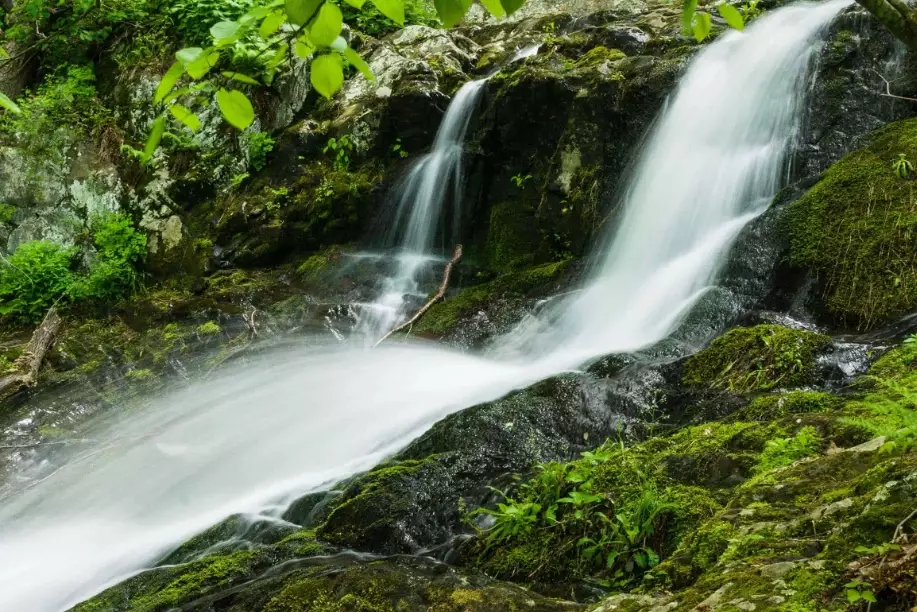
I learned that the hard way. My first visit was a classic windshield tour. Got the sticker, saw the sights, left. It felt... fine. Pleasant. It wasn't until a later trip, when a friend dragged me onto the Whiteoak Canyon trail, that the place clicked. We were sweaty, a bit lost (my fault), and then we rounded a corner to this cascade of water tumbling down mossy rocks. There were maybe two other people there. That felt real. That felt like Shenandoah.
So this guide? It's not just a list of mile markers and overlook names. It's about how to actually experience Shenandoah National Park. We'll talk about the drive, sure—it's iconic for a reason. But we'll dig deeper into the trails, the seasons, the practical stuff that trips people up, and how to find those moments of quiet wonder away from the crowded pull-offs.
Getting Your Bearings: Skyline Drive and the Lay of the Land
Before you dive into the trails, you gotta understand the layout. Think of Shenandoah National Park as a long, green backbone. Skyline Drive runs right down the middle, from north to south. It's not a highway; the speed limit is 35 mph, and you should really take it slow. This isn't a road for getting somewhere fast. It's the destination.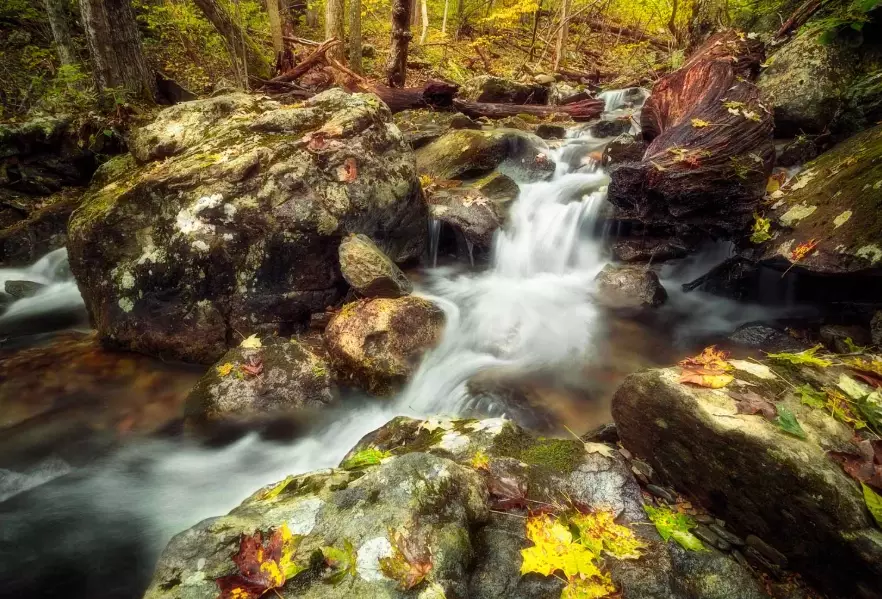
The park is divided into three main sections, marked by entrance stations. From north to south:
- Front Royal (Mile 0): The northern gateway. This is the quickest entrance from I-66 and the D.C. area. The terrain here is a bit lower and can feel more accessible right away.
- Thornton Gap (Mile 31.5): Accessed via U.S. 211. This is a central entry point and gets you close to some classic hikes like Mary's Rock.
- Swift Run Gap (Mile 65.5): On U.S. 33. A good central-east entrance.
- Rockfish Gap (Mile 105): The southern terminus. This is where Skyline Drive ends and the famous Blue Ridge Parkway begins, heading south to Great Smoky Mountains National Park. The big visitor center, the Byrd Visitor Center, is near here at Big Meadows (Mile 51).
You pay the entrance fee at these stations. The current fees are on the official National Park Service website for Shenandoah. A tip? If you visit more than a couple of national parks a year, just get the America the Beautiful Pass. It pays for itself.
Now, about that drive. It's winding. It has tunnels. It's often foggy, especially in the morning and evening. You will get stuck behind a slow-moving RV or someone terrified of the curves. Patience is part of the kit. The overlooks are all on the west side of the road (your right if you're driving south), designed to give you that epic, valley-spanning view. Some are just quick pull-offs, others have small parking lots.
Where to Lace Up Your Boots: The Best Hikes in Shenandoah
This is the heart of it. The park has over 500 miles of trails, including 101 miles of the Appalachian Trail (AT) which runs right down the park's spine, often crossing Skyline Drive. You can literally park your car, walk across the road, and be on the AT. How cool is that?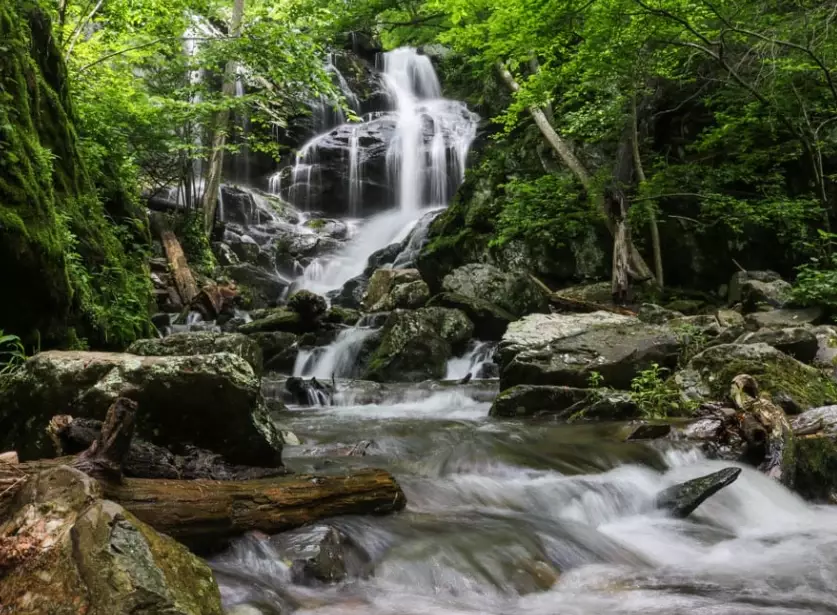
But with so many options, where do you start? I've broken it down by what you might be looking for. Remember, trail distances listed are usually one-way to the main feature. Double it for the round trip unless it's a loop.
For Knockout Views Without a Marathon Hike
You want the payoff without a huge time commitment. These trails deliver big scenery for moderate effort.
- Mary's Rock (Via the Meadow Spring Trail): This is my personal favorite for a relatively short, steep climb to a 360-degree payoff. The trailhead is at Meadow Spring parking lot (Mile 33.5). It's about 2.7 miles round trip, but it's a steady uphill. The summit is a jumble of boulders with views over Thornton Gap and the valleys to east and west. On a clear day, it's breathtaking. Way better than some of the crowded overlooks, in my opinion.
- Bearfence Mountain: This one's unique. At Mile 56.4, it's a short (1-mile round trip) but fun rock scramble. You use your hands. The 360-degree view from the top is one of the best in the park, and because it requires a tiny bit of scrambling, it filters out some of the crowds. Not for very small kids or if you're uneasy with heights.
- Stony Man: The second highest peak in the park, but one of the easiest summits to reach. The trailhead is at Mile 41.7. A gentle 1.6-mile round trip hike takes you to cliffs overlooking the Shenandoah Valley. It's famously a great sunset spot.
For Waterfall Chasers
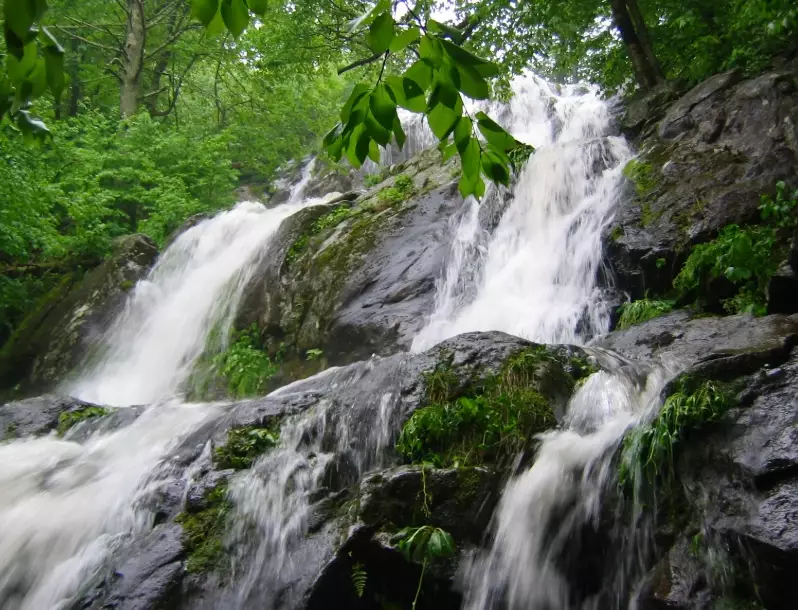
Shenandoah's waterfalls are its hidden jewels. They're best in spring when the snow melts or after a good rain. By late summer, some can be a trickle.
| Waterfall | Trailhead (Milepost) | Round Trip Distance | What to Know |
|---|---|---|---|
| Dark Hollow Falls | Mile 50.7 (Big Meadows) | 1.4 miles | The closest major waterfall to Skyline Drive. It's gorgeous but incredibly popular. Go early or on a weekday. The hike back is all uphill. |
| Whiteoak Canyon | Mile 42.6 | Varies (to first fall: ~2.5 miles) | This is the crown jewel. A series of six major cascades. You can hike to the first and second falls for a moderate trip, or go all the way down (and back up) for a full-day adventure. The lower falls are the most impressive. |
| South River Falls | Mile 62.8 | 3.3 miles (to overlook) | Often overlooked (pun intended). A peaceful hike to an overlook of the 83-foot falls. You can continue down to the base for a longer, steeper hike. |
| Overall Run Falls | Mile 21.1 (Mathews Arm) | 4.8 miles (to overlook) | The tallest waterfall in the park (93 feet). It's in the north district, which means fewer crowds on the trail. The flow is very seasonal. |
About Whiteoak Canyon—it's stunning, but that hike back up from the lower falls is no joke. I've done it on a hot August day, and I was questioning all my life choices by the end. Bring way more water than you think you need.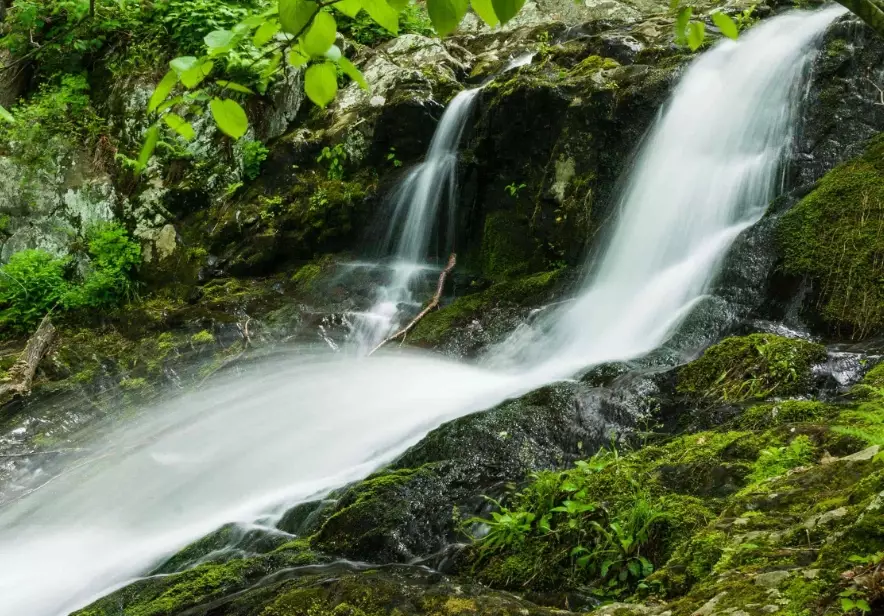
For a Taste of the Appalachian Trail
Want to say you hiked part of the legendary AT? It's easy here.
- Hawksbill Mountain: The highest point in Shenandoah National Park. You can summit via several trails. The most direct is from the Upper Hawksbill parking area (Mile 46.7) via the Salamander Trail, a 2.1-mile round trip. The summit has a stone platform and views that stretch forever.
- Little Stony Man Cliffs: A shorter, easier alternative to Stony Man. Park at Little Stony Man parking (Mile 39.1) and take the AT north. It's about a 1-mile round trip to fantastic cliffside views. Perfect for families.
When to Visit: A Season-by-Season Breakdown
Every season paints Shenandoah National Park in a different color. Your experience will be totally different depending on when you go.
Spring (April - May): This is waterfall season. The streams are roaring, and the forest is coming alive with wildflowers like trillium and azaleas. The downsides? It can be muddy, chilly, and foggy. The famous Shenandoah “green-up” happens in May, which is beautiful, but also means the leaf canopy starts to fill in, blocking some of the long-range views from the trails. Skyline Drive is less crowded than summer, though.
Summer (June - August): This is peak season. The park is lush and green. It's the best time for camping and long days on the trail. It's also the most crowded, especially on Skyline Drive. Weekends can feel like a parade. And it can get hot and humid down in the hollows, though it's usually 10 degrees cooler up on the ridge. Afternoon thunderstorms are common. I find the humidity in July can be oppressive on the steeper climbs.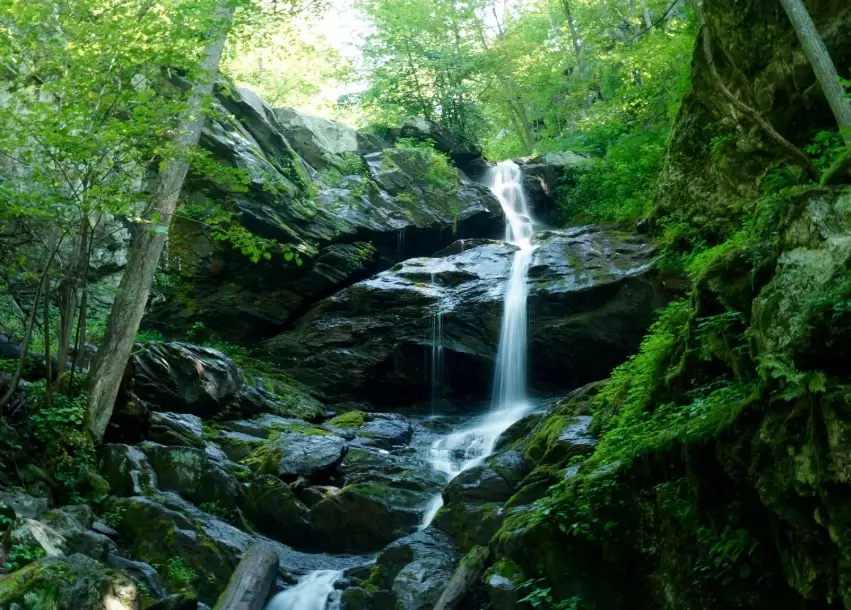
Honestly, summer weekends are my least favorite time to visit.
Fall (September - November): The famous fall foliage. It's spectacular, but it's also the other peak season. The park is absolutely mobbed in mid-October. Traffic on Skyline Drive moves at a crawl. If you want autumn colors with slightly fewer people, aim for late September or early November. The colors start at the higher elevations and move down. Check the NPS Fall Color page for updates.
Winter (December - March): This is the park's secret season. Skyline Drive often closes due to snow and ice (check road conditions here). But when it's open, you'll have it mostly to yourself. The views through the bare trees are incredible—you can see ridges you never knew were there. It's quiet, stark, and beautiful. You need to be prepared for winter hiking: traction devices for your boots, layers, and an understanding that services are limited. The Byrd Visitor Center remains open.
Where to Stay: Lodging and Camping In and Near the Park
You have options, from rustic to comfortable.
Inside the Park
The classic in-park experience.
- Historic Lodges: Skyland (Mile 41.7) and Big Meadows Lodge (Mile 51.2) are historic properties run by the park concessionaire. They're not luxury hotels—the rooms can be rustic, the walls thin—but the location is unbeatable. Waking up on the ridge top is special. You're right at the trailheads. Book far in advance, especially for fall. The concessionaire's website is where you make reservations.
- Campgrounds: There are four major campgrounds: Mathews Arm (Mile 22.1), Big Meadows (Mile 51.2), Lewis Mountain (Mile 57.5), and Loft Mountain (Mile 79.5). Big Meadows is the largest and most central (and most crowded). Lewis Mountain is my pick—smaller, quieter, first-come-first-served. All have basic amenities. Sites fill incredibly fast for summer and fall weekends on Recreation.gov.
Outside the Park Gates
More variety and often better availability.
- Front Royal: The northern gateway town. Loads of chain hotels, motels, B&Bs, and restaurants. It's practical, if not super charming. Easy in-and-out access.
- Luray: Just west of Thornton Gap entrance (on US-211). This is a great base. More character than Front Royal, with the famous Luray Caverns nearby (a separate attraction, not part of the national park). Good food and lodging options.
- Stanley/Shenandoah Valley: Near the eastern entrances. Quieter, more rural. You'll find cabins, vacation rentals, and a more laid-back vibe.
- Waynesboro: The southern gateway at Rockfish Gap. A small city with all services. A good spot if you're focusing on the park's southern district or continuing onto the Blue Ridge Parkway.
Answers to the Questions You're Actually Asking (FAQ)
Wrapping It Up: Making Your Shenandoah Trip Your Own
At the end of the day, a trip to Shenandoah National Park is what you make of it. You can have a perfectly lovely time just cruising Skyline Drive, stopping at the overlooks with the funny names, and buying a postcard at the visitor center.
But if you want the memory that sticks with you, the one you'll think about months later, do this: pick one trail. Any trail from the list above. Give yourself a few hours. Pack water, a sandwich, and maybe a rain jacket. Tell someone where you're going. Then go walk.
Listen to the birds. Feel the sun and shade alternate through the trees. Get a little out of breath on the climb. When you get to the viewpoint or the waterfall, sit for a while. Don't just snap the photo and leave. Let the place sink in.
That's when you'll find the real Shenandoah. Not just a park you drove through, but a place you were a part of, if only for an afternoon. That's the goal. Now get out there and find your own trail.
See you on the mountain.



Comments
Leave a Comment