Let's be honest. When you search for the cheapest vacation, you're not just looking for a list of budget motels. You're asking if that dream of getting away is even possible right now. The good news? It absolutely is. The cheapest vacation in the USA isn't about suffering; it's about smart choices, a shift in perspective, and knowing where the real value lies. I've planned trips where my daily spend was under $40 and others where I splurged a bit more. The core principles are the same.
Your Quick Guide to a Budget Getaway
- What Does "Cheapest" Really Mean for a US Vacation?
- How to Pick the Right Destination (The Budget Game-Changer)
- Sleep for Less: Your Accommodation Playbook
- Getting There: The Flight vs. Road Trip Math
- How to Eat Well Without Restaurant Bills
- The Fun Part: Free & Cheap Activities That Don't Feel Cheap
- Pulling It All Together: A Sample 5-Day Budget
- Your Budget Travel Questions Answered
What Does "Cheapest" Really Mean for a US Vacation?
First, let's kill a myth. "Cheapest" doesn't mean "worst." It means maximizing value. For a family of four, the cheapest option might be a road trip to a national park with camping. For a solo traveler, it could be a flash sale flight to a city with a great hostel network. Your baseline costs are Transportation, Lodging, Food, and Activities. The cheapest vacation minimizes these without eliminating enjoyment.
Here's a non-consensus point: most people over-index on finding a cheap flight and then blow their budget on everything else. Your destination choice, which dictates lodging, food, and activity costs, is far more important than shaving $50 off a plane ticket.
How to Pick the Right Destination (The Budget Game-Changer)
This is your most powerful lever. Avoid major coastal cities (NYC, SF, Miami) and iconic theme parks for true budget trips. Look inland and to smaller cities.
Top Budget-Friendly US Regions
The Southwest: Think New Mexico, West Texas, Arizona (outside of Scottsdale/Sedona). Vast public lands mean free camping, stunning desert landscapes, and affordable small towns like Las Cruces, NM or Tucson, AZ. The weather is often great for outdoor activities year-round.
The Appalachian Region: West Virginia, Eastern Kentucky, Tennessee (outside Nashville). You get incredible mountain scenery, hiking trails (like the Appalachian Trail itself), and a low cost of living that translates to cheap meals and lodging. The New River Gorge area in WV is a hidden gem.
The Great Lakes (Rust Belt Cities): Cities like Cleveland, OH, Detroit, MI, and Buffalo, NY are in the midst of a renaissance. They have world-class museums (often with free admission days), historic architecture, fantastic cheap food scenes, and very affordable Airbnb options. The Cleveland Museum of Art, for instance, is always free.
The Gulf Coast (Off-Peak): Places like Gulf Shores, AL or Panama City Beach, FL are packed and expensive in summer. Visit in late fall or early spring. You'll find condo rentals for a fraction of the price, empty beaches, and warm-enough weather.
Sleep for Less: Your Accommodation Playbook
Forget standard hotels. Here’s your hierarchy, from cheapest to more comfortable but still budget.
Camping on Public Land: The king of cheap stays. The Bureau of Land Management (BLM) and US Forest Service offer millions of acres of land where you can often camp for free (dispersed camping). You need to be self-sufficient and follow Leave No Trace principles. Websites like Recreation.gov are essential for booking developed campgrounds, which might cost $10-$30/night. A site like Campendium is gold for finding these spots.
Hostels: Not just for backpackers. USA Hostels (a network on the West Coast) and HI USA hostels offer clean dorms for $30-$50/night and often have private rooms for $80-$120. They usually have kitchens, free activities, and social atmospheres. Great in cities like San Diego, Seattle, or Boston.
Budget Motel Chains: Motel 6, Super 8, Red Roof Inn. They're basic, no-frills, and often located just off highways. You can frequently find rooms for $60-$80/night if you book in advance. Always check the reviews for cleanliness and safety.
Vacation Rentals (The Smart Way): Don't just look on Airbnb. Check Vrbo and even Facebook Marketplace for local rental listings. The key is to stay slightly outside the main tourist zone. A cabin 20 minutes from a national park can be half the price of one inside it. Having a kitchen saves a fortune on food.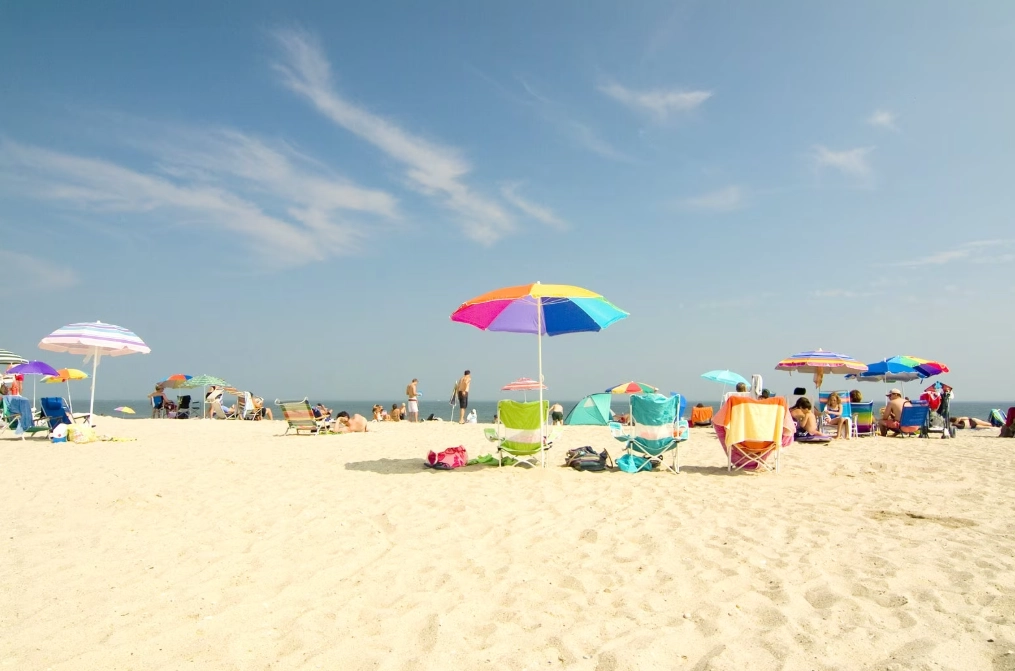
Getting There: The Flight vs. Road Trip Math
This is pure math. For a solo traveler, a $50 flight is a no-brainer. For a family of four, that's $200 plus baggage and a rental car. Suddenly, driving looks better.
Road Trip Strategy: If driving, your biggest cost is fuel. Use an app like GasBuddy to find the cheapest fuel along your route. Plan stops around free attractions or scenic viewpoints. Sleep in your car at designated rest areas or campgrounds (check local laws) to save on a hotel for one night of a long drive. The classic American road trip is still one of the most affordable ways to see the country.
Flight Strategy: Be flexible with dates and airports. Use Google Flights' "Explore" feature or Skyscanner to find the cheapest destinations from your home airport. Budget airlines like Spirit, Frontier, and Allegiant have bare-bones fares—read the fine print on baggage fees. Sometimes flying into a smaller regional airport and renting a car can be cheaper than a major hub.
How to Eat Well Without Restaurant Bills
Food is the budget killer nobody talks about. Three restaurant meals a day for a family can easily top $150. The solution is simple: don't do it.
- Book lodging with a kitchen or kitchenette. This is non-negotiable for a true budget trip. Even a microwave and mini-fridge allow for simple, cheap meals.
- Breakfast & Lunch are DIY. Cereal, oatmeal, fruit, sandwiches, salads—all cheap and easy. Pack a reusable water bottle and snacks for day trips.
- Dinner can be one modest restaurant meal or a home-cooked feast from grocery store ingredients. Explore local markets or discount grocers (Aldi, Walmart) for staples. You can eat like a king for a fraction of the cost.
- Lunch Specials are your friend. If you do eat out, make it lunch. Many restaurants have significantly cheaper lunch menus for the same portions.
The Fun Part: Free & Cheap Activities That Don't Feel Cheap
This is where your cheap vacation shines. The best things in life (and in the USA) are often free.
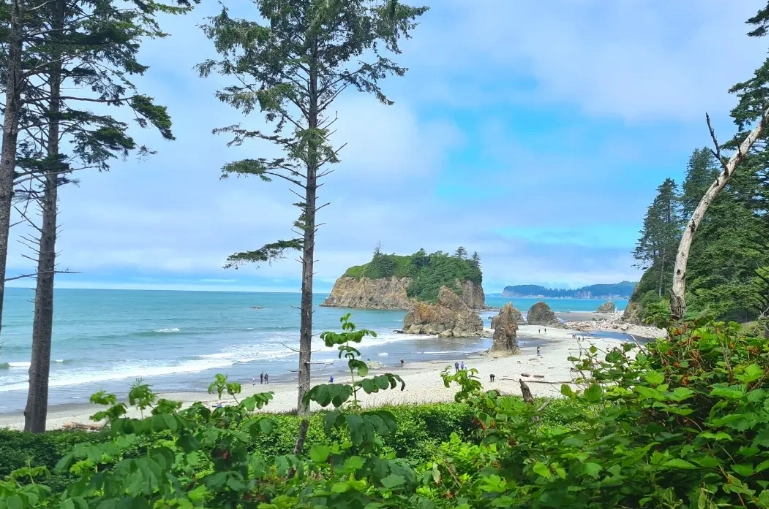
- Hiking & National Parks: While many NPs have an entrance fee ($20-$35 per vehicle), it's good for 7 days. The annual "America the Beautiful" National Parks Pass is $80 and gets your car into all fee-charging federal recreation sites for a year. That's an insane value. Once you're in, hiking is free. Ranger-led programs are free.
- Beaches: Public beach access is free in most coastal states. Spend the day swimming, sunbathing, and beachcombing.
- City Museums & Attractions: Research "free museum days." Many major city museums have one evening or one day a week where admission is free or pay-what-you-wish. Public libraries often have free or discounted passes you can borrow.
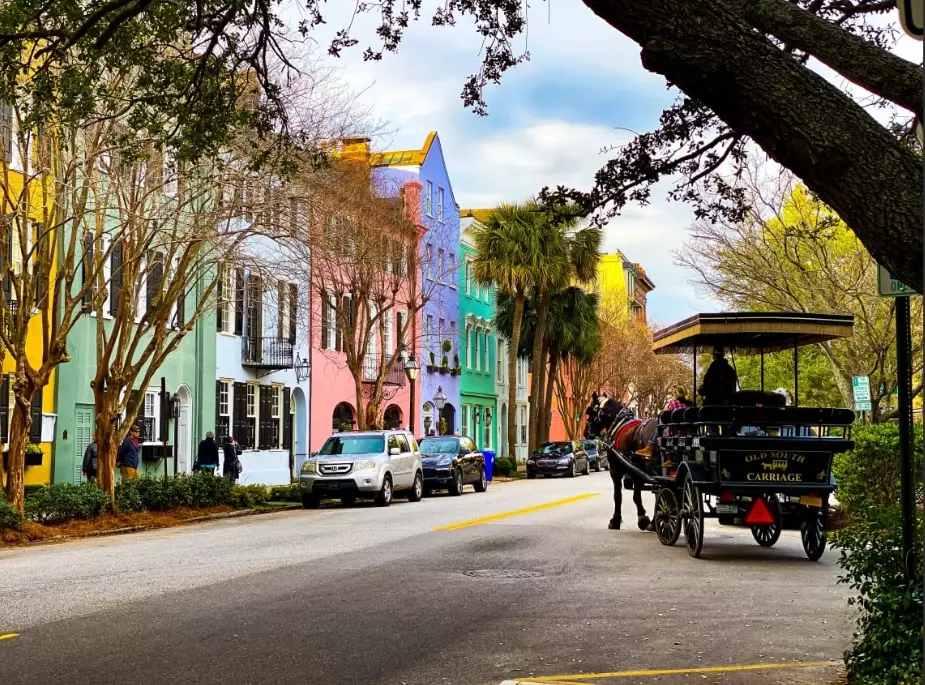
- Walking Tours: Explore historic districts, waterfronts, or downtown areas on foot. Many cities have self-guided walking tour maps online. Architecture is free to look at.
- State Parks & Forests: Often cheaper than National Parks ($5-$10 entry) and just as beautiful, with great trails and facilities.
Pulling It All Together: A Sample 5-Day Budget
Let's make it concrete. This is for a solo traveler or a couple on a road trip to a region like the Appalachian Mountains.
- Transportation (Fuel): 800 miles round trip @ 30mpg & $3.50/gal = ~$93. Split between two people? $46.50 each.
- Lodging: 4 nights camping in a state park or national forest @ $15/night = $60 total. Per person? $30.
- Food: $40/day for groceries and one cheap lunch out. $200 total for 5 days. Per person? $100.
- Activities: State park entry fees ($30), one paid attraction like a cave tour ($25). Total $55 per person.
Total Estimated Cost Per Person: $46.5 + $30 + $100 + $55 = $231.50 for 5 days. That's under $50 per day. You could spend more on comfort (a hostel or budget motel a couple nights) and still come in under $75/day easily.
Your Budget Travel Questions Answered
 The cheapest vacation in the USA is more than possible—it's an invitation to see the country in a more authentic, adventurous way. It's about trading luxury conveniences for genuine experiences and the satisfaction of knowing you did it on your own terms, and on your own budget. Start with the destination, plan around the big three (sleep, travel, eat), and fill your days with the wealth of free beauty this country offers. Your getaway is waiting.



Comments
Leave a Comment