Let's cut to the chase. You've seen the headlines, maybe heard stories from friends, and now you're wondering if planning a trip to San Francisco is a smart move. The short answer is yes, for the vast majority of visitors who take basic, smart precautions, San Francisco is a safe and incredibly rewarding city to explore. The long answer, which is what really matters, is about understanding the landscape—where to go, what to watch for, and how to navigate the city like a local who knows the score. Safety here isn't a blanket yes or no; it's a neighborhood-by-neighborhood, street-by-street reality. Having spent over a decade here, I've seen the changes, the challenges, and the enduring magic. This guide isn't about scare tactics; it's about giving you the clear, actionable information you need to have a fantastic and secure visit.
What You'll Find in This Guide
- Understanding Safety in San Francisco: Beyond the Headlines
- Where to Stay and Explore: San Francisco's Safest Neighborhoods for Tourists
- Areas to Approach with More Caution
- How to Stay Safe in San Francisco: Actionable Tips for Tourists
- Getting Around Safely: Public Transit, Rideshares, and Walking
- Your San Francisco Safety Questions, Answered
Understanding Safety in San Francisco: Beyond the Headlines
First, let's talk about what "safety" means for a tourist. Violent crime against visitors in major tourist zones is statistically rare. The primary safety concern in San Francisco, and the one you need to be most prepared for, is property crime, specifically car break-ins and petty theft like snatched phones or bags. According to the San Francisco Police Department's own data, larceny theft (which includes pickpocketing and grab-and-runs) and auto burglary are the most reported crimes in areas frequented by tourists.
The perception often outruns the reality. You're not likely to be caught in a dangerous situation, but you are highly likely to see visible signs of the city's complex social issues, like homelessness and open drug use, particularly in certain downtown areas. This can be unsettling. It's the contrast between the stunning views of the Golden Gate Bridge and a troubled street a few blocks away that defines the modern San Francisco experience. Your safety hinges less on luck and almost entirely on your situational awareness and preparation.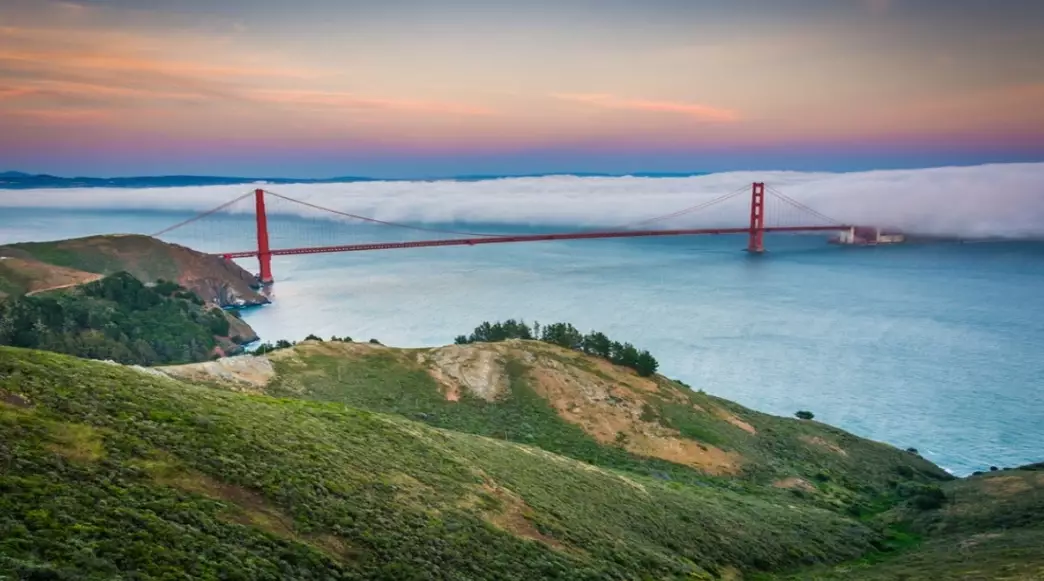
Where to Stay and Explore: San Francisco's Safest Neighborhoods for Tourists
Choosing where to base yourself is your first and most important safety decision. These neighborhoods are not only generally safe but are also packed with attractions, great food, and easy transportation.
Top Picks for a Secure Base
Marina District & Cow Hollow: This is my top recommendation for first-time visitors who prioritize safety and a pleasant atmosphere. It's affluent, well-lit, bustling with activity on Chestnut and Union Streets, and has gorgeous views of the Golden Gate Bridge and Palace of Fine Arts. You'll feel comfortable walking around day or night. Hotels here range from upscale to boutique.
Noe Valley & Cole Valley: If you want a quieter, more residential feel with a village-like main street (24th St. in Noe, Cole St. in Cole Valley), these are excellent choices. They're on the sunnier side of the city, family-friendly, and have easy access to Golden Gate Park via the N-Judah train. You'll find fewer hotels and more vacation rentals here.
North Beach / Telegraph Hill: The historic Italian neighborhood, next to Chinatown. It's vibrant, full of character, great restaurants, and bars. While it gets lively at night, the core areas are safe with lots of people around. Be mindful of the borders near the Tenderloin. Staying near Washington Square Park is ideal.
Presidio & Richmond District (Inner): The Presidio is a former military base turned national park—it's incredibly safe, serene, and beautiful. The nearby Inner Richmond along Clement Street is a local's paradise with amazing Asian food. This area is perfect if you have a car and want a mix of nature and city life.
| Neighborhood | Vibe & Best For | Safety Notes | Sample Hotel (Area) |
|---|---|---|---|
| Marina District | Upscale, scenic, active nightlife, great for walking. | Very safe day and night. High police visibility. | Marina Motel (mid-range) |
| Noe Valley | Quiet, family-friendly, sunny, local shops & cafes. | Exceptionally safe. Feels like a separate town. | Vacation rentals dominate. |
| North Beach | Historic, vibrant, best food & nightlife energy. | Safe in the core. Stick to well-lit, busy streets after dark. | San Remo Hotel (historic) |
| Presidio/Inner Richmond | Nature lovers, families, foodies wanting authenticity. | Presidio is park-safe. Richmond is very residential and safe. | Inn at the Presidio (splurge) |
Areas to Approach with More Caution
You'll likely visit some of these areas for major attractions. The goal isn't to avoid them entirely, but to navigate them with heightened awareness.
Tenderloin & parts of SOMA (South of Market): This is the epicenter of the city's challenges. The Tenderloin, in particular, has concentrated homelessness and open drug use. It's adjacent to Union Square. You can absolutely visit Union Square—it's the shopping heart of the city. But know your geography. If using a map app to walk from Union Square to, say, the Asian Art Museum, it might route you through the Tenderloin. It's better to take a rideshare or detour west via Van Ness Avenue. A common mistake is wandering south from the Powell Street cable car turnaround without paying attention.
Civic Center / UN Plaza: Home to City Hall (beautiful inside) and the main library. The plaza area can have a heavy transient population. Be alert, visit during daytime hours for City Hall tours, and don't linger unnecessarily.
Mission District (eastern portions): The Mission is fantastic for its murals, culture, and incredible food. The area west of Mission Street, around Valencia Street, is trendy and generally safe. The area closer to 16th Street BART and east of Mission Street can be more uneven, especially after dark. Stick to the main commercial corridors.
How to Stay Safe in San Francisco: Actionable Tips for Tourists
This is the meat of it. Follow these, and you'll eliminate 95% of your risk.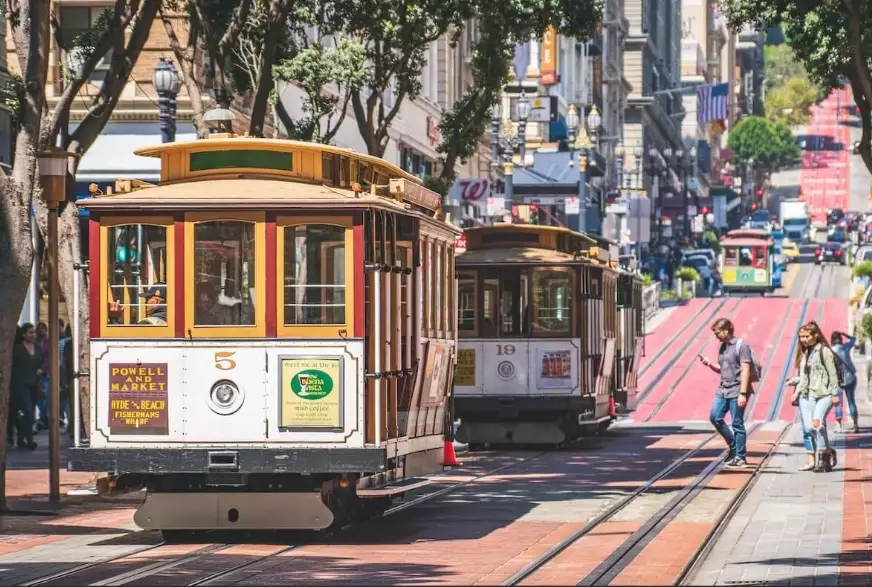
The Absolute Non-Negotiables
1. The Car Break-In Rule: If you have a rental car, never leave anything in it. Ever. Not in the trunk, not under a jacket, not for "just five minutes." Thieves target rental cars and know all the hiding spots. They can smash a window in under 10 seconds. This is the single most important piece of advice. Use valet parking or secure garages whenever possible, and even then, take your valuables with you.
2. The Phone/Bag Protocol: Don't be a sidewalk zombie. When using your phone, step close to a building wall, not the curb. A common tactic is thieves on bikes or scooters snatching phones from distracted hands. In crowded places like Pier 39 or on a packed cable car, wear your backpack on your front or keep your purse/crossbody bag clamped under your arm. It feels awkward for about two minutes, then it just feels smart.
3. The Nighttime Walk: Stick to well-lit, busy streets. If something feels off, trust your gut. There's no shame in turning around and taking a different route or hopping in a rideshare. Plan your evening so you're not walking long distances alone late at night from a bus stop.
Pro-Tips from a Local
• Use a physical map or screenshot directions. Staring at your phone constantly marks you as a distracted tourist. Know your next turn before you start walking.
• Carry a decoy wallet. Keep a small amount of cash and an expired gift card in an old wallet. If you're ever in the extremely unlikely scenario of being pressured, you can hand that over. Keep your real cards and cash hidden elsewhere on your person.
• Book tours for evening activities. Want to see Alcatraz at night or go on a ghost tour? Book a guided group. It's safer and often more informative.
Getting Around Safely: Public Transit, Rideshares, and Walking
BART & Muni: BART (subway) is fine for getting from the airport (SFO) to downtown. Avoid the very last car, especially late at night. Muni buses and trains (like the historic streetcars) are generally safe but can be crowded. Have your Clipper Card (or app) ready before boarding to avoid fumbling with your wallet. Be extra vigilant at major hubs like Civic Center or Powell Street stations.
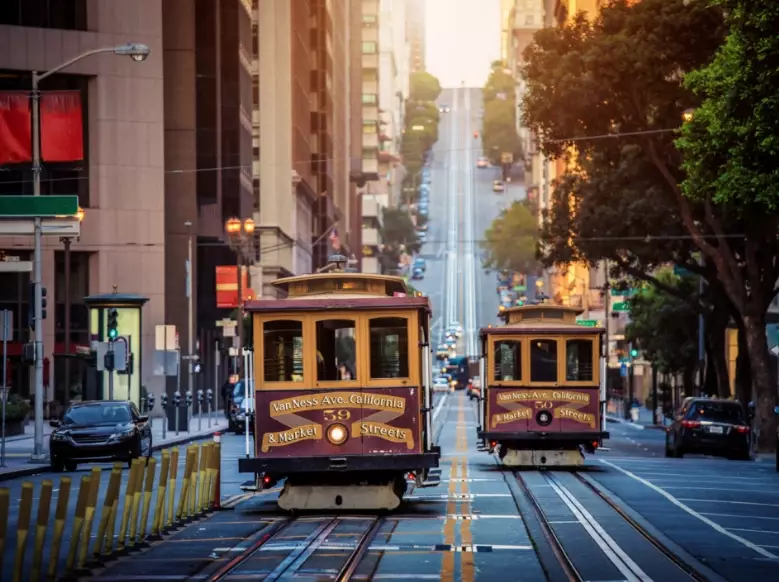
Cable Cars: A must-do! They are safe but prime pickpocketing spots due to the crush of people. Hold on tight to the pole and your bag.
Rideshares (Uber/Lyft): Your best bet for nighttime travel or moving between neighborhoods. Always verify the license plate and driver's name before getting in.
Walking: San Francisco is a walking city. Use common sense: cross at lights, be aware of erratic drivers (and scooters), and enjoy the hills.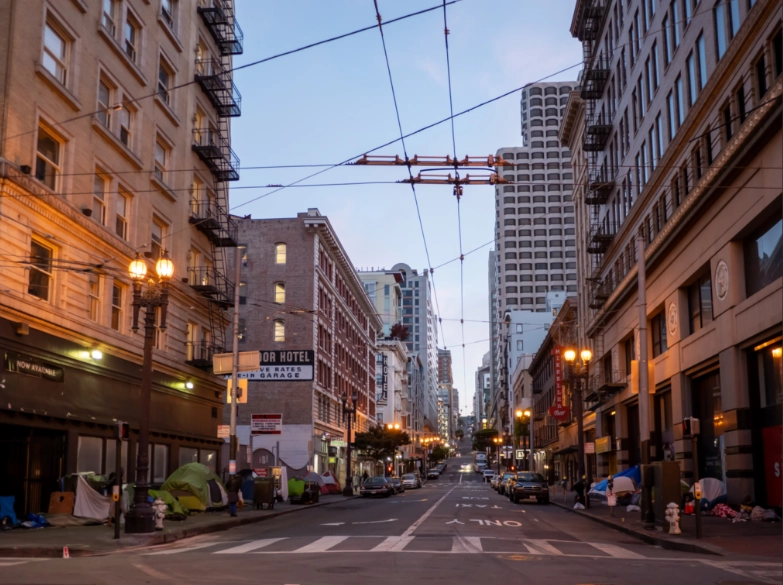
Your San Francisco Safety Questions, Answered
 Are rideshares like Uber safe for solo female travelers at night?
 So, is San Francisco safe to visit? With your eyes open and a bit of street smarts, absolutely. The city's art, food, natural beauty, and innovative spirit are very much alive and waiting for you. The challenges are real, but they are manageable. Don't let fear dictate your trip—let preparedness guide it. Plan your stay in a safer neighborhood, be relentless about securing your belongings, and then go out and fall in love with the fog, the hills, and the impossible charm of the City by the Bay. Have a fantastic trip.


Comments
Leave a Comment