Let's cut to the chase. If you're asking whether tourism has returned to San Francisco, the answer is a clear but nuanced yes, but it's different. The crowds are back at Fisherman's Wharf, cable car lines snake around Powell Street, and hotel occupancy rates tell a story of steady recovery. According to the San Francisco Travel Association, the city welcomed 21.9 million visitors in 2023, reaching about 88% of 2019's pre-pandemic levels. Projections for 2024 are even stronger. But simply counting heads misses the point. The nature of the visit, the priorities of travelers, and the city's own landscape have shifted in profound ways. This isn't the San Francisco of 2019; it's a city navigating a new chapter, and your trip will be better if you understand that context.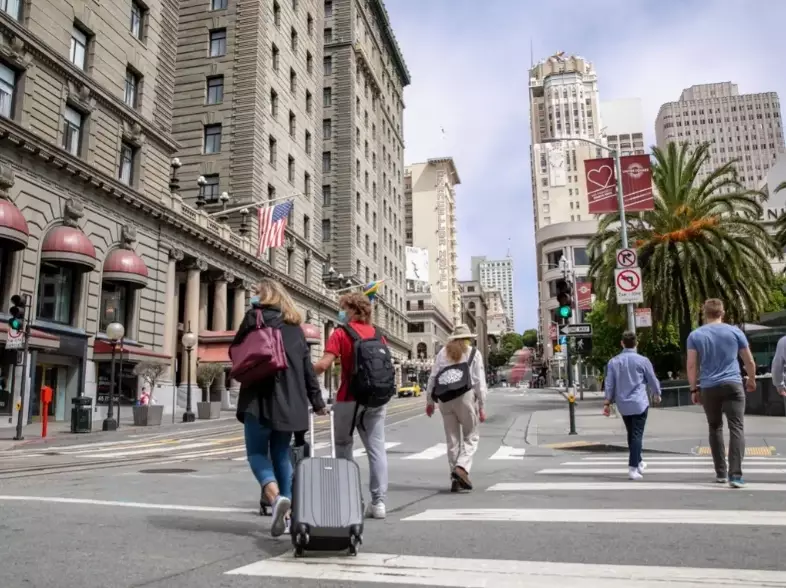
I've lived in the Bay Area for over a decade, and the change isn't just in statistics—it's in the vibe. The downtown core feels quieter on a Tuesday afternoon than it used to, while neighborhoods like the Mission and Japantown buzz with a resilient, local-focused energy. Tourists are back, but they're often more deliberate, more neighborhood-curious, and yes, more concerned about headlines they've read. This guide isn't a puff piece. We'll look at the hard data, address the elephant in the room (safety and conditions), and give you a clear-eyed, practical plan for experiencing the best of San Francisco today.
What You'll Find in This Guide
The Current State of San Francisco Tourism: Data and Anecdotes
The recovery isn't uniform. Convention and business travel, historically a huge chunk of SF's tourism economy, are still lagging. Leisure travel, however, is leading the charge. Here’s what the numbers and the on-the-ground feel tell us.
Where You'll See the Crowds (And Where You Won't)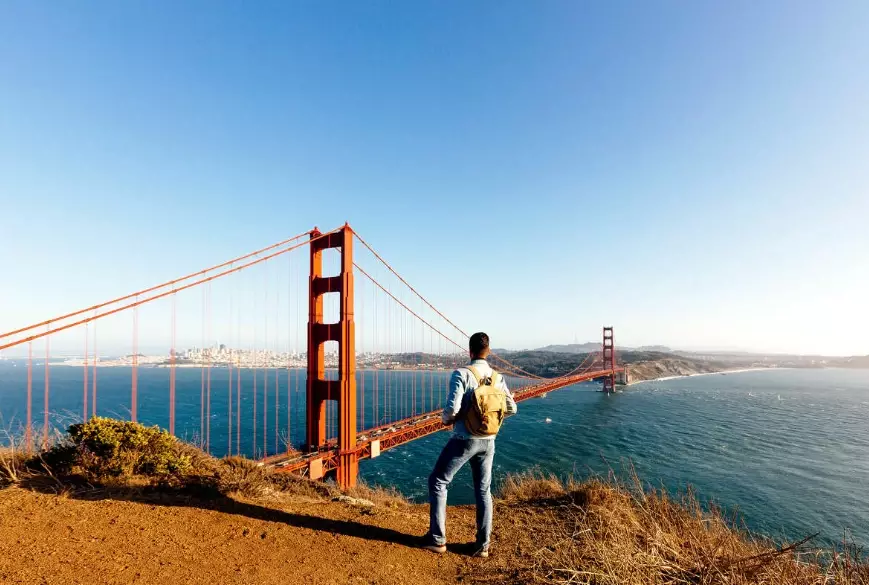
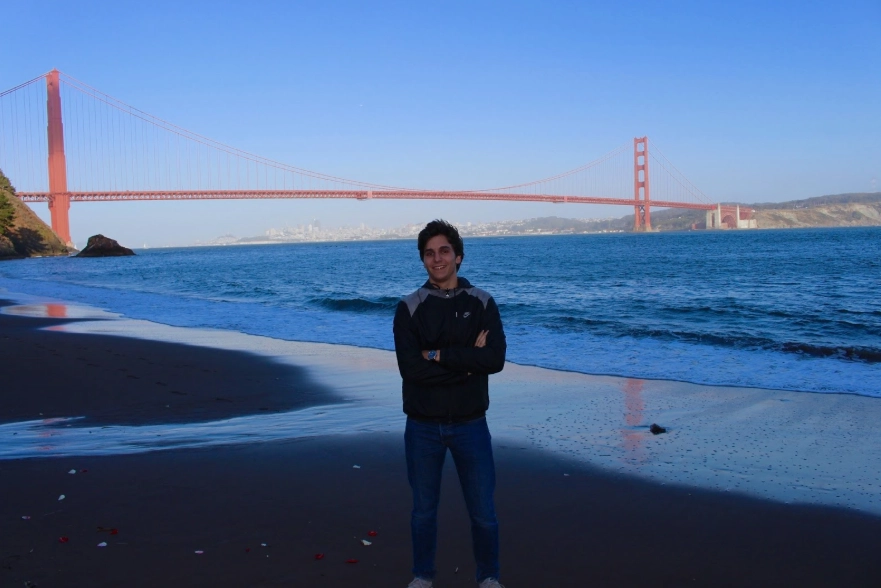
The classic postcard spots are thriving. Go to Alcatraz and you'll need to book tickets weeks in advance, just like the old days. A ferry ride to the island costs about $45-$55 for adults, and tours run daily from 8:45 AM to 3:50 PM. The Golden Gate Bridge vista points are packed by 11 AM on weekends. But wander a few blocks inland from Union Square, the traditional shopping and hotel heart, and the foot traffic can feel sparse. This creates a weird duality. The city can feel both crowded and empty, sometimes within a 15-minute walk.
A major sign of recovery? Hotel rates. They've climbed back to—and in some cases surpassed—pre-pandemic levels. A decent mid-range hotel near Union Square will easily run you $250-$350 per night in peak season. Luxury properties are commanding their premium prices again. This isn't a city offering deep discounts to lure people back; the demand is demonstrably there.
The Shift in Visitor Interests
People aren't just checking boxes. There's a noticeable pivot towards outdoor experiences, food culture, and neighborhood immersion over pure shopping or downtown-centric itineraries.
- Lands End and the Presidio are more popular than ever. The hike from the Legion of Honor to the Sutro Baths offers stunning, free coastal views that feel a world away from urban problems.
- Food halls and neighborhood eateries are outperforming many formal downtown restaurants. Places like the Ferry Building Marketplace (open daily, hours vary by vendor) or the Spark Social food truck park in Mission Bay are packed.
- Interest in guided tours has evolved. Beyond bus tours, you see more demand for culinary walks in the Mission, street art tours in the Mission Bay, or history-focused walks about the city's different communities.
This shift is healthy. It means tourism dollars are spreading into more residential neighborhoods, supporting smaller businesses, and giving visitors a richer, more authentic experience. The mistake many first-timers make is spending all their time in the highly curated, sometimes tired, tourist corridors. The real recovery energy is in the neighborhoods.
How to Plan Your 2024 San Francisco Trip: A Practical Guide
Planning a trip now requires a slightly adjusted mindset. Here’s how to build an itinerary that reflects the city's current reality and maximizes your enjoyment.
Accommodation Strategy: Location is Key
Think beyond Union Square. It's still central and well-connected by transit, but for a more vibrant feel, consider these alternatives:
- Fisherman's Wharf/Ghirardelli Square: Tourist-central, but undeniably convenient for families and first-timers. Expect higher prices. The Argonaut Hotel (a nautical-themed hotel in a historic building) offers character and direct access to the waterfront.
- Japantown/Pacific Heights: A personal favorite. You get a unique cultural hub (Japantown's Peace Plaza and shops), beautiful architecture, and excellent bus lines. The Hotel Kabuki is a stylish, recently renovated option right in the heart of it.
- Mission District: For the foodie and nightlife-focused traveler. You'll be immersed in Latino culture, incredible murals, and some of the city's best restaurants. Opt for a well-reviewed boutique hotel or a higher-end Airbnb here.
Building Your Daily Itinerary: A Sample Framework
Don't try to criss-cross the city multiple times a day. San Francisco is small but topographically challenging, and traffic or Muni delays can eat your time. Group activities by geography.
Example Day 1: The Northern Waterfront & Icons
Morning: Alcatraz tour (booked months ahead).
Afternoon: Explore Fisherman's Wharf (skip the generic trinket shops, hit the Boudin Bakery for sourdough), then walk to Ghirardelli Square for a sundae.
Evening: Take the Powell-Hyde cable car ($8 per ride) back towards Union Square. Have dinner in North Beach (Little Italy).
Example Day 2: Golden Gate & Presidio
Morning: Bike across the Golden Gate Bridge to Sausalito (rentals from shops near Fisherman's Wharf start at ~$40/day).
Afternoon: Ferry back from Sausalito (~$15). Explore the Presidio's trails and Walt Disney Family Museum.
Evening: Sunset at Lands End, then dinner in the nearby Richmond District (amazing Asian cuisine on Clement Street).
Example Day 3: Neighborhood Immersion - The Mission
Morning: Mission Dolores Park (people-watching, skyline views), then walk down Valencia Street for coffee and boutique shopping.
Afternoon: Balmy Alley and Clarion Alley to see the world-class murals. Grab a burrito from La Taqueria (cash only, expect a line).
Evening: Drinks and live music in one of the neighborhood's many bars.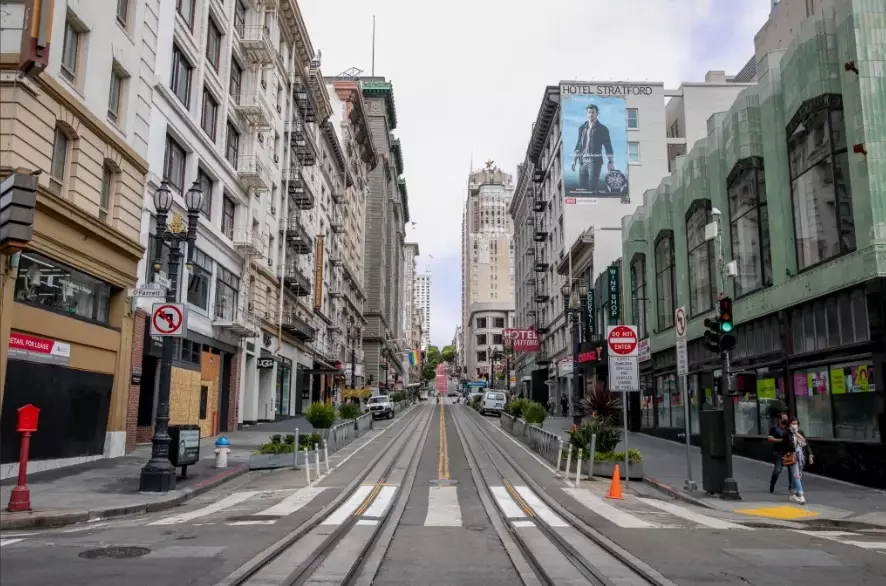
Addressing Safety and Cost: The Real Talk Section
You've read the headlines. Let's be specific, not sensational.
Is San Francisco Safe for Tourists in 2024?
For the vast majority of visitors sticking to tourist areas and using common sense, yes, it is safe. Violent crime rates in areas frequented by tourists remain relatively low compared to other major US cities. The primary issues are property crime (car break-ins, which are an epidemic) and the visible homelessness and open-air drug use in certain parts of downtown, notably the Tenderloin district and around Sixth and Market streets.
Walking around during the day in most areas is fine. At night, stick to well-lit, active streets. Avoid the Tenderloin and parts of SoMa (South of Market) after dark unless you're going directly to a specific venue. This isn't about living in fear; it's about spatial awareness, a skill any big city requires.
The Cost of Visiting: It Was Never Cheap, But Now...
San Francisco is expensive. Full stop. Here’s a quick breakdown:
- Meals: A casual lunch $18-$25, a nice dinner entree $35-$50+. The trick is to mix in affordable eats: burritos, dim sum, food truck fare.
- Attractions: Alcatraz ($55), California Academy of Sciences ($40-$50), de Young Museum ($15). Consider the San Francisco CityPASS if you plan to hit several big-ticket items.
- Transportation: Muni single ride is $3. A 1-day visitor passport (unlimited Muni rides, including cable cars) is $13. Cable cars alone are $8 per ride.
Budget accordingly. The city's recovery isn't built on bargain hunting.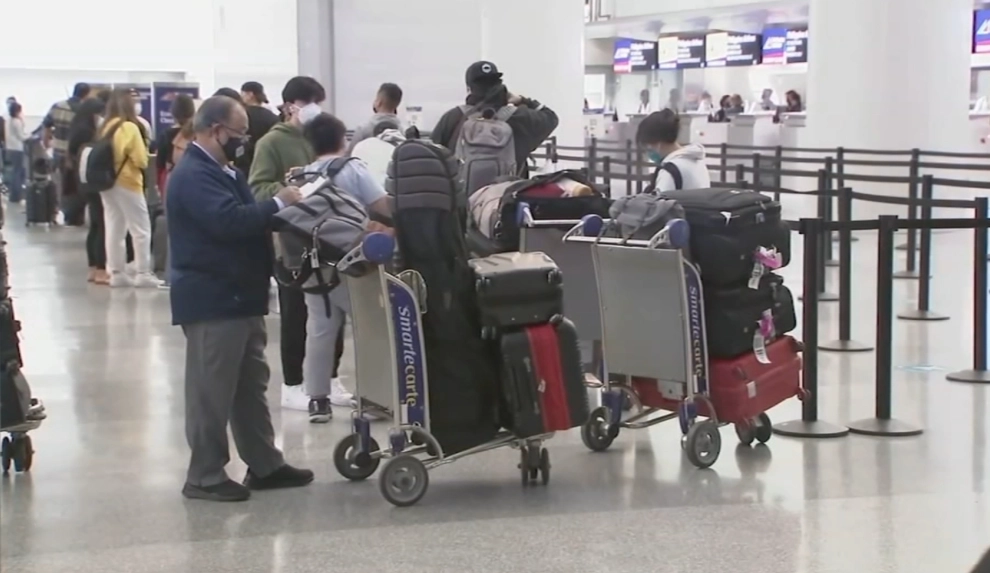
The Future Outlook and Lingging Questions
The trajectory is positive, but challenges remain. The city government and business groups are intensely focused on revitalizing downtown, cleaning up streetscapes, and attracting more conventions. New developments like the Chase Center in Mission Bay (home to the Warriors) have created new tourism anchors. The upcoming 2025 America's Cup sailing race is expected to provide a major boost.
However, the fundamental issues of housing affordability, homelessness, and retail vacancy in the downtown core are deep-seated and won't be solved overnight. Tourism recovery is happening despite these problems, not because they've been fixed. The city's enduring appeal—its breathtaking beauty, innovative spirit, cultural diversity, and world-class food—is proving resilient enough to draw people back.
Your Questions, Answered Honestly
Is it worth visiting San Francisco in 2024 given the reports of challenges?
Absolutely, if you plan smartly. The challenges are real but largely concentrated. The city's iconic beauty, incredible food scene, and unique neighborhoods are completely intact and as rewarding as ever. A well-planned trip that focuses on the city's strengths—neighborhood exploration, outdoor activities, cultural immersion—will overwhelmingly be a positive experience. You'll see issues, but they don't define the entire city.
What's the one thing most tourist guides get wrong about visiting San Francisco now?
They underemphasize the importance of neighborhood-based planning and overemphasize downtown. Spending a whole day hopping from Union Square to Fisherman's Wharf to Chinatown is exhausting and gives you a fragmented view. Instead, pick a neighborhood like the Mission, North Beach, or Japantown as a base for half a day or more. Dive deep. Have coffee, browse shops, visit a local museum, eat two meals there. You'll get a more coherent, enjoyable, and authentic sense of the city's community life, which is where its true heart beats.
 How are the public transportation and ride-sharing options for getting around?
Muni (buses, light rail, streetcars) and BART (for airport and East Bay trips) are functional and extensive. They can be slow and occasionally encounter delays or have cars with unsavory conditions. For efficiency, I often recommend visitors use Muni for longer, straightforward routes (like the F-Market streetcar along the waterfront) and rely on rideshares (Uber/Lyft) for shorter, point-to-point trips, especially in the evenings or with groups. The Clipper card (available as a physical card or in your phone's digital wallet) is the universal payment method for all Bay Area transit and is highly recommended.
Are there areas that have surprisingly improved or become more visitor-friendly since the pandemic?
Mission Bay and the Dogpatch area. Once mostly industrial, these southeastern neighborhoods have transformed. The Chase Center brought concerts and NBA games, sparking new restaurants, bars, and the Spark Social food truck park. The UCSF campus and nearby parks make it feel fresh and active. It's a great example of San Francisco's evolving landscape—it's not all about preserving the past, but also embracing new centers of energy that are clean, safe, and full of life.
So, has tourism returned to San Francisco? The data says yes, and my own eyes confirm it. The city is back on the map for travelers. It demands a more informed, intentional approach than perhaps it did five years ago. You need to be savvy about safety, strategic about your itinerary, and open to exploring beyond the classic checklist. Do that, and you'll discover a city that, for all its well-publicized struggles, remains one of the most captivating and rewarding destinations on earth. Its magic hasn't gone anywhere; you just might have to look for it in slightly different places.

Comments
Leave a Comment