Ask for the names of good food in the USA, and you'll get a different answer depending on who you ask and where they're from. That's because American cuisine isn't a monolith—it's a sprawling, delicious mosaic of regional specialties. Forget the generic chain restaurants. The real magic happens in the corner pizza joints, the smoky roadside BBQ shacks, and the bustling diners that have been serving the same perfect pie for decades.
Your Foodie Roadmap
- Beyond Burgers & Hot Dogs: Understanding American Food Regions
- A Quick Guide to Iconic American Regional Foods
- Where to Eat: Specific Spots for Famous American Dishes
- How to Find the Best Local Food When You Travel
- What Are Some Common Mistakes When Ordering American Food?
- Your American Food Questions Answered
Beyond Burgers & Hot Dogs: Understanding American Food Regions
Most lists of American food start and end with burgers. That's a huge disservice. To truly know the names of good food here, you need a map. The flavors change dramatically from coast to coast, influenced by history, immigration, and local ingredients.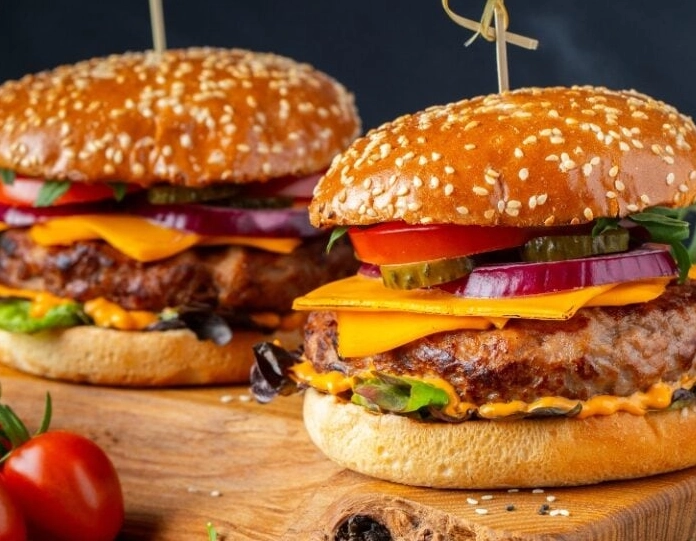
In the Northeast, you have hearty, comfort-based dishes from early settlers and waves of European immigrants. Think creamy clam chowder in Boston, the iconic thin-crust pizza of New York, and the cheese steak born in Philadelphia.
Head south, and everything gets smoky, sweet, and slow-cooked. Barbecue isn't just a food; it's a religion with distinct denominations: tomato-based in Memphis, vinegar-based in North Carolina, sweet and thick in Kansas City. Then there's the Creole and Cajun magic of New Orleans—gumbo, jambalaya, beignets.
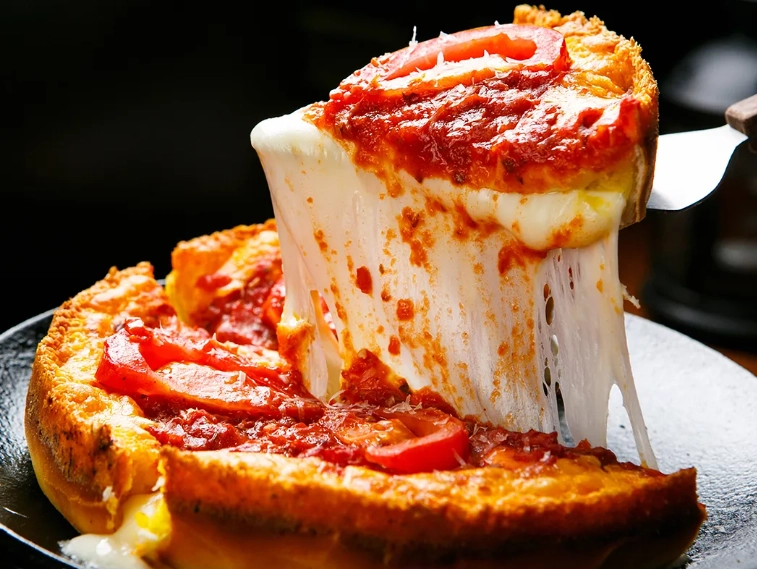
The Midwest is America's breadbasket, serving up casseroles, bratwursts (thanks to German settlers), and the deep-dish pizza that Chicagoans fiercely defend. Out west, the influences shift to Mexican and Asian cuisines, leading to innovations like the California roll, fish tacos in San Diego, and the fresh, produce-focused dishes of the Pacific Northwest.
See what I mean? It's a continent on a plate.
A Quick Guide to Iconic American Regional Foods
This table breaks down some of the most important names of good food in the USA by their home region. It's your cheat sheet.
| Region | Iconic Dish (The "Name") | Key Characteristics | Primary City/State Association |
|---|---|---|---|
| Northeast | New York-Style Pizza | Large, thin, foldable slices with a crisp yet pliable crust. | New York City, NY |
| Northeast | New England Clam Chowder | Creamy, white soup with clams, potatoes, and onions. | Boston, MA |
| South | Texas Brisket | Smoked beef brisket, seasoned primarily with salt and pepper (no sauce needed). | Central Texas |
| South | Shrimp & Grits | Sautéed shrimp served over creamy, stone-ground grits. | Charleston, SC / Lowcountry |
| Midwest | Chicago Deep-Dish Pizza | A thick, pie-like pizza with cheese and toppings layered under the sauce. | Chicago, IL |
| Midwest | Toasted Ravioli | Breaded, deep-fried meat-filled ravioli, served with marinara. | St. Louis, MO |
| West/Southwest | California-Style Fish Tacos | Grilled or fried fish in a soft tortilla with cabbage, salsa, and creamy sauce. | San Diego, CA |
| West/Southwest | Green Chile Stew | A hearty stew featuring roasted Hatch green chiles, pork, and potatoes. | New Mexico |
The table gives you the names, but the real experience is finding where to eat them. That's where most guides fall short.
Where to Eat: Specific Spots for Famous American Dishes
Here's where I give you the actionable info. These are specific, tried-and-true spots (or universally acclaimed ones) for some of the top names of good food in the USA. I'm including the practical details you need to plan your visit.
New York-Style Pizza: Joe's Pizza (Greenwich Village)
Forget the fancy artisanal spots for your first slice. Joe's on Carmine Street is the textbook definition. It's been there since 1975, it's cash-only, and it's perfect. The classic cheese slice is what you want: a thin, slightly charred crust that holds its structure when you fold it, the right ratio of tangy sauce to melted mozzarella.
- Address: 7 Carmine St, New York, NY 10014
- What to order: A plain cheese slice (or two).
- Price: ~$4.00 per slice.
- Hours: Sun-Thu 10am - 4am, Fri & Sat 10am - 5am. Yes, it's a late-night haven.
- Tip: Eat it standing up at the narrow counter. That's part of the experience.
Texas Brisket: Franklin Barbecue (Austin)
This is the pilgrimage site. Aaron Franklin turned brisket into an art form, winning a James Beard Award. The catch? You wait in line, often for hours. Is it worth it? For the most tender, smoky, perfectly seasoned brisket you'll likely ever eat, yes. They also have incredible ribs and sausage.
- Address: 900 E 11th St, Austin, TX 78702
- What to order: Brisket (by the pound), pork ribs, sausage link.
- Price: Brisket is ~$34/lb. Plan to spend $25-$40 per person.
- Hours: Tuesday to Sunday, 11am until sold out (often by 2pm).
- Tip: Go on a weekday, arrive by 8am, bring a folding chair and some friends. The line is a social event.
A Quick Reality Check: Franklin is legendary, but the line is a commitment. If you're in Austin and can't spare half a day, try Terry Black's Barbecue or Micklethwait Craft Meats. You'll get 95% of the way there with a fraction of the wait. The brisket at these places is still world-class.
New Orleans Beignets: Café Du Monde (French Quarter)
This isn't just a cafe; it's an institution since 1862. Beignets are square French-style doughnuts, fried hot and buried under a mountain of powdered sugar. Café Du Monde's are the gold standard—light, airy, and impossibly fluffy inside. Paired with their chicory coffee, it's a quintessential New Orleans breakfast.
- Address: 800 Decatur St, New Orleans, LA 70116 (Original location)
- What to order: An order of beignets (3 per order) and a café au lait.
- Price: ~$4.25 for an order of beignets.
- Hours: Open 24 hours a day, 7 days a week.
- Tip: Go late at night or very early morning to avoid the biggest crowds. And wear dark clothing—you will get powdered sugar everywhere.
How to Find the Best Local Food When You Travel
You won't always be in a famous food city. Here's how I find the good stuff anywhere.
Ignore the downtown tourist traps. Walk 4-5 blocks away from the main attractions. The prices drop, and the authenticity rises.
Look for longevity, not hype. A diner that's been in business since 1952 is a safer bet than a trendy new spot with Instagrammable decor. Look for faded signs and packed parking lots at lunchtime.
Ask a local, but be specific. Don't ask "Where's a good restaurant?" That's too broad. Ask "Where do you go for the best [local specialty]?" or "If you wanted a great burger tonight, where would you go?" You'll get a much better answer.
Check regional food awards. Look beyond national lists. The James Beard Foundation's regional awards or local magazine "Best of" lists (like Chicago Magazine's "Best Of" or Texas Monthly's BBQ list) are goldmines for credible recommendations.
What Are Some Common Mistakes When Ordering American Food?
After years of eating my way across the country, I see visitors make the same blunders.
Mistake 1: Assuming all BBQ sauce is the same. Asking for extra sauce on Texas brisket is borderline insulting—the meat should stand on its own. In Kansas City, sauce is essential. Know the regional style.
Mistake 2: Ordering a "pepperoni pizza" in Chicago.
If you're at a deep-dish place like Lou Malnati's or Giordano's, the classic order is sausage. The big, crumbled patty of fennel-seasoned sausage is part of the architecture. Pepperoni can get lost in the deep dish. Try the sausage and mushroom.
Mistake 3: Getting a "Philly Cheesesteak" with peppers and mushrooms. In Philadelphia, the debate is between Cheez Whiz, provolone, or American cheese, and onions or no onions. The addition of bell peppers and mushrooms is a variation often called a "Philly Hoagie" or just a steak sandwich, but purists will tell you it's not a true cheesesteak. When in South Philly, go simple: steak, fried onions, and Cheez Whiz on an Amoroso roll. Try Pat's or Geno's for the rivalry experience, or John's Roast Pork for what many locals consider the best.

Comments
Leave a Comment