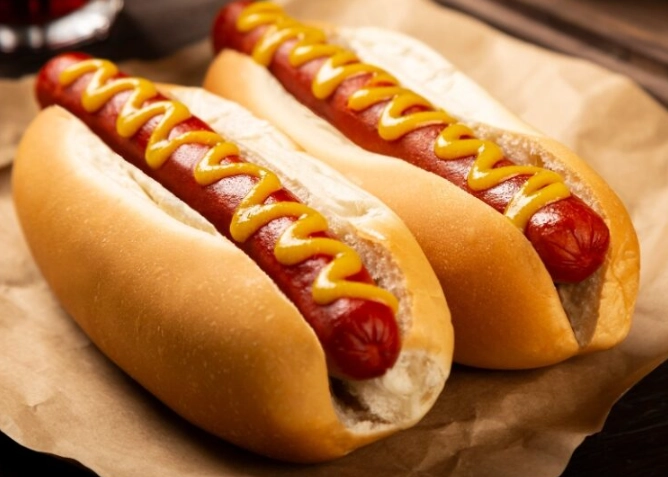
Let's cut to the chase: when people ask what US foods are known for, they often picture burgers, fries, and hot dogs. But that's just the surface. American cuisine is a wild mix of immigrant influences, regional pride, and constant innovation. I've spent years eating my way across the country, from diners in Maine to taco trucks in California, and here's the real deal—it's way more than fast food.
Jump to What You Need
The Unmissable Classics: Foods That Scream "America"
These are the dishes everyone associates with the US. But here's a tip: the best versions aren't always from big chains. Let's break down two icons.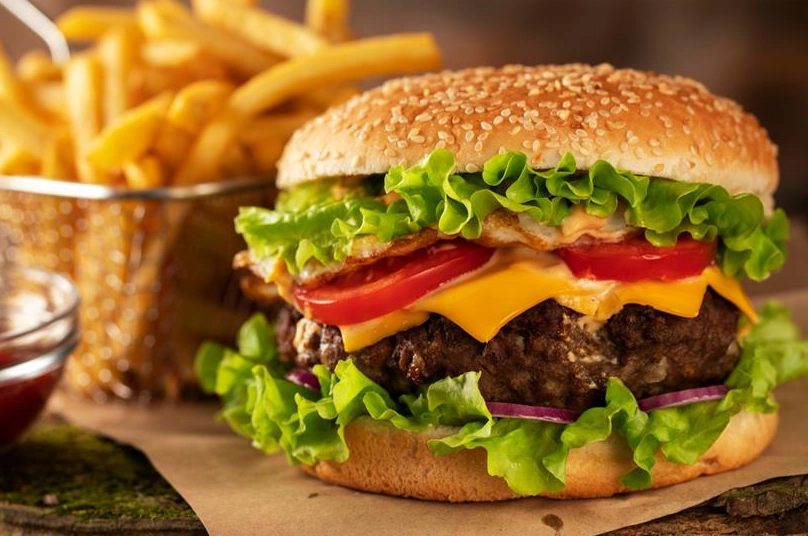
The Burger: America's Handheld Icon
Yeah, you know the burger. But a truly great one? It's about the details. The patty should be juicy, not dry. The bun soft but sturdy. I remember grabbing a burger at In-N-Out Burger in California—their Animal Style burger (with grilled onions, extra spread) is a game-changer. Locations all over the West Coast; a Double-Double costs around $4.50. Open late, often until 1 AM. But don't sleep on local spots. In New York, Peter Luger Steak House in Brooklyn serves a burger only at lunch—it's pricier at $20, but worth it for the blend of cuts.
Most tourists go for fast-food chains, but that's a mistake. The real magic happens at roadside joints where the meat is ground fresh daily.
Apple Pie: More Than Just Dessert
Apple pie symbolizes American homeliness, but not all pies are created equal. The crust should be flaky, the filling tart-sweet. I stumbled upon Mom's Apple Pie Company in Julian, California (address: 2119 Main St, Julian, CA 92036). Their Dutch apple pie, with a crumb topping, sells for about $25 whole. Open 9 AM to 5 PM. It's a hike from San Diego, but the drive through the mountains makes it an adventure.
Fun fact: apple pie actually has European roots, but Americans made it their own by adding cinnamon and serving it with cheddar cheese in some regions. Try that in Vermont—it's a thing.
Beyond the Clichés: Regional Gems You Need to Try
American food isn't monolithic. Travel a few hundred miles, and the flavors shift dramatically. Here are two regions that define diversity.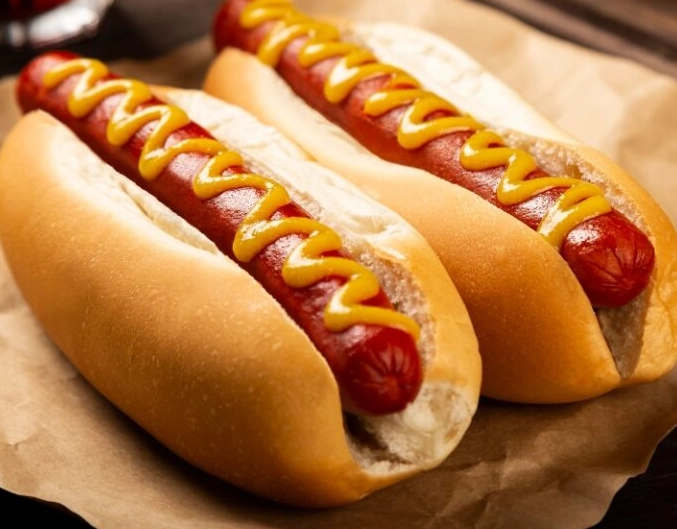
Southern Soul Food: A Taste of History
Southern cuisine is comfort food with a story. Think gumbo, fried chicken, collard greens. In New Orleans, Dooky Chase's Restaurant (2301 Orleans Ave, New Orleans, LA 70119) is legendary. Their gumbo—a rich stew with okra and sausage—costs around $12 a bowl. Open Tuesday to Friday, 11 AM to 3 PM. The place has been around since 1941, and the walls are lined with African American art. It's more than a meal; it's an experience.
But here's a non-consensus view: many visitors focus on spicy Cajun food, but the real soul lies in simpler dishes like red beans and rice, which locals eat on Mondays. Ask for it at smaller cafes.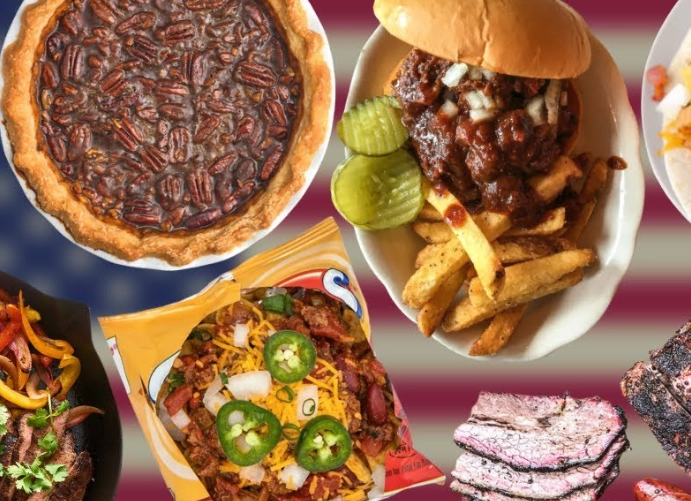
The Pacific Northwest: Seafood Heaven
Up in the Northwest, seafood reigns. Clam chowder, salmon, Dungeness crab. Pike Place Chowder in Seattle (1530 Post Alley, Seattle, WA 98101) has won awards. Their New England clam chowder is creamy and packed with clams—a cup is about $8. Open daily from 11 AM to 5 PM, but expect lines. I once waited 30 minutes, but the view of Puget Sound made it worth it.
Don't just stick to chowder. Try geoduck (a giant clam) if you're adventurous. It's chewy and sweet, often served in sushi spots.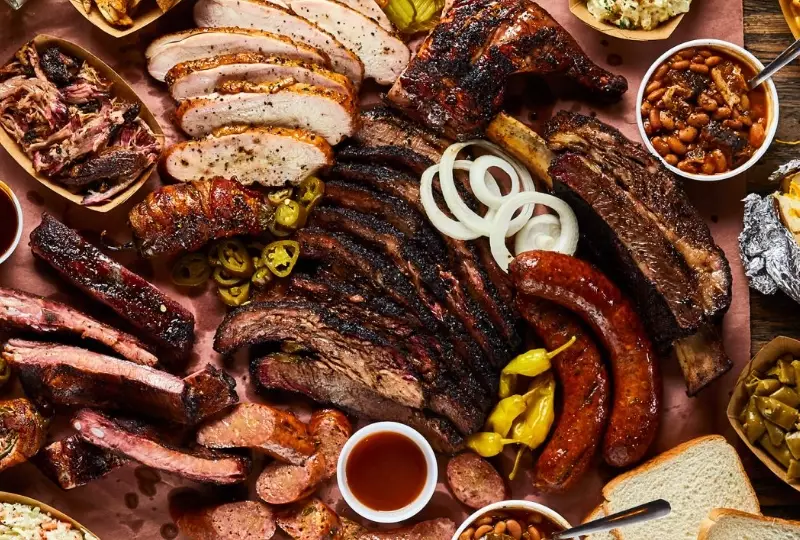
How to Eat Like a Local: A Practical Foodie's Map
Want to dive deeper? Here's a table of spots I've personally visited. These aren't tourist traps; they're where locals go for authentic flavors.
| Restaurant | Location | Signature Dish | Price Range | Hours |
|---|---|---|---|---|
| Franklin Barbecue | 900 E 11th St, Austin, TX 78702 | Brisket (sold by weight) | $25 per pound | 11 AM until sold out, Tue-Sun |
| Di Fara Pizza | 1424 Avenue J, Brooklyn, NY 11230 | Classic New York slice | $5 per slice | 12 PM to 8 PM, Wed-Sun |
| The Varsity | 61 North Ave NW, Atlanta, GA 30308 | Chili Dog | $3-5 | 10 AM to 10 PM daily |
Planning a trip? Focus on one region. For example, in Texas, barbecue is king. Franklin Barbecue in Austin—yes, you'll wait in line for hours, but the brisket melts in your mouth. Get there by 8 AM to snag a spot. It's a ritual.
Personal tip: I learned the hard way that many iconic places don't take reservations. Call ahead or check social media for updates. Also, tipping is expected—usually 15-20% at sit-down restaurants.
If you're driving cross-country, hit up diners. They're the unsung heroes of American food. The menu is huge, the coffee bottomless, and you'll meet characters. Try the meatloaf at a random spot in Ohio—it might surprise you.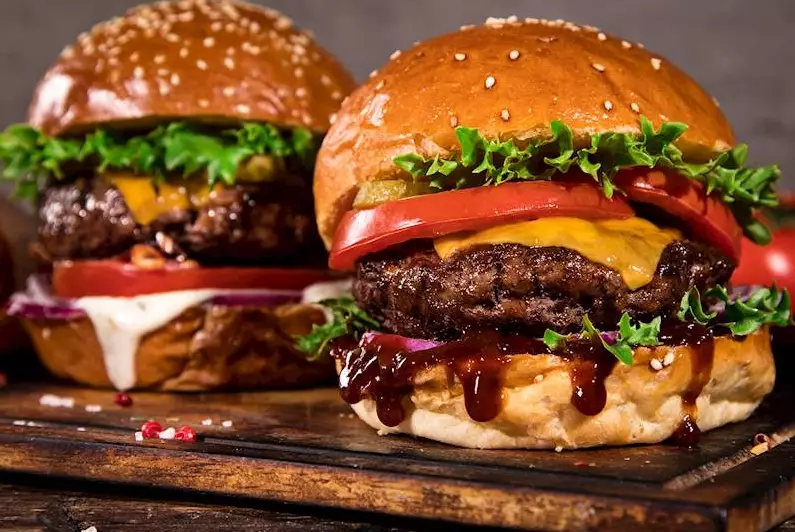
Debunking Myths: What American Food Really Is
There's a common belief that American food is all about oversized portions and unhealthy options. Not entirely true. Sure, you can find giant steaks, but there's a growing farm-to-table movement. Cities like Portland and San Francisco have chefs sourcing locally, creating dishes that rival European cuisine.
Another myth: it's bland. Actually, regional spices vary widely. Tex-Mex in the Southwest uses cumin and chili, while Creole food in Louisiana blends French, Spanish, and African flavors. I once had a gumbo in New Orleans that was so complex, it took me bites to identify all the herbs.
The key is to look beyond chain restaurants. Independent eateries often showcase innovation. For instance, the salad bar trend started in the US, and now you can find gourmet versions with kale and quinoa.
FAQ: Straight Answers to Your US Food Queries
American food is a journey. It's messy, diverse, and constantly changing. Whether you're biting into a juicy burger or savoring a bowl of gumbo, you're tasting a piece of history and innovation. So get out there and explore—your taste buds will thank you.


Comments
Leave a Comment