Let's be honest. When you search for an "American food list," you're probably picturing a burger, some fries, and maybe apple pie. That's a start, but it barely scratches the surface. American cuisine is a wild, wonderful story of immigration, regional ingredients, and pure comfort. It's the smoky brisket from Texas, the tangy clam chowder from Boston, the spicy gumbo from Louisiana, and the farm-fresh salad from California—all sharing one table.
This guide isn't just a list. It's your roadmap. We'll break down the iconic classics you must know, uncover the regional favorites that define a place, and—most importantly—give you the simple recipes to bring these flavors into your own kitchen. Forget complicated restaurant recreations. We're talking about achievable, delicious food that feels like home, wherever you are.
Your Quick Bite-Sized Guide
What Constitutes an American Food List?
Defining American food is like defining America itself—it's a blend. According to food historians, it's a cuisine built on adaptation. Early settlers brought European techniques, which then collided with Native American ingredients like corn, squash, and beans. Waves of immigration added layers: Italian pasta sauces, German sausages, Chinese stir-fry techniques adapted for local palates.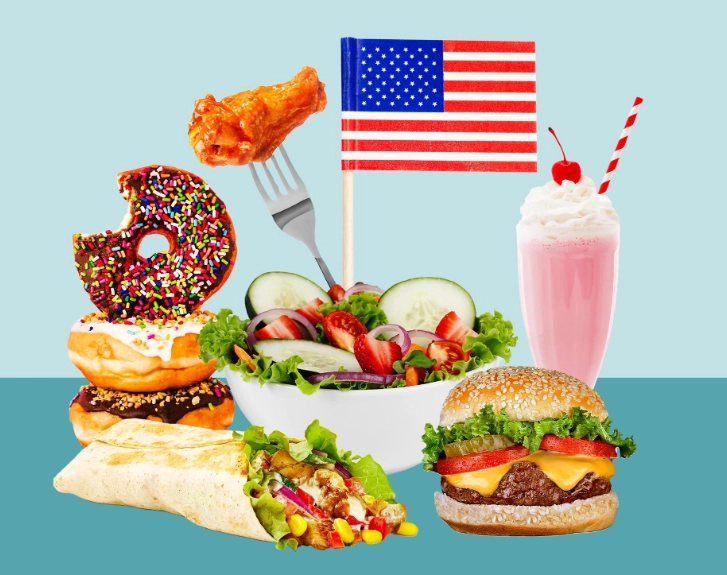
The result? A cuisine less about purity and more about practicality and flavor. It's often hearty, sometimes indulgent, and frequently centered around communal eating. Think backyard barbecues, Thanksgiving feasts, and diner counters. The common thread is accessibility. These dishes were made to feed families, celebrate harvests, and bring people together without requiring a chef's degree.
The Non-Negotiable Classics: Your American Food Starter Pack
These are the heavy hitters. The dishes that, if you haven't tried them, you haven't really engaged with American food culture. Here’s a breakdown of the essentials.
| Dish | Key Ingredients & Notes | Why It's Iconic | Difficulty (Home Cook) |
|---|---|---|---|
| The Hamburger | Ground beef patty, soft bun, cheese, lettuce, tomato, onion, pickles, condiments (ketchup, mustard, mayo). | The ultimate customizable, handheld meal. Symbolizes post-WWII prosperity and fast-food culture. | Easy |
| Apple Pie | Flaky pastry crust, sliced apples (like Granny Smith), sugar, cinnamon, butter. Often served with vanilla ice cream. | "As American as apple pie." Represents homesteading, harvest, and idealized nostalgia. | Medium |
| Macaroni and Cheese | Elbow macaroni, cheese sauce (cheddar is classic), butter, milk, sometimes a breadcrumb topping. | Pure comfort food. Evolved from a fancy dish to a Depression-era staple and boxed-kitchen favorite. | Easy |
| Fried Chicken | Chicken pieces, seasoned flour or batter, deep-fried. Buttermilk marinade is key for tenderness. | Southern roots with global appeal. Perfectly balances crispy, savory, and juicy textures. | Medium |
| Chocolate Chip Cookies | Flour, butter, brown/white sugar, eggs, vanilla, chocolate chips. The Toll House recipe is the origin story. | Perhaps the most beloved American dessert. The first cookie invented in the U.S., a happy kitchen accident. | Easy |
A quick tip most recipes won't tell you about burgers: the bun matters more than you think. A soft, slightly sweet potato bun or a sturdy brioche can elevate a good burger to greatness. Toasting it in the residual fat from the pan is a game-changer.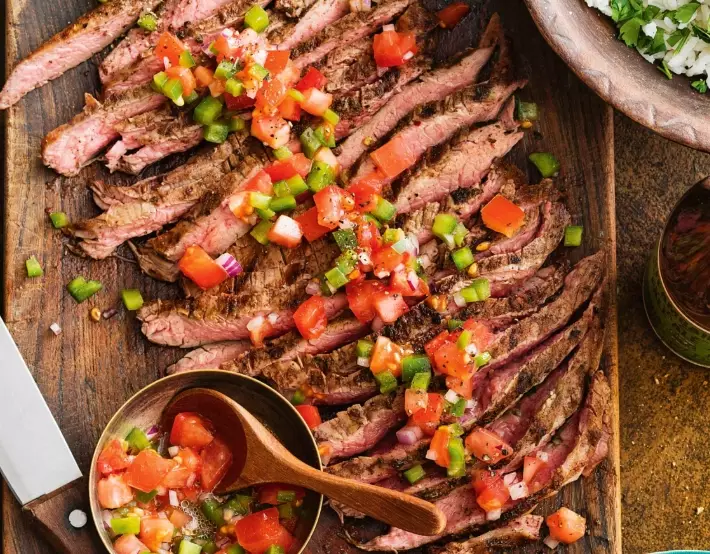
A Coast-to-Coast Regional Food Tour
This is where it gets exciting. America's size and history created distinct culinary pockets. Here’s a taste of what you'll find from region to region.
The Northeast
Think seafood and hearty staples. New England Clam Chowder (the creamy, white kind) is a must. A proper one uses quahog clams, salt pork, and cream. Then there's the Philly Cheesesteak: thinly sliced ribeye, fried onions, and Cheez Whiz or provolone on a long roll. The debate over which cheesesteak shop is best (Pat's vs. Geno's is for tourists; locals have other favorites) is a sport itself.
The South
Flavor is king here. Southern BBQ isn't one thing—it's a religion with different sects. Texas swears by beef brisket with a salt-and-pepper rub. The Carolinas fight over vinegar-based (Eastern NC) vs. mustard-based (South Carolina) pork sauces. Memphis loves dry-rubbed ribs. Then you have Shrimp and Grits, a creamy, savory breakfast-turned-dinner dish, and Biscuits and Sausage Gravy, the ultimate stick-to-your-ribs meal.
The Midwest
Often overlooked, but the heartland has gems. Chicago Deep-Dish Pizza is more like a cheesy tomato pie in a crust. It's a fork-and-knife affair. Hotdish is a Minnesota casserole, often with tater tots on top—the definition of potluck comfort. And you can't talk about the Midwest without mentioning corn, served on the cob, in bread, or as a sweetener.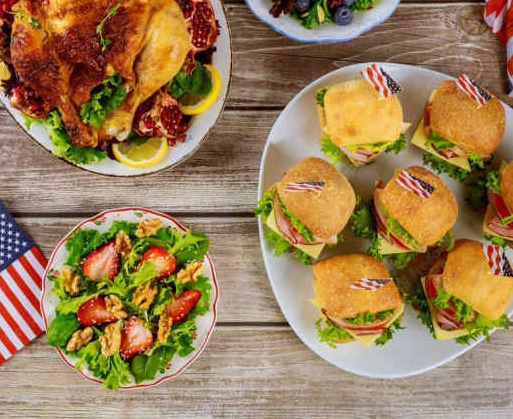
The West & Southwest
Fresh, bold, and influenced by Mexican cuisine. California Cuisine is all about fresh, local produce—think Cobb salads and fish tacos. In the Southwest, it's all about Tex-Mex: nachos, fajitas, and chili con carne. The Mission Burrito from San Francisco (massive, foil-wrapped, with rice inside) is a category of its own.
My Personal Take: Everyone talks about Tex-Mex or Southern food, but the most underrated regional cuisine might be from the Pacific Northwest. The focus on wild seafood (like salmon and Dungeness crab), foraged mushrooms, and berries creates a uniquely fresh and earthy flavor profile that's distinctly tied to its landscape.
5 Can't-Miss Recipes to Make at Home (No Fuss)
Reading about food is one thing. Making it is another. These recipes strip away the intimidation factor.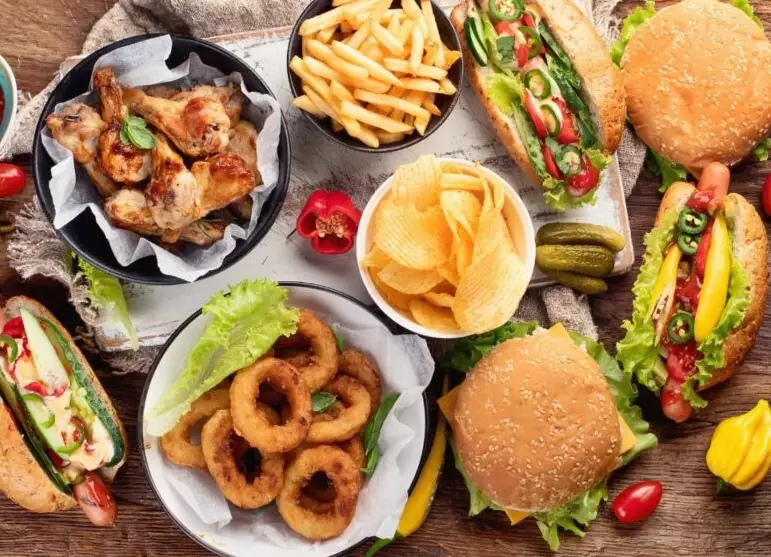
1. The Weeknight Smash Burger
Forget thick pub burgers. A smash burger is thinner, crispier, and packed with flavor. Form 4-oz balls of 80/20 ground beef. Heat a cast-iron skillet or griddle screaming hot. No oil needed. Place a ball on the skillet and immediately smash it flat with a heavy spatula. Season generously with salt and pepper. Cook for about 90 seconds until super crispy, flip, add a slice of American cheese (yes, it melts perfectly), and cook for another 30 seconds. Serve on a toasted bun with your favorite toppings. The key is the smash—it creates a craggy, caramelized crust that's pure magic.
2. "Better Than Boxed" Mac and Cheese
The secret is making a simple roux. Melt 4 tbsp butter, whisk in 1/4 cup flour, cook for 1 minute. Slowly whisk in 2.5 cups of whole milk until smooth. Let it thicken. Turn off the heat and stir in 2 cups of shredded sharp cheddar and 1 cup of Gruyère until melted. Season with salt, pepper, and a pinch of paprika. Mix with 1 lb of cooked elbow pasta. For the top, mix 1/2 cup panko breadcrumbs with 2 tbsp melted butter and sprinkle over. Bake at 375°F for 20 minutes until bubbly. It's creamy, not gloppy.
3. No-Fry "Oven-Fried" Chicken
Soak chicken pieces (thighs work best) in buttermilk with a dash of hot sauce for 4 hours or overnight. Mix 2 cups flour with 2 tsp each of salt, pepper, garlic powder, and paprika. Dredge the chicken, then place on a wire rack over a baking sheet. Drizzle or spray generously with oil (about 1/4 cup total). Bake at 400°F for 45-55 minutes until deep golden and cooked through. You get incredible crunch without the mess of a deep fryer.
4. Classic Chocolate Chip Cookies (The Chewy Kind)
Melt 1 cup (2 sticks) of unsalted butter. Let it cool slightly. Whisk with 1.5 cups brown sugar and 1/2 cup white sugar. Beat in 2 eggs and 2 tsp vanilla. Mix in 3 cups flour, 1 tsp baking soda, 1 tsp salt. Fold in 2 cups chocolate chips. This is crucial: Chill the dough for at least 24 hours. This hydrates the flour and deepens the flavor. Bake rounded tablespoons at 350°F for 11-13 minutes. Let them cool on the pan. They'll be soft, chewy, and perfect.
5. Simple New England-Style Clam Chowder
Dice 4 slices of bacon and cook until crisp. Remove bacon, cook 1 diced onion in the fat. Add 2 diced potatoes, cook 5 mins. Add 2 cups clam juice (from canned clams) and 1 cup water. Simmer until potatoes are tender. Add 2 cups heavy cream, the canned clams (chopped if large), and the bacon. Heat through, but don't boil. Season with salt, pepper, and a pinch of thyme. Thicken with a slurry of 1 tbsp cornstarch and water if needed. Serve with oyster crackers.
Tasting the Real Deal: Where to Find the Best Versions
If you're traveling or want the benchmark experience, here are a few legendary spots.
- For BBQ (Texas): Franklin Barbecue in Austin. Yes, the line is insane (4+ hours). Yes, it's worth it once for the benchmark brisket. Opens 11 AM, but people line up at 8 AM. Sold out daily. Plan accordingly. (~$30/lb for brisket).
- For a Cheesesteak (Philadelphia): Skip the rivalry corner. Head to John's Roast Pork or Dalessandro's. You'll get a better sandwich with less hassle. Expect to pay $10-$12.
- For Deep-Dish Pizza (Chicago): Lou Malnati's or Giordano's are the consistent giants. Lou's has a buttery crust; Giordano's is known for its stuffed pizza. A small feeds two. (~$25 for a small).
- For a Classic Diner Experience (Anywhere): Look for a local, non-chain diner with a long counter and vinyl booths. Order pancakes, a patty melt, or meatloaf. It's about the atmosphere as much as the food.
Your American Food Questions Answered
The beauty of an American food list is that it's never finished. It's a living thing, always absorbing new influences. The goal isn't to master every dish, but to understand the stories behind them and to find the ones that bring you joy—whether that's perfecting your cookie recipe or finally finding the best BBQ joint in your state. Now go cook something.




Comments
Leave a Comment