Talking about American food culture recipes often brings up images of fast food giants and oversized portions. But that's just the tip of the iceberg lettuce. The real story is a patchwork of regional traditions, immigrant influences, and dishes born from specific landscapes and histories. It's about the slow-smoked brisket in Texas, the creamy clam chowder in Boston, the spicy gumbo in Louisiana, and the fresh Cobb salad from Hollywood. This isn't just about eating; it's about understanding a culture through its pots and pans. Let's roll up our sleeves and get into the kitchen of America.
What's Inside?
The Regional Foundations of American Cooking
Forget a single "American" cuisine. Think of it as a culinary map. Each region has a personality shaped by geography, climate, and who settled there.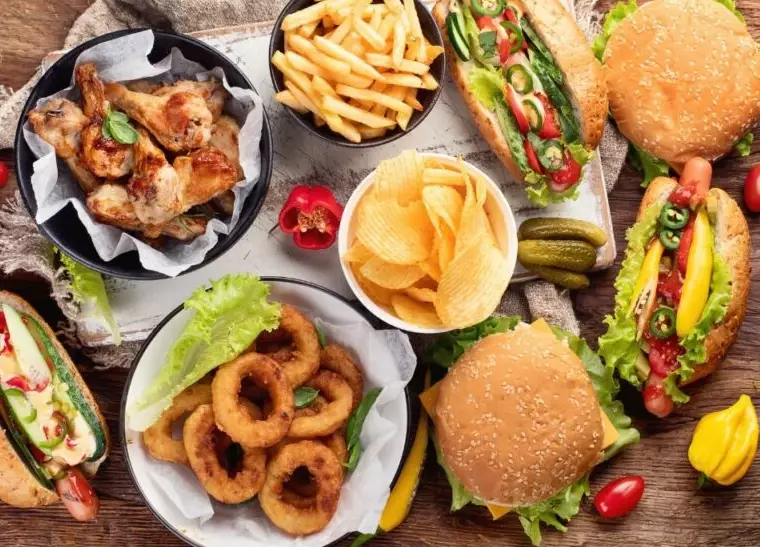
The American South: Low and Slow
This is the heart of comfort food. It's defined by technique: braising, frying, and most importantly, barbecue. Barbecue here isn't a verb for grilling hot dogs; it's a noun for meat transformed by wood smoke over hours. The divisions are serious. Eastern North Carolina uses a vinegar-pepper sauce. Western NC adds tomato. South Carolina has a mustard-based sauce. Memphis loves dry rubs on ribs. Texas is all about beef brisket with a simple salt-and-pepper bark. Trying to apply one style to another is a sure way to start an argument.
Then there are the staples: buttermilk biscuits, creamy grits, collard greens simmered with smoked pork, and fried chicken with a craggy, seasoned crust. The flavor profile is rich, often tangy, and deeply satisfying.
The Northeast: Seafood and Simplicity
Colder waters and a Puritan history of thrift created a different style. New England is famous for its chowders—creamy, briny soups packed with clams or fish. A proper New England Clam Chowder is white (tomatoes belong in Manhattan Chowder, a different beast). Lobster rolls, either lightly dressed with mayo or drenched in butter, are summer icons.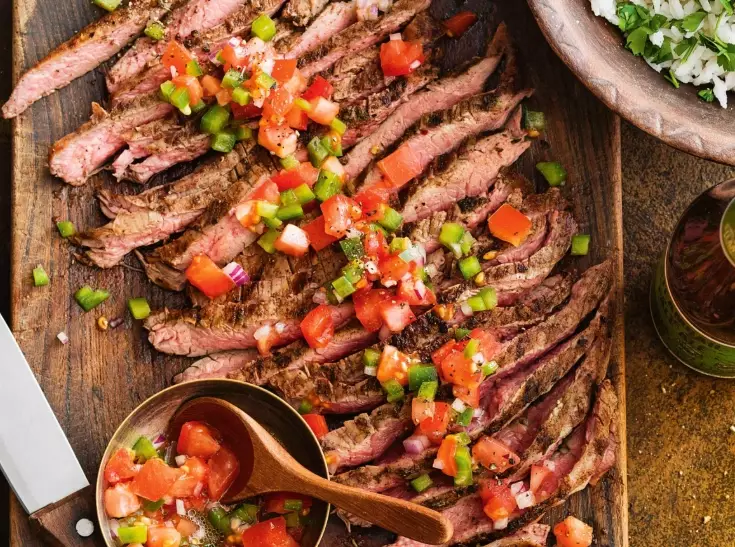
Further south, in New York, you get the immigrant explosion: Italian pasta, Jewish deli fare like pastrami on rye, and the birth of the New York-style cheesecake—dense, rich, and on a graham cracker crust.
The Midwest & The Southwest: Heartland and Heat
The Midwest is the land of casseroles (or "hotdishes" in Minnesota), potlucks, and meat-and-potatoes. It's hearty, no-fuss food designed to feed families and withstand winters. Think creamy tuna noodle casserole topped with potato chips, or the loose-meat sandwich known as the Maid-Rite.
Jump to the Southwest, and the palette changes completely. Here, Native American and Mexican traditions merge. It's about blue corn, pinto beans, green chiles (like in Hatch, New Mexico), and slow-cooked stews. Chili con carne, Tex-Mex enchiladas, and breakfast burritos are daily fare. The heat is a flavor, not just a sensation.
Iconic Dishes Deconstructed: Recipes & Context
Let's look at three recipes that tell a story. These aren't just instructions; they're explanations of why things are done a certain way.
1. The Perfect All-American Hamburger
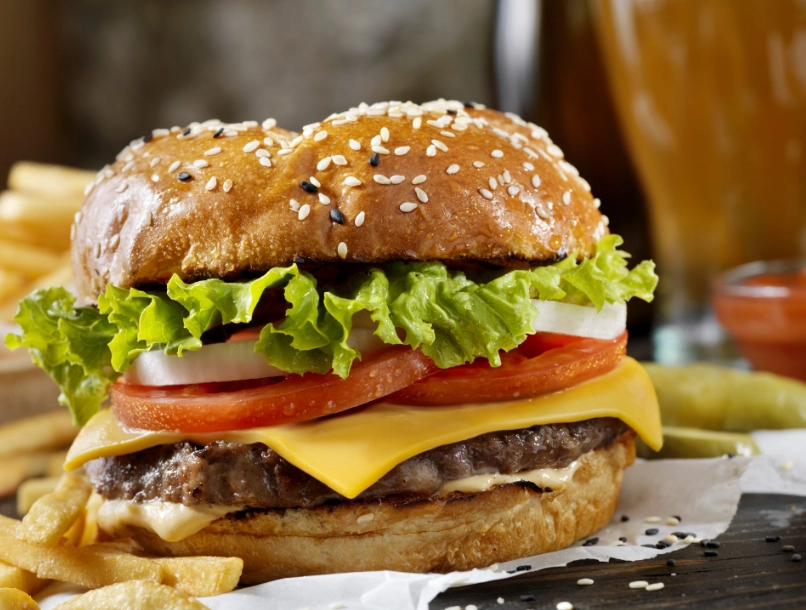
Everyone thinks they can make a burger. Most get it wrong. The biggest mistake? Using lean meat. You need fat for flavor and juiciness. An 80/20 blend (80% lean, 20% fat) of chuck is the gold standard. Don't overwork the meat—gently form it into loose patties, dimpled in the center so they don't puff up. Season aggressively with salt and pepper just before cooking, not mixed in.
2. Authentic New England Clam Chowder
The goal is silky, not gloppy. Start with salt pork or bacon for a base flavor. Cook diced onions in the fat. Use a combination of clam juice (bottled is fine), and diced potatoes. The clams—use chopped sea clams or cherrystones, adding them near the end so they don't toughen. The cream goes in last, warmed but never boiled. Thicken with a roux (cooked flour and butter) if you like it thicker, but many purists prefer just the starch from the potatoes. The debate over adding a splash of sherry is real; I say yes.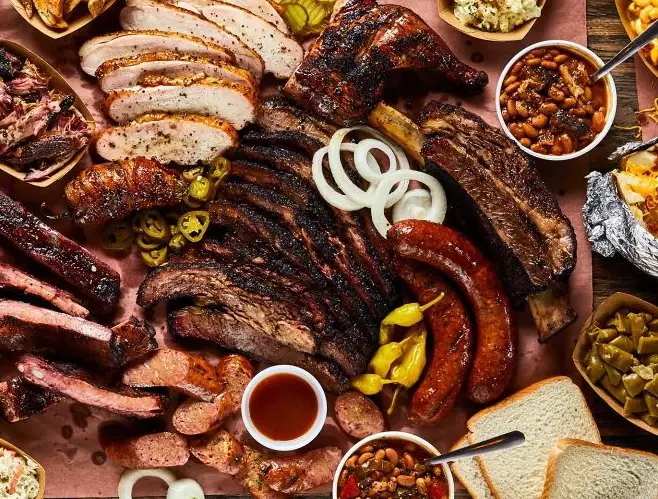
3. Southern Buttermilk Biscuits
The secret is cold fat and minimal handling. Use a low-protein flour like White Lily if you can find it. Cut very cold butter or lard (or a mix) into the flour until it looks like coarse crumbs. Use full-fat buttermilk. Mix until it just comes together—it will be shaggy. Pat it out, fold it over on itself a few times to create layers, then cut straight down with a sharp cutter. Don't twist. Bake in a very hot oven until golden. The result should be flaky, tender, and able to soak up sausage gravy without falling apart.
The National Phenomenon: Fast, Casual, and Everywhere
This is the part of American food culture the world knows best. The fast-food revolution standardized flavor and created new "recipes" that are now embedded in the culture.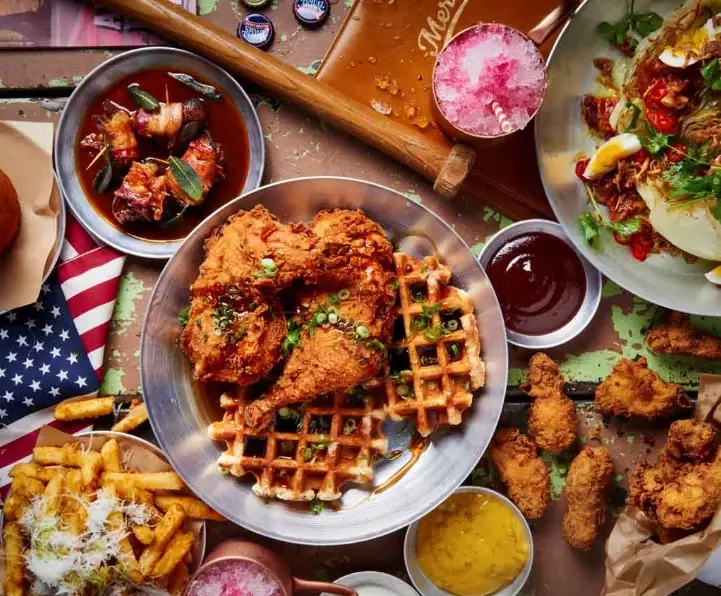
The drive-thru, the value meal, the secret sauce—it's a system of efficiency. But within that, specific items became icons. The McDonald's Big Mac sauce is famously a variation of Thousand Island dressing. The Wendy's square burger patty was meant to signal "fresh, never frozen." Taco Bell didn't try to be authentic Mexican; it created a new category of fast-food Tex-Mex with items like the Crunchwrap Supreme.
This culture also birthed the classic American diner. The menus are novels, offering everything from pancakes at midnight to meatloaf at noon. It's where you find the ultimate club sandwich, patty melt, and milkshake. The food is consistent, affordable, and deeply nostalgic.
How to Start Cooking American Food at Home
You don't need fancy equipment. You need the right mindset and a few key ingredients.
Build a Pantry: Get familiar with ingredients that pop up constantly: yellow mustard (different from Dijon), mayonnaise (Hellmann's/Best Foods is the standard), Worcestershire sauce, Frank's RedHot or another cayenne pepper sauce, Old Bay seasoning for seafood, chili powder (American blend, which includes cumin and garlic), and canned cream-style corn for casseroles.
Master a Few Techniques:
- Pan Frying: For chicken, fish, or potatoes. The key is maintaining oil temperature and letting the coating set before moving it.
- Slow Cooking/Braising: Essential for pot roast, pulled pork, and Boston baked beans. Low heat for a long time breaks down tough cuts.
- Grilling & Barbecuing: Grilling is direct, high heat. True barbecue (smoking) is indirect, low heat (225-275°F) with wood smoke. Start with a simple grilled burger before attempting a 12-hour brisket.
Start with a Theme Night: Don't try to cook everything. Do a "Southern Night" with fried chicken, collard greens, and biscuits. Or a "New England Night" with clam chowder and a simple boiled lobster. It makes the process fun and educational.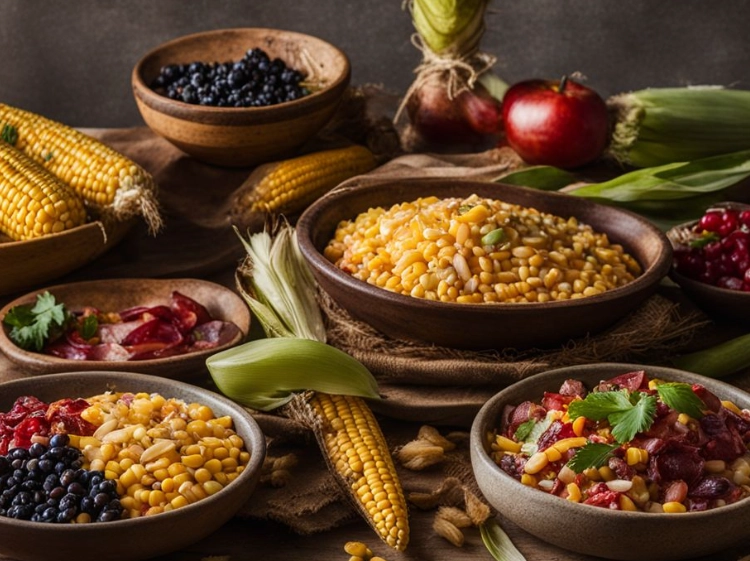



Comments
Leave a Comment