Let's cut through the noise. Ask ten people the best time to visit Yellowstone, and you'll get ten different answers: summer for the weather, fall for the colors, winter for the solitude. They're all right, and they're all wrong. The truth is, there's no single "best" time. There's only the best time for you, based on what you hate (crowds? cold?), what you love (wolf sightings? steaming geysers in subzero air?), and what you're willing to trade.
I've lost count of my trips there over the years. I've been stuck in bumper-to-bumper traffic near Norris in July, and I've stood alone in the silent, frozen wonderland of Mammoth Hot Springs in February. Based on that, if you held a gun to my head and forced me to pick one perfect month, I'd say September. But that's my preference—fewer people, active wildlife, golden landscapes. Your perfect time might be completely different.
Your Quick Guide to This Article
The Raw Truth: A Season-by-Season Breakdown
Forget vague descriptions. Here’s exactly what you’re signing up for in each season, with the good, the bad, and the muddy.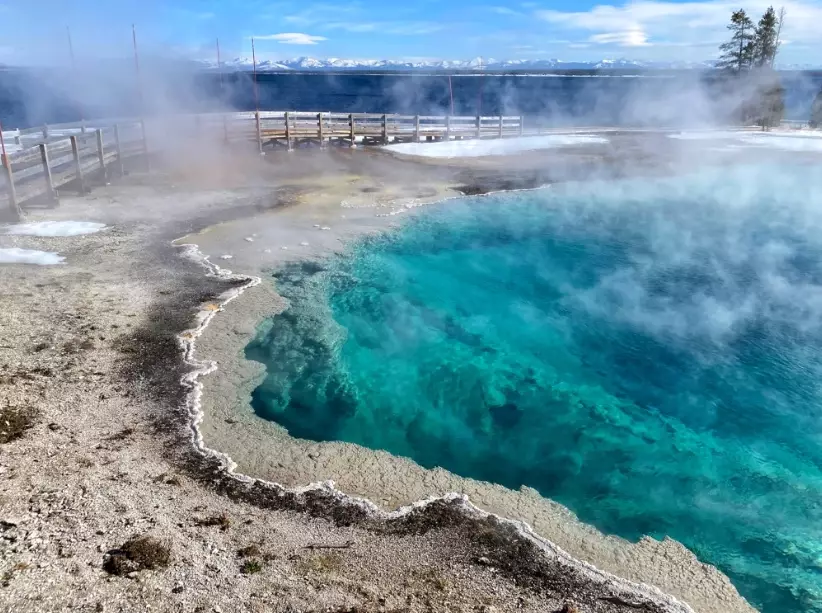
| Season | When | Pros (The Good Stuff) | Cons (The Reality Check) | Vibe & Who It's For |
|---|---|---|---|---|
| Spring | Late April - Early June | Baby animals everywhere (elk calves, bison calves). Lower crowds until Memorial Day. Dramatic, powerful runoff at waterfalls. The park feels raw and awakening. | Unpredictable weather: snow, rain, sunshine all in one day. Many high-elevation roads (like Dunraven Pass to Canyon) are still closed until late May. Services are limited. Can be very muddy. | The adventurous, flexible traveler who doesn't mind weather and wants a front-row seat to new life. Photographers seeking dramatic skies. |
| Summer | Late June - August | All roads, trails, lodges, and visitor centers are open. Predictably warm (often 70s-80s°F) and sunny days. All activities available (hiking, boating, ranger programs). | Extreme crowds. Traffic jams are normal. Parking at major sites (Grand Prismatic, Old Faithful) is a competitive sport. Lodges book up a year in advance. Higher prices. | First-timers who want the full, accessible experience and families locked into school schedules. Requires patience and advanced planning. |
| Fall | September - October | Crowds plummet after Labor Day. Wildlife is hyperactive (the "rut" for elk and bison). Stunning golden aspen and cottonwood colors. Crisp, comfortable weather. | Weather turns quickly; snow can fall anytime. Some services (lodges, restaurants) start closing in early October. Days get shorter. | My personal favorite. Ideal for wildlife enthusiasts, photographers, and hikers who want tranquility and spectacular scenery. |
| Winter | November - March | A surreal, quiet, magical landscape. Geyser steam hangs thick in the cold air. Excellent wildlife viewing along the Northern Range. No crowds. Unique access via snowcoach or snowmobile. | Extremely limited access. Most roads are closed to regular cars. Only the road from Mammoth to Cooke City is plowed. Bitterly cold temps (often below 0°F). Expensive guided tours are required for most travel. | Intrepid souls seeking a once-in-a-lifetime, quiet experience. Snow sports enthusiasts and serious wildlife watchers (wolf spotting is prime). |
See what I mean? Summer's convenience comes with a massive people tax. Winter's solitude comes with a cold-weather and access tax. There's always a trade-off.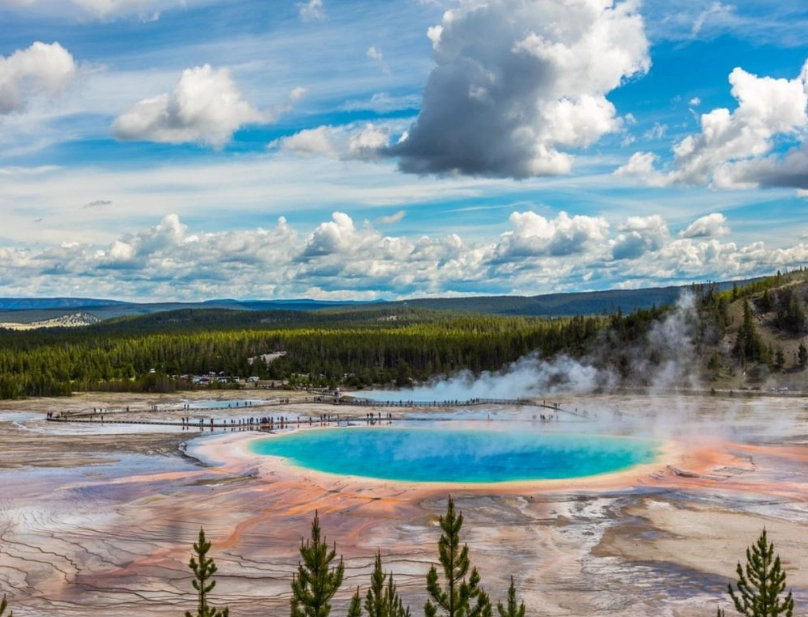
The Overlooked Sweet Spot: Late May
Most guides just say "spring." Let's get specific. The two-week window after Memorial Day but before mid-June is a secret hack. Why? The massive summer crowds haven't fully arrived yet, but almost all the park roads, including the critical Dunraven Pass connecting Tower-Roosevelt to Canyon Village, are usually open. You get better accessibility than in April, with fewer people than in July. The catch? You must be ready for anything, weather-wise. I've hiked in a t-shirt one day and driven through a snow squall the next.
The Crowd Calendar Isn't Straightforward
Here's a non-consensus point: everyone says July and August are the busiest. True. But the single busiest week is often the last week of July through the first week of August. If you must go in summer, target early June or late August to shave off a significant percentage of the human traffic. Check the National Park Service website for exact opening dates of roads; they change yearly based on snowpack.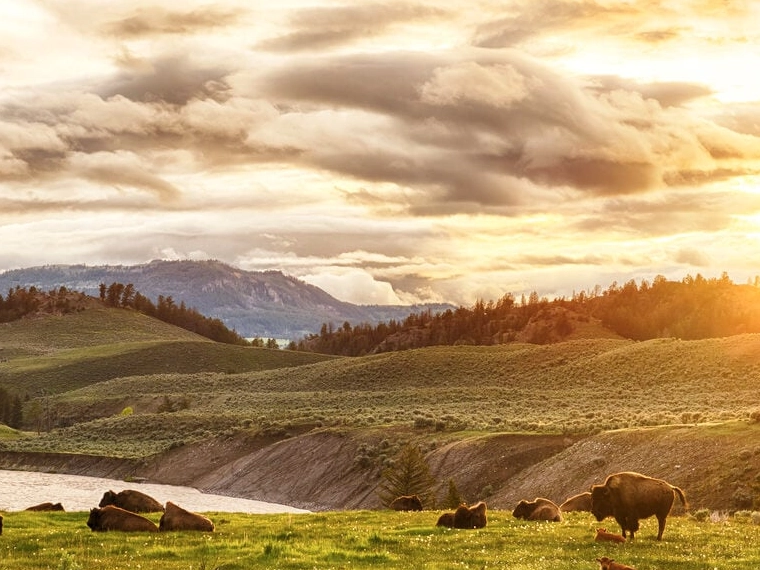
How to Pick Your Perfect Time (A Decision Framework)
Stop asking "when is best?" Start asking yourself these questions.
What's your #1 priority?
- Wildlife Above All: Choose Fall (September-October) for the rut and active predators, or Late Spring (May-June) for newborns. Winter is also stellar for wolves and bison along the Northern Range.
- Absolutely No Crowds: Choose Winter (prepare for guided travel) or the shoulder weeks of late October or early May (prepare for weather and closures).
- Hiking Every Trail: You need full access. Choose Summer (July-August), but hike early in the morning and target lesser-known trails.
- Photography: Fall for color and wildlife, Winter for unique atmosphere, Spring for dramatic weather and baby animals.
- Family Trip with Kids: Summer offers the most predictable, activity-filled experience, despite the crowds. Book everything now.
Your tolerance matters. Can you handle 15°F temperatures if it means seeing a wolf pack cross a snowy road? Or do you prefer a comfortable 75°F day, even if it means sharing the sight with 200 other people? There's no wrong answer, just self-awareness.
Critical Tips That Work for Any Season
Whenever you go, these strategies are non-negotiable.
Booking Lodging: The Golden Rule. This is the biggest practical hurdle. Lodges inside the park (Old Faithful Inn, Canyon Cabins, etc.) are managed by Yellowstone National Park Lodges and reservations open exactly one year in advance. Dates for peak summer sell out within days, sometimes hours. Mark your calendar. For hotels in gateway towns (West Yellowstone, Gardiner), book at least 6-9 months ahead for summer and fall.
Getting Around: The Traffic Hack. The park's main roads form a figure-eight "Grand Loop." Traffic is worst between 10 am and 4 pm. Your mission: be on the road by 7:30 am. You'll see more wildlife, get parking, and enjoy sites in relative peace. Return to your lodge or hike during the midday rush, then head out again after 5 pm.
Entrance Fees & Passes: A private vehicle pass is $35 (valid 7 days). If you visit more than two national parks in a year, just buy the America the Beautiful Annual Pass for $80. It's a no-brainer. Purchase it at any entrance station.
Don't Wing It. Especially in winter and spring, check the official Yellowstone Current Conditions page for road closures, weather alerts, and construction. A closed road can ruin an itinerary.
Your Yellowstone Timing Questions, Answered
So, what's the best time to visit Yellowstone? It's the time that aligns with your personal wildlife wishlist, your crowd tolerance, and your sense of adventure. For me, that's a crisp September morning in the Lamar Valley, coffee in hand, waiting for the wolves to appear. For you, it might be the bustling, sunny energy of a July day at Old Faithful with your family. Now that you have the real breakdown, you can decide.


Comments
Leave a Comment