Figuring out what to eat for dinner in America can be surprisingly tough. The options feel endless. Do you go for a timeless burger, try that new fusion bowl everyone's talking about, or finally attempt a homemade version of a diner classic? This list is here to cut through the noise. We're covering the bedrock American dinner foods, the modern plates redefining the scene, and crucially, how to navigate menus and build a satisfying meal—whether you're cooking at home or eating out.
Your Quick Guide to American Dinners
The Classic American Dinner Foods (The Foundation)
These are the dishes that define the American dinner table. They're about comfort, familiarity, and often, generous portions. Don't think of them as boring—think of them as the essential vocabulary.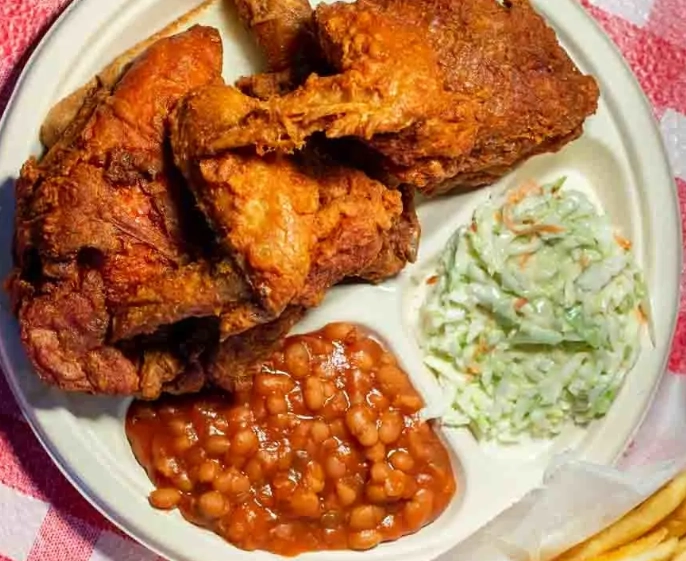
| Dish | What It Is & Why It's Classic | Classic Pairings / Notes |
|---|---|---|
| The All-American Burger | Ground beef patty on a bun. The test of a good kitchen. A great burger balances juicy meat, melted cheese, crisp veggies, and a soft, slightly toasted bun. | French fries, onion rings, coleslaw, pickle spear. Skip the fancy brioche if it's too sweet for the meat. |
| Steak Dinner | A centerpiece protein, often ribeye, strip, or filet mignon. It's a celebration meal or a treat. The quality of the meat and the precision of the cook (rare, medium-rare) are everything. | Loaded baked potato, creamed spinach, asparagus, house salad with blue cheese dressing. |
| Barbecue (BBQ) Platter | Slow-smoked meats (pulled pork, brisket, ribs) regional styles (Texas, Carolina, Kansas City). It's less a dish and more a culinary culture focused on smoke, rubs, and sauce. | Baked beans, collard greens, mac and cheese, white bread, pickles. Sauce on the side is a purist's move. |
| Fried Chicken Dinner | Brined, seasoned, battered, and deep-fried chicken. The pinnacle of crispy, juicy contrast. Can be bone-in for flavor or tenders for ease. | Mashed potatoes & gravy, biscuits with honey, corn on the cob, waffles (for chicken & waffles). |
| Meatloaf & Mashed Potatoes | Home cooking epitomized. Seasoned ground meat loaf, often glazed, served with creamy mashed potatoes. It's about nostalgia and hearty satisfaction. | Green beans, corn, a thick brown gravy over everything. Leftovers make legendary sandwiches. |
| Pot Roast | Another slow-cooked, one-pot wonder. Tough beef cut becomes tender in a braise with carrots, potatoes, and onions. Sunday dinner vibes. | The cooking liquid becomes the gravy. A crusty bread for soaking is non-negotiable. |
My personal take? The biggest mistake with classics is ignoring the sides. A dry, underseasoned steak can be saved by phenomenal creamed spinach and a perfect baked potato. Conversely, a great burger with soggy, cold fries feels like a letdown. The plate is a team effort.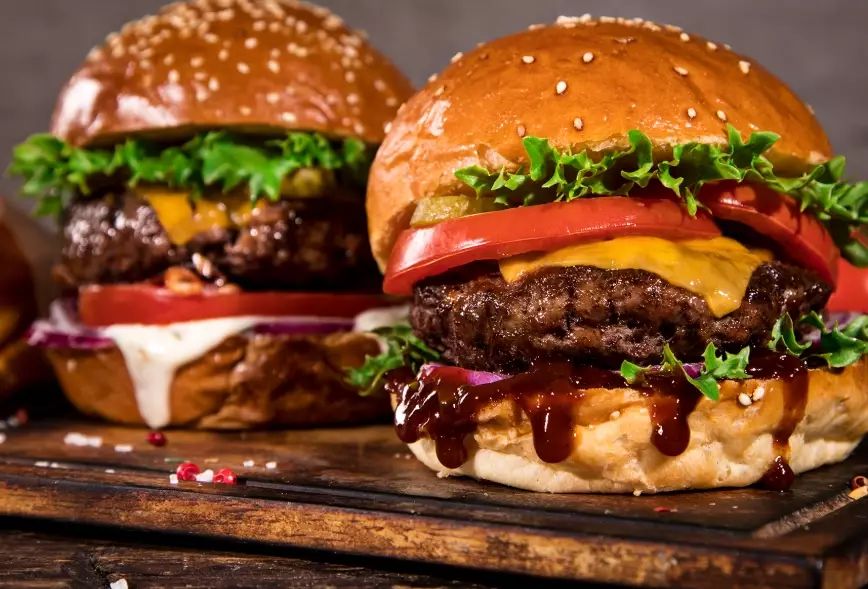
Modern American Dinner Trends & New Classics
American dinner didn't freeze in the 1950s. Today's menus reflect global influences, health consciousness, and a focus on bold, layered flavors. Here’s what you're likely to see now.
The Bowl Trend. It's everywhere for a reason. It's customizable, often healthier, and feels complete. Think a base (rice, quinoa, greens), a protein (grilled chicken, salmon, tofu), lots of veggies, a crunch element (nuts, seeds), and a killer sauce. The "Harvest Bowl" with roasted squash, kale, farro, and tahini is a modern staple.
Global Mash-Ups. Korean BBQ tacos. Ramen burgers. Curry chicken pot pie. American chefs freely borrow and blend, creating exciting hybrids. This isn't "fusion" in a dated sense—it's often a very thoughtful integration of techniques and flavors.
Vegetable-Forward Plates. The veggie is no longer just a side. Entrees like a whole roasted cauliflower with romesco sauce, or a wild mushroom ragout over polenta, are designed to be satisfying centerpieces. Even steakhouses now have impressive vegetarian options.
Shareable & Small Plates. Dining has become more social. Instead of one person, one entree, tables order a spread of smaller dishes: crispy brussels sprouts, burrata with heirloom tomatoes, short rib sliders, tuna poke. It's a great way to try more flavors.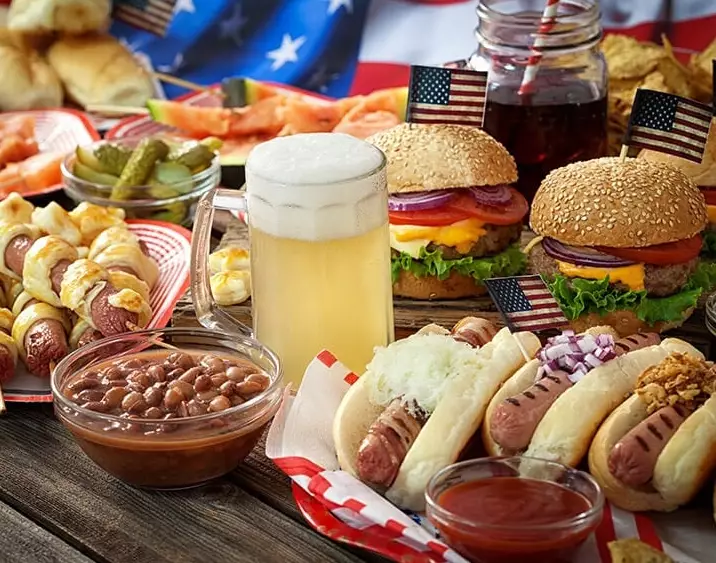
Expert Slant: With modern trends, the sauce is the secret weapon. That green goddess dressing on your bowl, the gochujang aioli on your taco, the lemon-tahini drizzle on your roasted veggies—they're flavor engines. Don't be shy to ask for extra on the side. A dull sauce can flatten an otherwise creative dish.
How to Build a Balanced American Dinner Plate
American portions are famously large, which can lead to a carb-heavy, veggie-light plate if you're not careful. Here’s a simple framework, whether you're at a diner or a fine-dining spot.
The 50/25/25 Guideline (Roughly):
- 50% Vegetables & Greens: This is the area most plates lack. Double the side salad, ask for extra grilled asparagus, or start with a veggie-based soup. At a BBQ joint, that means prioritizing the collard greens and coleslaw alongside the meat.
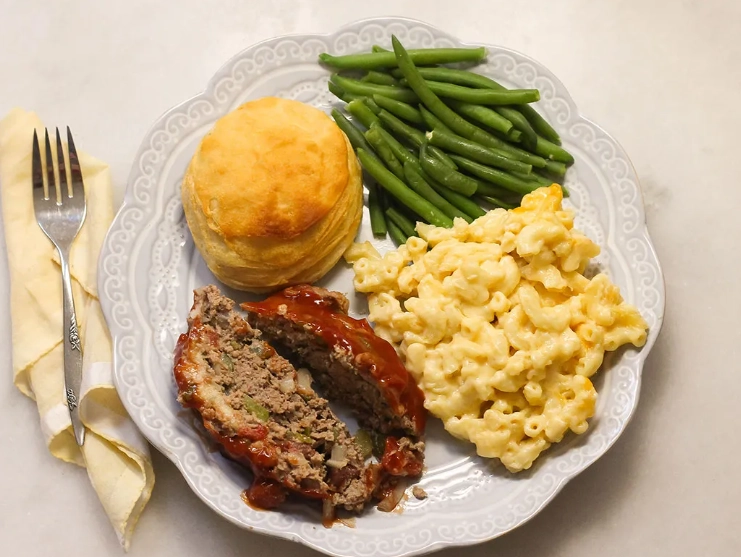
- 25% Protein: Your burger patty, steak, chicken breast, fish filet, or plant-based protein. A deck-of-cards size is a good visual, but with shared plates, you can have less.
- 25% Starch or Grain: Fries, mashed potatoes, rice, mac and cheese, a bun. This is the comfort anchor. The key is to not let this section creep onto the vegetable real estate.
This isn't a rigid rule. Sometimes dinner is just a fantastic pizza and a salad. But using this as a mental checklist helps create meals that are satisfying without being overly heavy.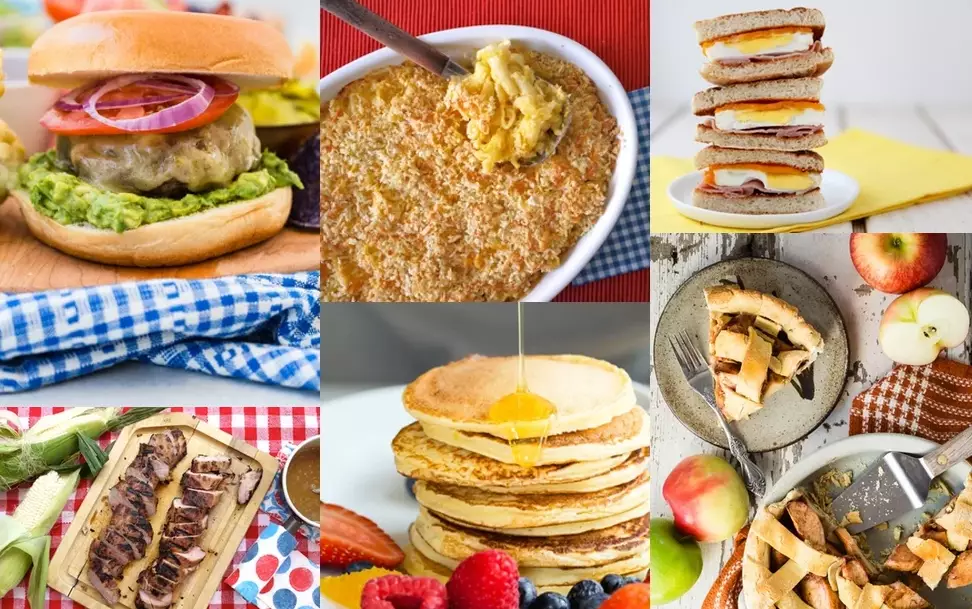
Common Mistakes When Ordering American Food (And How to Avoid Them)
After a decade of eating my way across the country, I've seen the same pitfalls trip people up.
Mistake 1: Ordering an entree, two heavy sides, and an appetizer. You will have leftovers for days. Most American entrees are substantial. If you want an appetizer, consider splitting a lighter entree or skipping a starchy side.
Mistake 2: Not asking how items are served. Is the salad already dressed? (Often it's drenched). Are the fries skinny or steak-cut? (Cooking time and crispiness differ). Does the "fish of the day" come with a sauce? A quick question prevents disappointment.
Mistake 3: Ignoring the daily specials board. This is often where chefs test new ideas or highlight super-fresh ingredients. It can be the most interesting thing on the menu.
Mistake 4: Assuming "spicy" means one level. American spice levels are wildly inconsistent. "A little kick" could be black pepper or could be habanero. Always calibrate by asking, "Compared to a jalapeño, how spicy is it?"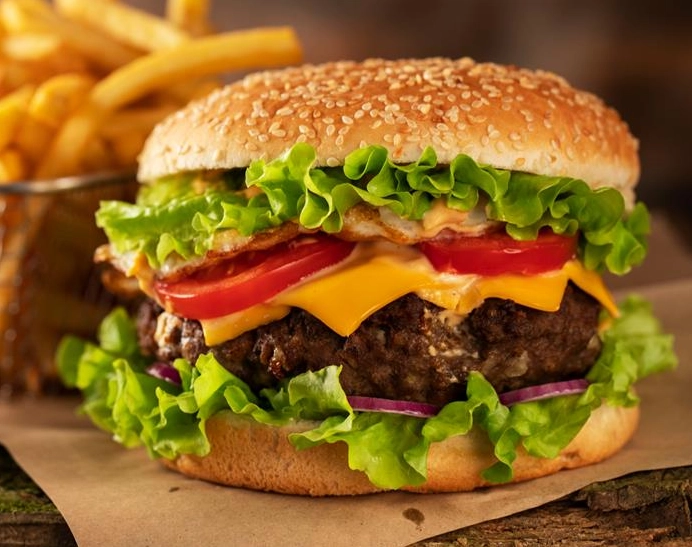
Specific Restaurant Picks for an Authentic Taste
Let's get concrete. Here are a few standout spots across the country that execute their niche brilliantly. This isn't just a list of famous names; it's about where the food truly delivers on the promise.
For a Classic Steakhouse Experience: Peter Luger Steak House in Brooklyn, NY. Yes, it's an institution. The porterhouse for two (or more) is the only way to go. It's served sizzling, pre-sliced, with their legendary steak sauce. Cash only, and the attitude is part of the charm. Expect to spend about $150+ per person. Go for dinner, but know it's loud and bustling, not a quiet date spot.
For Modern American Brilliance: Canlis in Seattle, WA. This is a special occasion destination with panoramic views. Their tasting menu is a masterclass in Pacific Northwest ingredients presented with innovative technique. Think smoked sablefish with fermented celery, or lamb with morels and green garlic. Tasting menus start around $185 per person. Jackets are required for men—it's that kind of place.
For Unbeatable Regional BBQ: Franklin Barbecue in Austin, TX. You've heard about the line. It's real. The brisket—with its profound smoke ring, peppery bark, and melt-in-your-mouth texture—is considered by many (including the James Beard Foundation) to be the best. They open at 11am and sell out. Go for lunch, bring a chair, and make friends in line. A pound of brisket runs about $34. It's a pilgrimage for meat lovers.
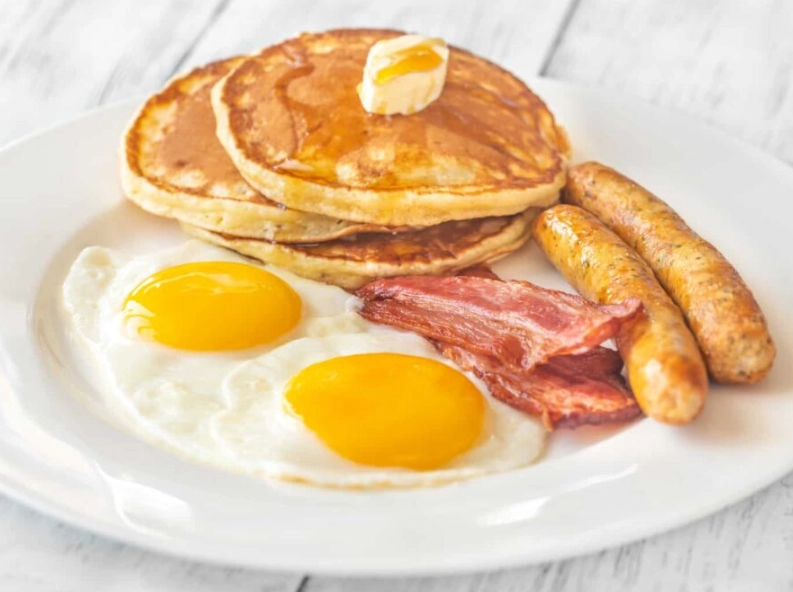
For the Quintessential Diner Meal: Benu in San Francisco, CA. Just kidding. Go to Bubby's in Tribeca, NYC. Open 24 hours on weekends, it nails the high-end diner feel. Their buttermilk pancakes are fluffy clouds, the meatloaf is stellar, and the pies are homemade. A full dinner entree will cost $25-$35. It's consistently good, not just a tourist trap.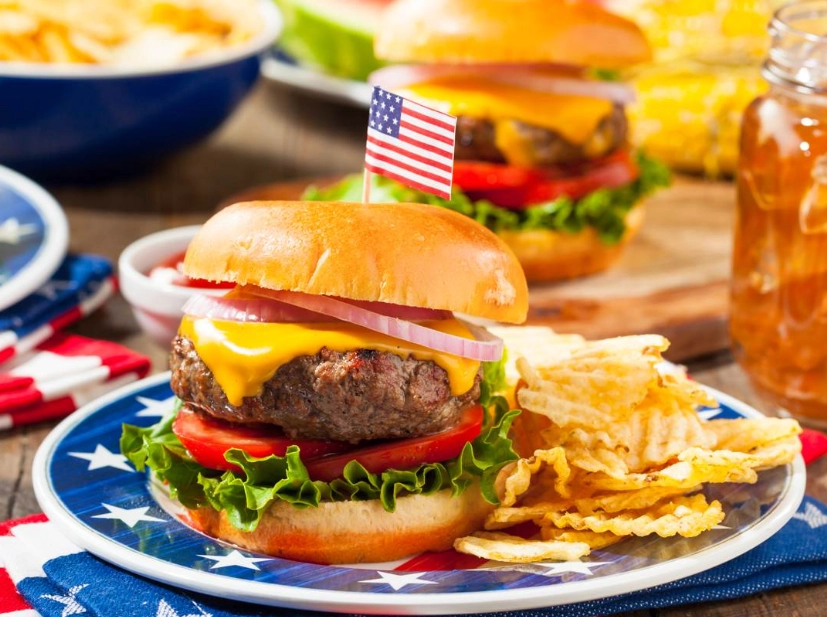




Comments
Leave a Comment