Ask someone to name American traditional food, and you'll likely hear "hamburgers and hot dogs." It's not wrong, but it's like describing the ocean as "wet." You're missing the depth, the currents, the entire ecosystem. America's food tradition isn't a monolith; it's a living, breathing story of immigration, adaptation, regional pride, and constant reinvention. Forget the clichés for a moment. Let's talk about the dishes that families actually argue over at holidays, the meals that define a place, and where you can go right now to taste the real deal.
What You'll Discover in This Guide
Redefining "Traditional" in the American Kitchen
Here's the non-consensus part: American food tradition is less about specific dishes and more about a process. It's the process of taking something from somewhere else—Italian pasta, West African okra, German sausages—and, over generations, making it work with what's here, for the people who are here. The result isn't "inauthentic." It's something new. It's American.
Think about meatloaf. Its ancestry is European, but the version your midwestern grandma makes, glazed with ketchup and served with mashed potatoes? That's a 20th-century American creation born from convenience, canned goods, and home economics. That's tradition. Or consider the humble casserole. It's a vehicle for leftovers, a community dish for potlucks, and a testament to the post-war era's love for canned soup and frozen vegetables. It may not be glamorous, but it's deeply woven into the fabric of home cooking.
The mistake most food lists make is stopping at the commercialized, chain-restaurant versions. The real tradition lives in diners, church suppers, family reunions, and regional joints that have resisted changing their menu for 50 years.
Key Insight: If you want to understand American food, look for the dishes that spark a debate. Is proper chili made with beans or without? (Texas says no beans). What's the right meat for a Philly cheesesteak? (Ribeye, always). Does cornbread have sugar in it? (This question can end friendships). These debates are the sign of a living culinary tradition.
The Unbeatable Regional Icons
Forget a single national dish. America is a union of distinct food nations. Here are a few pillars, the dishes that truly define their corners of the country.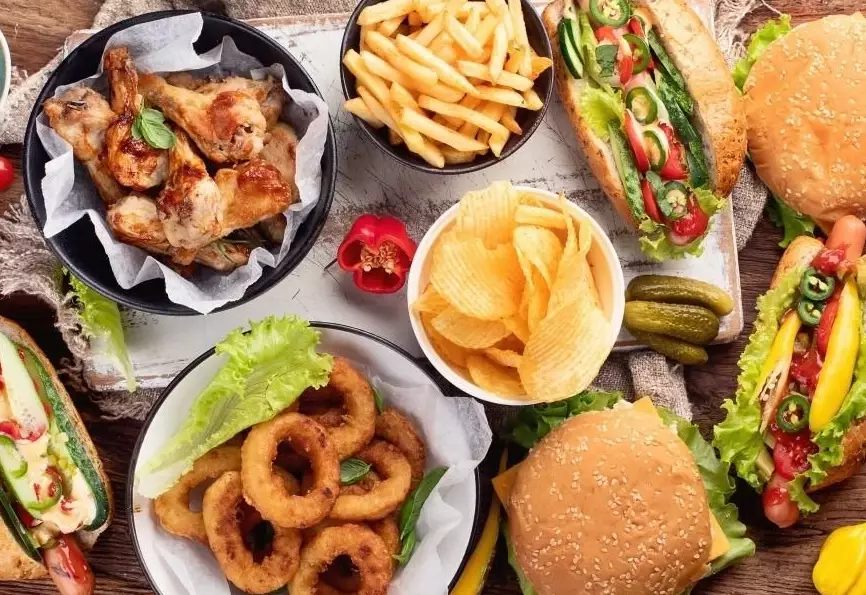
The Northeast: Chowder and the Italian-American Legacy
New England Clam Chowder (the creamy, white kind) is a tradition born from necessity—clams, potatoes, salt pork, milk. It's hearty, simple, and perfect. But just as traditional in cities like New York and Boston is the entire canon of Italian-American food. Dishes like Chicken Parmesan, baked ziti, and meatball subs were created by immigrants adapting Old World recipes to New World ingredients and tastes. They're not served in Italy, but they're a cornerstone of American family dining.
The South: A Cuisine Built on Technique
Southern food is America's most celebrated regional cuisine for a reason. Its tradition is built on foundational techniques: braising, frying, and baking. It's also a direct link to West African, Native American, and European cooking.
You can't talk about Southern tradition without smoked barbecue. In Texas, it's beef brisket smoked for over 12 hours. In the Carolinas, it's whole hog, pulled and dressed with a vinegar-based sauce. In Memphis, it's pork ribs. Each style has its own rules, wood preferences, and sauce philosophies. It's slow food, community food, and it's fiercely territorial.
Then there's the holy trinity of Cajun/Creole cooking in Louisiana: onion, celery, and bell pepper. Gumbo and jambalaya are the ultimate one-pot traditions, simmering for hours with andouille sausage, seafood, and the magic of a dark roux.
The Midwest: Comfort Food and Church Basements
This is the heartland of casseroles, Jell-O salads (a bizarre but persistent tradition), and the hotdish. A hotdish is essentially a casserole, but the term itself is tradition in states like Minnesota. Tater Tot Hotdish—ground beef, cream of mushroom soup, corn, topped with tater tots—is a staple of potlucks and family dinners. It's unpretentious, filling, and loved.
Also, don't sleep on the Friday night fish fry, a tradition in German Catholic communities across the Midwest. It's beer-battered cod or perch, coleslaw, rye bread, and a side of potato pancakes.
The Southwest: Where Native and Mexican Cuisine Merge
Before it was the United States, it was Mexico. Before that, it was home to Native Pueblo peoples. The traditional food here—like posole, green chile stew, and fry bread—reflects that layered history. New Mexican cuisine, in particular, revolves around the Hatch green chile, roasted and used in everything from stews to burgers. It's a flavor you won't find anywhere else.
Where to Eat: A Shortlist of Authentic Spots
Reading is one thing. Eating is another. Here are a few institutions where these traditions are kept alive. These aren't fancy spots; they're the real deal.
1. Katz's Delicatessen, New York City
Address: 205 E Houston St, New York, NY 10002
The Tradition: The Jewish deli. This is where you go for pastrami on rye that's hand-carved, piled impossibly high, and served with a giant pickle. It's noisy, chaotic, and perfect. The pastrami is brined, smoked, and steamed for days. A sandwich will run you about $25, but it's a meal for two. Cash is preferred.
Go for: The Pastrami on Rye. Don't even look at the menu.
My take: Yes, it's touristy. No, that doesn't matter. The quality hasn't dipped. Get there early to avoid the worst lines.
2. Franklin Barbecue, Austin, Texas
Address: 900 E 11th St, Austin, TX 78702
The Tradition: Central Texas-style barbecue. This is the Mecca. The brisket is the star—a black-peppery bark giving way to meat so tender it jiggles. They open at 11am, but people start lining up at 8am (or earlier). They sell out every day.
Go for: The brisket (by the pound), ribs, and sausage. Get the potato salad and beans as sides.
Pro-tip: The line is part of the experience. Bring a chair, some beers, and make friends. Or, order 5+ pounds of meat ahead online for pickup—it's the only way to skip the line.
3. Café du Monde, New Orleans, Louisiana
Address: 800 Decatur St, New Orleans, LA 70116
The Tradition: The French-style café au lait and beignets. Open 24/7 since 1862. It's always busy. You sit at green-and-white tables, order café au lait (chicory coffee with hot milk) and a plate of three hot, powdered-sugar-drenched beignets (square doughnuts without the hole). It's about $5 for the set.
Go for: The classic beignet experience. It's messy, sweet, and essential.
Warning: Inhale while eating a beignet and you'll be in a coughing fit of powdered sugar. Consider it a rite of passage.
The Ultimate Tradition: The American Holiday Table
If you want to see American tradition concentrated, come for Thanksgiving. This meal is non-negotiable. The core menu is remarkably consistent across most of the country:
The Roast Turkey: The centerpiece, often brined or dry-rubbed. The big debate is stuffing vs. dressing (cooked inside the bird vs. baked separately).
Mashed Potatoes & Gravy: Creamy, buttery potatoes drowned in rich turkey gravy.
Green Bean Casserole: The Campbell's Soup Company recipe from 1955. Fresh or canned green beans, cream of mushroom soup, topped with French's fried onions. It's a mid-century classic that stuck.
Cranberry Sauce: The jellied, canned version sits beside homemade, chunky relishes. Both have their devotees.
Sweet Potato Casserole: Often topped with marshmallows or a pecan streusel. It's dessert masquerading as a side dish.
Pumpkin Pie: The definitive finish, with whipped cream.
This meal isn't about innovation. It's about replication—making the same dishes your mom made, which her mom made. The variations are minor but fiercely defended. It's the closest thing America has to a universal food ritual.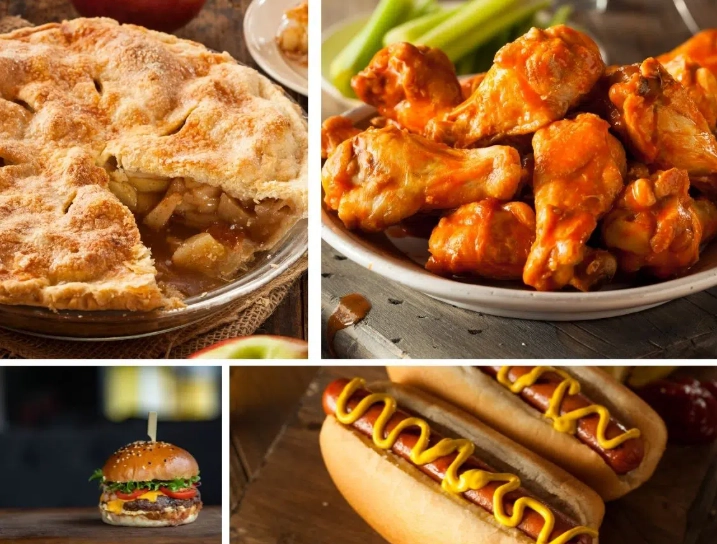
Your Questions, Answered
So, what is America's traditional food? It's a story on a plate. It's the German pork chop in Milwaukee, the Vietnamese pho in Houston, the Polish pierogi in Cleveland, and the Mexican tacos in Los Angeles—all now undeniably American. It's the Thanksgiving turkey, the Texas brisket, the Louisiana gumbo, and the New York slice. The tradition isn't static; it's a conversation. And the best way to join is to pull up a chair and take a bite.



Comments
Leave a Comment