Quick Packing Guide
- The Foundation: Travel Documents and Money
- What to Wear: Conquering the American Climate
- Gadgets, Adapters, and Staying Connected
- Health, Toiletries, and Medications
- The Often-Forgotten Essentials & Cultural Comforts
- Packing Strategy: How to Fit It All In
- Common Questions Answered (FAQs)
- Final Walk-Through Checklist
Let's be real. Packing for an international trip can feel overwhelming, especially when it's a big move or a long visit from Nigeria to the United States. You're staring at an empty suitcase, wondering what you'll actually need in a country with different weather, different outlets, and a whole different vibe. Do you pack that heavy winter coat? How many adapters? What about food items?
I've been there. I've also made the classic mistake of overpacking clothes I never wore and underpacking things I desperately needed. So, let's cut through the noise. This isn't just another generic list. This is a practical, battle-tested guide to the things to pack when travelling from Nigeria to USA, built from experience and a lot of trial and error.
We'll go beyond the obvious and dig into the specifics that other lists gloss over—the cultural comforts, the bureaucratic necessities, and the small items that make a huge difference. Whether you're going for school, work, tourism, or to visit family, this guide aims to cover your back.
Before we get into categories, if you forget everything else, remember these three: Your passport with a valid U.S. visa, your international flight ticket (digital or print), and a payment method (dollars, card, or accessible bank funds). Everything else is theoretically replaceable, but these three are your golden tickets.
The Foundation: Travel Documents and Money
This section is boring but critical. Getting it wrong here can literally prevent your journey from starting. Double-check, then triple-check.
Core Identification and Permissions
- Valid Nigerian Passport: This seems obvious, but check the expiry date. Many countries, including the U.S., require your passport to be valid for at least six months beyond your intended stay. Don't get caught out.
- U.S. Visa: Ensure it's the correct type (B1/B2 for tourism/business, F1 for students, etc.) and that it's still valid. Stick a copy of your visa approval notice (like the DS-160 confirmation page) in your bag too.
- International Certificate of Vaccination (Yellow Card): While specific COVID-19 requirements have shifted, it's a good document to have updated with routine vaccinations. Check the latest requirements on the U.S. Centers for Disease Control and Prevention (CDC) website.
Supporting Documents (The More, The Merrier)
U.S. Customs and Border Protection (CBP) officers can ask questions. Having these documents organized in a folder can make entry smoother.
- Proof of Accommodation: Hotel reservations, a letter from your host with their address and contact, or your university housing assignment.
- Proof of Return/Onward Travel: A booked return ticket or itinerary showing you don't plan to overstay.
- Proof of Funds: Recent bank statements, sponsorship letters, or scholarship award letters. They want to know you can support yourself.
- Letter of Invitation: If visiting family or friends.
- School/Work Documents: For students, your I-20 form; for workers, your employment offer letter or I-797 approval notice.
Managing Your Money
Don't put all your financial eggs in one basket.
- U.S. Dollars in Cash: Carry a sensible amount—I'd suggest between $200 and $500 in smaller bills ($1, $5, $20). You'll need cash for tips, airport trolleys, or immediate transport. Don't travel with thousands in cash; it's risky and you must declare over $10,000.
- Naira in Cash: Keep a small amount for when you return or for last-minute expenses at the Nigerian airport.
- International Debit/Credit Cards: Inform your Nigerian bank of your travel plans to avoid them blocking your card for "suspicious foreign activity." This happens all the time. Ask about international transaction fees.
- Traveler's Cheques: A bit old-fashioned, but still a secure backup option if you're uncomfortable with cards.
Figuring out the right mix of documents and money is the first, most crucial step in your list of things to pack when travelling from Nigeria to USA.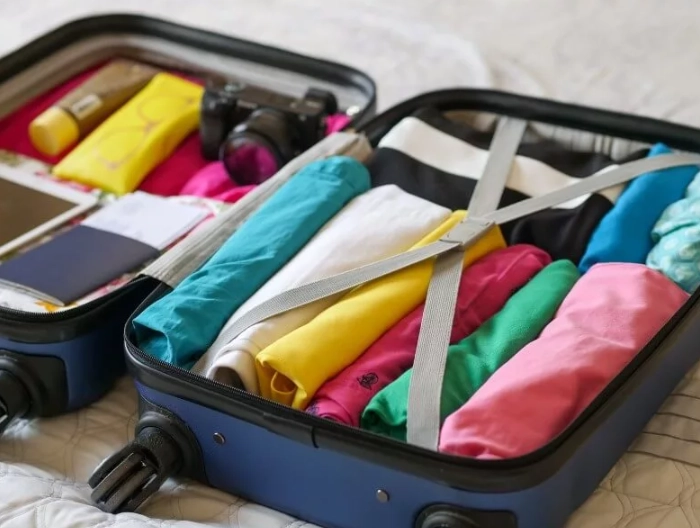
What to Wear: Conquering the American Climate
America has almost every climate imaginable. Florida is not Minnesota. California is not New York. Your clothing choices depend entirely on your destination and the season. I made the mistake of packing for a "general American winter" once and nearly froze in Chicago.
The All-Season Base Layer
These items work anywhere, anytime.
- Comfortable Walking Shoes: You will walk more than you think. A good pair of sneakers is non-negotiable. Break them in before the trip.
- Jeans/Trousers: Versatile and acceptable in most casual settings.
- Basic T-shirts and Long-sleeve tops: For layering. Mix neutral colors that you can match easily.
- A Lightweight Jacket or Hoodie: Even in summer, air conditioning indoors can be arctic. A hoodie is a lifesaver on planes and in malls.
- Underwear and Socks: Pack enough for at least a week, even for longer trips. You might not want to do laundry immediately.
- Sleepwear: Don't forget this! A simple set is fine.
Season-Specific Additions
| Season / Climate | Essential Clothing Items | Why You Need It |
|---|---|---|
| Winter (Nov-Mar, North/East) | Heavy, insulated winter coat (down-filled is best), thermal underwear, wool sweaters, scarves, gloves, beanie, waterproof boots. | American winters, especially in the Northeast and Midwest, are no joke. The wind chill can be brutal. Your regular Nigerian jackets won't cut it. You can often buy a good coat there, but it's expensive. |
| Summer (Jun-Aug, Most areas) | Light, breathable fabrics (cotton, linen), shorts, sundresses, sunglasses, sun hat, swimsuit, sandals. | Summers can be very hot and humid, similar to Nigeria but often with more intense sun. Sun protection is key. |
| Spring/Fall (Variable) | Layers are key. Cardigans, light jackets, jeans, closed-toe shoes. A compact umbrella. | Weather can change dramatically in a single day—cold morning, warm afternoon, rainy evening. Layering lets you adapt. |
And here's a personal opinion: don't go overboard packing traditional Nigerian attire like multiple complete Aso Ebi outfits unless you have a specific event. They are heavy and take up suitcase space. Maybe one nice outfit for a special occasion is enough. Focus on versatile, mix-and-match items.
Gadgets, Adapters, and Staying Connected
This is where many people get tripped up. The U.S. operates on a different electrical system.
The Power Solution Kit
- Travel Power Adapter(s): Get at least two good quality Type A/B adapters. Don't buy the cheapest ones; they can overheat. A universal adapter that includes the USA type is a great investment.
- Power Bank (Portable Charger): A high-capacity one (20,000 mAh or more). Long flights, layovers, and days of sightseeing will drain your phone. This is a top-tier essential.
- Multi-Port USB Charger: Instead of carrying separate plugs for your phone, tablet, and power bank, get one compact charger that can juice them all up at once.
- Laptop/Tablet and Charger: Obviously.
- Earbuds/Headphones: Noise-canceling ones are a blessing on long flights.
Staying Online
Roaming with Nigerian networks is prohibitively expensive.
- Unlocked Smartphone: Ensure your phone is unlocked (not tied to MTN, Glo, Airtel, or 9mobile) so you can use a U.S. SIM card.
- U.S. SIM Card or eSIM: You can buy a tourist SIM at the airport (like from T-Mobile or AT&T) or order an eSIM online before you travel for immediate data upon landing. Research plans on providers' websites.
- Important Contacts List: Have a physical list or screenshot of key phone numbers (your embassy, host, airline) in case your phone dies.
When planning the electronic things to pack when travelling from Nigeria to USA, the adapter and power bank are not optional. Trust me.
Health, Toiletries, and Medications
Don't assume you can easily find your preferred brands or medications.
Your Personal Medical Kit
- Prescription Medications: Carry them in their original labeled containers. Bring a copy of the prescription from your Nigerian doctor. The quantity should look reasonable for personal use. U.S. pharmacies cannot fill Nigerian prescriptions easily.
- Basic OTC Meds: Pack a small supply of pain relievers (paracetamol/ibuprofen), antihistamines for allergies, anti-diarrhea medicine, and antacids. It's midnight, you have a headache, and you don't want to hunt for a 24-hour pharmacy.
- Malaria Prophylaxis: If prescribed for your specific itinerary, bring the full course.
- First-Aid Basics: Plasters (Band-Aids), antiseptic wipes, and some gauze.
Toiletries and Personal Care
You can buy shampoo and soap there, but if you have specific needs, bring them.
- Skin and Hair Products: If you use specific products for melanated skin or natural black hair (like shea butter, black soap, certain oils or hair creams), bring a sufficient supply. While there are stores that cater to these needs, your favorite brand might not be available or could be very expensive.
- Toothbrush, toothpaste, deodorant.
- Mosquito Repellent: Depending on your destination and season.
- Sunscreen: Higher SPF than you might use in Nigeria. The sun can be stronger.
- Small Towel: A quick-dry travel towel can be handy.
Remember, all liquids, gels, and aerosols in your carry-on must be in containers of 3.4 ounces (100ml) or less and fit in a single quart-sized clear bag. Pack larger bottles in your checked luggage. Check the latest rules on the Transportation Security Administration (TSA) website.
The Often-Forgotten Essentials & Cultural Comforts
This is the stuff that separates a stressful trip from a smooth one. The little things that address homesickness or practical hiccups.
Practical Items You'll Be Grateful For
- Reusable Water Bottle: Fill it after security. Staying hydrated on the plane and while out is easier and cheaper.
- Packable Tote Bag or Backpack: For day trips, grocery runs, or as an extra bag for souvenirs on the return.
- Pen: You'll need to fill out forms on the plane (the Customs Declaration Form CBP 6059B). Don't scramble to borrow one.
- Snacks: Pack some non-perishable Nigerian snacks (like chin chin, groundnut, or certain biscuits). They are comfort food during long travel days and can curb hunger until you find a proper meal. Just check U.S. agricultural restrictions on the U.S. Customs and Border Protection site—most cooked, processed foods are fine, but fresh fruits, vegetables, and meats are not allowed.
- Hand Sanitizer and Wet Wipes.
Combating Homesickness
A piece of home goes a long way.
- Small Photos of Family/Friends.
- Your Preferred Seasoning Cubes/Spices: If you plan to cook, a few packs of your favorite Nigerian seasoning can transform bland ingredients. Again, ensure they are commercially packaged and sealed.
- Music or Podcasts: Download your favorite Nigerian playlists or shows for offline listening.
These comfort items are a vital, yet often overlooked, part of the mental checklist for things to pack when travelling from Nigeria to USA.
Packing Strategy: How to Fit It All In
Knowing what to pack is half the battle; knowing *how* to pack is the other.
- Use Packing Cubes: These are fabric compartments that organize your suitcase. One for underwear/socks, one for tops, one for bottoms. It keeps things neat and makes unpacking a breeze.
- Heavy Items at the Bottom: Place shoes and heavy items (like your power adapter kit) near the wheel base of your suitcase for better balance.
- Carry-On is Your Lifeline: In your carry-on backpack or small roller, pack:
- All critical documents (passport, wallet, tickets).
- A complete change of clothes (in case your checked bag is delayed).
- Essential medications.
- Chargers, power bank, and a pair of headphones.
- Toothbrush and basic toiletries.
- Any valuable items.
- Check Airline Baggage Allowances: Weight and size limits vary. Most U.S.-bound flights allow one checked bag (usually 23kg/50lbs) and one carry-on plus a personal item for free in economy, but always verify with your airline. Going over weight incurs hefty fees.
Common Questions Answered (FAQs)
Final Walk-Through Checklist
The night before you travel, run through this mental list. Have you packed...
- Documents Folder: Passport, visa, tickets, insurance, all supporting letters?
- Money: Some USD cash, Naira, activated cards?
- Phone & Tech: Unlocked phone, U.S. adapter, power bank, chargers, headphones?
- Health: Prescription meds (in original packs), basic OTC kit?
- Clothing: Appropriate for the weather and activities?
- Comforts: Snacks, photos, small toiletries?
- Carry-On: Is it stocked with your survival essentials for the first 24 hours?
Packing for a trip from Nigeria to the USA doesn't have to be a source of anxiety.
By focusing on the absolute essentials, preparing for the climate and electrical differences, and allowing for a few comforts from home, you can create a packing list that is both comprehensive and manageable. The core principle is to be practical, organized, and intentional with every item you put in your bag.
Remember, this guide to the essential things to pack when travelling from Nigeria to USA is a starting point. Adapt it to your personal needs, your specific destination, and the nature of your trip. Do that, and you'll step off that plane feeling prepared, confident, and ready to enjoy your American adventure without worrying about what you left behind.
Safe travels!





Comments
Leave a Comment