Ask someone abroad what Americans eat for dinner, and you might get a stereotypical answer: huge hamburgers, piles of fries, or maybe a giant steak. The reality, after living here and sharing countless meals with friends and neighbors from coast to coast, is far more nuanced and interesting. The American dinner table is a story of regional pride, time constraints, health trends, and deep-rooted traditions. It's less about a single national dish and more about a common meal structure that gets filled in a thousand different ways.
So, what do most Americans eat for dinner? The short answer is a protein, a starch, and a vegetable. But the long answer—the one that matters for anyone trying to understand American culture or plan their own meals—is about the choices within that framework. Let's pull up a chair and dig in.
Your Quick Guide to the American Dinner Table
The Classic "Protein-Starch-Veggie" Template (And What Actually Fills It)
Forget fancy culinary terms. The backbone of a typical American dinner is straightforward. You need something hearty (the protein), something filling (the starch), and something to balance it out (the vegetable). This isn't a rigid rule, but it's the subconscious checklist most home cooks run through.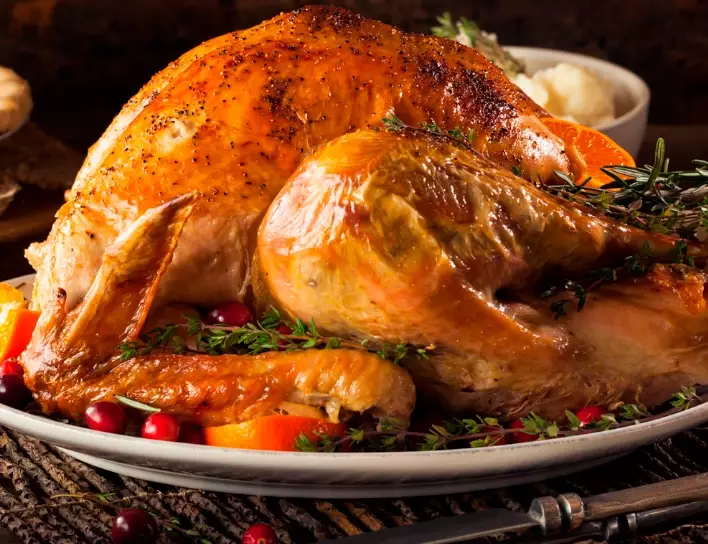
The Protein Centerpiece: This is what the meal often revolves around.
Chicken is the undisputed king, especially boneless, skinless chicken breasts or thighs. They're versatile, relatively affordable, and cook quickly. Ground beef is a close second, morphing into weeknight heroes like spaghetti with meat sauce, tacos, or sloppy joes. Pork chops, salmon fillets (increasingly popular for health reasons), and even plant-based proteins like black beans or lentils are common players.
The Supporting Starch: This is the comfort element.
Mashed potatoes are a beloved classic. Rice (white or brown) is a pantry staple, a blank canvas for sauces. Pasta is a Tuesday night savior. Dinner rolls or a slice of crusty bread to soak up gravy or sauce is almost instinctual.
The Vegetable (Often an Afterthought, But Trying Harder):
Here's where you see the biggest gap between aspiration and reality. A simple green salad with bottled dressing is incredibly common. Steamed broccoli, green beans, or roasted carrots are frequent flyers. Frozen mixed vegetables, microwaved and buttered, are a time-crunched reality in many households.
The magic—and the routine—is in the combinations. A baked chicken breast, a scoop of rice pilaf, and a side of steamed broccoli. Pan-seared pork chops with applesauce, mashed potatoes, and sautéed green beans. Spaghetti with meatballs, garlic bread, and that simple green salad. These are the unglamorous, deeply familiar plates that define millions of evenings.
Regional Spins: Dinner Looks Different in New Orleans vs. Nebraska
America's size means dinner has strong local accents. What's "typical" in one state might be a special occasion meal in another.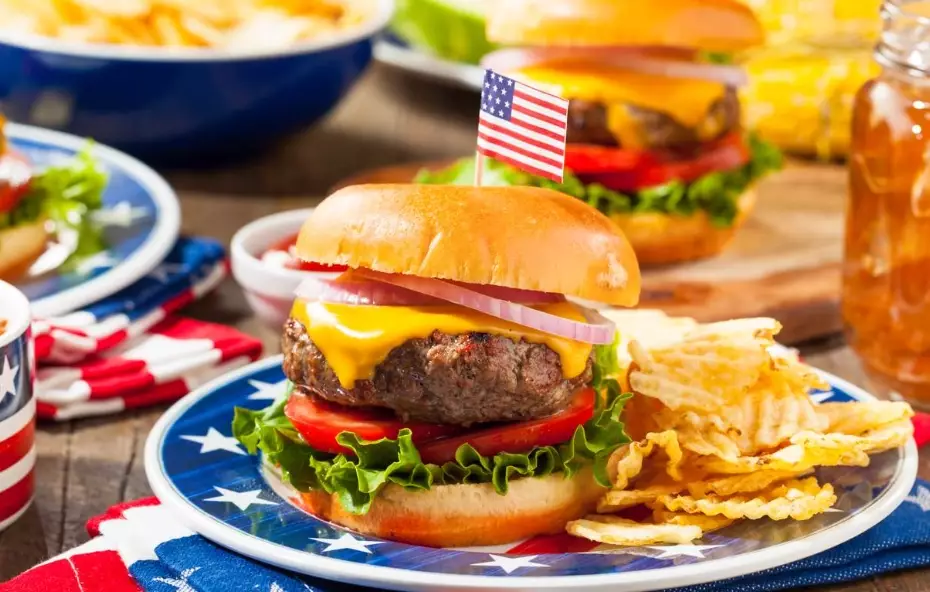
The South: Where Dinner is a Verb
In the South, "dinner" can still mean the midday meal, but the evening "supper" is where tradition shines. Think of dishes that simmer for hours. Sunday supper might be fried chicken, collard greens cooked with smoked ham hock, macaroni and cheese (baked, not boxed), and cornbread. Gumbo or jambalaya in Louisiana, pulled pork in North Carolina—these are weekly realities, not just tourist food.
The Midwest: Heartland Comfort
Portion sizes are generous, and casseroles reign supreme. Tater tot hotdish (a baked casserole of ground beef, cream soup, and tater tots) is a cultural icon for a reason. It's filling, feeds a crowd, and uses pantry staples. Meatloaf with a ketchup glaze, served with scalloped potatoes and canned corn, is another classic Midwestern plate. It's less about spice and more about hearty, satisfying flavors.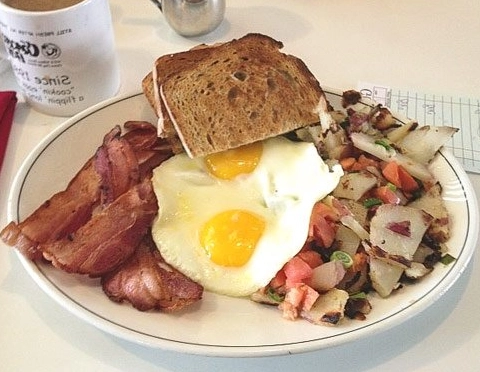
The Northeast & West Coast: Lighter Touches and Global Influences
On the coasts, you see the health and globalization trends hit home faster. A grilled salmon fillet with quinoa and roasted asparagus is a common weeknight dinner in California. In New England, you might find baked haddock, a potato side, and fresh local corn. Big cities everywhere incorporate takeout or homemade versions of ethnic foods—taco Tuesday is a national phenomenon, and a stir-fry or curry is a standard in the rotation.
A common mistake is assuming "American food" is monolithic. The regional differences aren't just about ingredients; they're about pace, tradition, and what's considered "everyday" versus "special."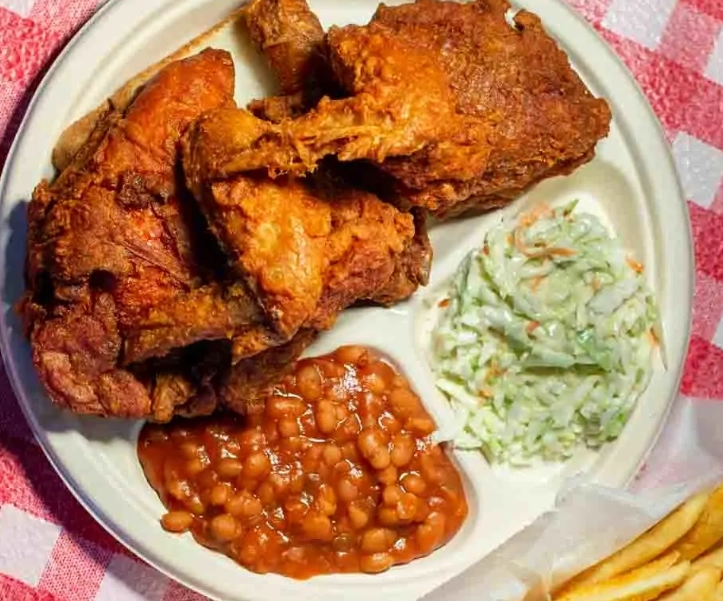
How the American Dinner Is Changing: Less Formal, More Flexible
The classic sit-down, home-cooked dinner every single night is more of an ideal than a universal truth now. Life has gotten in the way.
The Rise of "Non-Recipes" and Assembly Meals: People are tired. The trend is towards meals that require minimal active cooking. Think grain bowls (leftover rice + canned beans + veggies + sauce), sheet-pan dinners (chicken and vegetables roasted on one pan), or big-batch soups and chilis that last for days. The goal is to get food on the table with as few dishes to wash as possible.
Breakfast for Dinner: It's not just for kids. Scrambled eggs, pancakes, or breakfast tacos on a Wednesday night is a celebrated cheat, a fun way to break the monotony. It's quick, cheap, and universally liked.
The Takeout and Meal Kit Integration: The "home-cooked" meal might involve significant help. Ordering pizza or Chinese food once a week is a standard budget line item for many families. Meal kit services like HelloFresh or Blue Apron provide the middle ground—the feeling of cooking without the mental load of planning and shopping.
The biggest shift I've observed is the de-formalization of dinner. It might be eaten in shifts, on the couch, or from containers. The shared, structured meal is still valued, but it competes with busy schedules, making its consistent execution a challenge rather than a given.
How to Plan a Quick and Healthy American Dinner (A Realistic Guide)
If you're trying to eat more typical American dinners at home, don't aim for gourmet. Aim for sustainable. Here's a strategy that actually works, based on watching what efficient home cooks do.
Master the Weekly Template: Don't decide each day. Assign themes.
- Monday: Pasta Night (whole wheat pasta, jarred marinara, add ground turkey)
- Tuesday: Taco/Bowl Night (beans, rice, salsa, veggies - endless combinations)
- Wednesday: Breakfast for Dinner
- Thursday: Sheet Pan Night (chicken sausage, potatoes, bell peppers)
- Friday: Takeout or Homemade Pizza
This removes 80% of the daily "what's for dinner?" stress.
Upgrade the Vegetable Side: This is the easiest health win. Instead of just boiling or steaming, try roasting. Toss broccoli florets in olive oil, salt, and pepper, and roast at 425°F for 20 minutes until crispy. It's a game-changer. Keep bags of frozen veggies for emergencies—they're often more nutritious than sad, old fresh ones.
Embrace the Slow Cooker or Instant Pot: These aren't just for grandmas. Throwing chicken breasts, salsa, and taco seasoning into a slow cooker in the morning means shredded chicken tacos are ready when you walk in the door. It's the modern version of the all-day simmer.
The secret isn't complicated recipes. It's having a default plan for when you're tired, which is most of the time. Keep your pantry stocked with the basics: pasta, rice, canned beans, canned tomatoes, eggs, and frozen vegetables. With those, you're never more than 20 minutes from a decent dinner.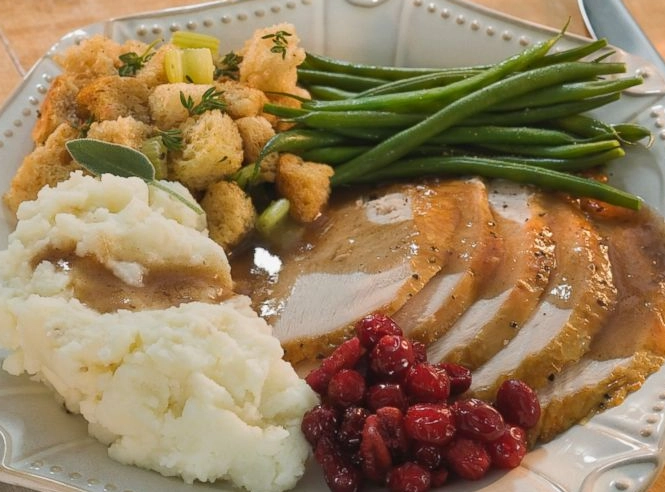
Your American Dinner Questions Answered
What's a realistic budget for a home-cooked American dinner for a family of four?
How do American families handle dinner with picky eaters, especially kids?
Is it true that Americans eat dinner very early compared to Europeans?
What's the most common mistake people make when trying to cook a "typical" American dinner?
So, what's for dinner in America? It's a chicken breast one night, a pot of chili the next, and maybe takeout Thai on Friday. It's a constantly evolving practice shaped by time, money, health, and a deep-seated love for comfort food. The real story isn't found in a single dish, but in the daily effort to gather, feed, and connect—even if it's just over a simple plate of spaghetti.





Comments
Leave a Comment