Ask ten people the best time to visit the American West, and you might get eleven different answers. Summer! Fall! Spring! The truth is, there's no single "best" time. It completely depends on where you're going, what you want to do, and how much you value thin crowds versus perfect weather. I've planned trips out west for over a decade, and the biggest mistake I see is treating "the West" as one monolithic destination. The weather in Phoenix has nothing to do with the weather in Seattle.
So let's ditch the vague advice. Here’s a practical, region-by-region, season-by-season breakdown to help you nail the timing for your dream trip.
In This Guide: Your Western Trip Planner
The Simple Seasonal Breakdown (Pros & Cons)
First, the broad strokes. This table gives you the 30,000-foot view.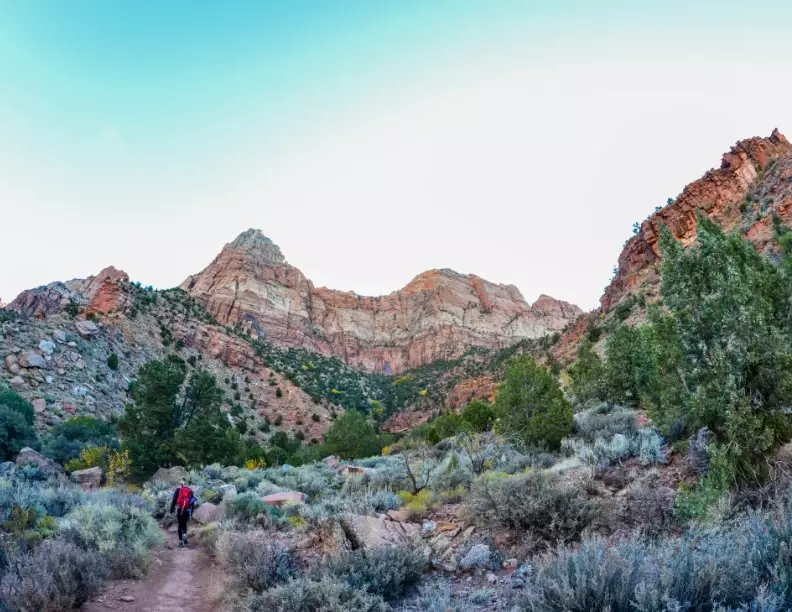
| Season | Typical Months | Best For | Watch Out For |
|---|---|---|---|
| Spring | March - May | Wildflowers (deserts), comfortable desert temps, lower crowds before summer, whitewater rafting. | Unpredictable mountain weather, snow at high elevations, some high roads closed. |
| Summer | June - August | All park access, warm mountain weather, long days, family vacations. | Extreme crowds, intense heat in deserts/SW, afternoon thunderstorms in mountains, highest prices. |
| Fall | September - November | Fewer crowds, pleasant temps almost everywhere, stunning fall foliage in specific areas (Colorado, Utah mountains). | Shorter days, earlier snowfalls at high elevations, some services wind down after Labor Day. |
| Winter | December - February | Solitude, snow sports, low prices, dramatic desert landscapes. | Major road closures (Tioga, Going-to-the-Sun, North Rim), very cold/snowy, limited services. |
But this is just the start. The magic—and the planning headaches—happen when you zoom in.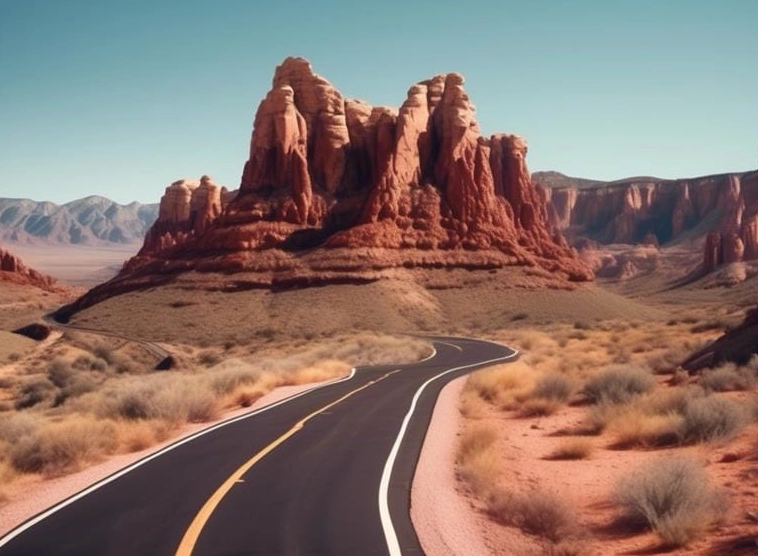
The Regional Guide: Where & When to Go
This is where we get specific. The American West is huge. Let's split it.
The Southwest Deserts (Arizona, Utah, Nevada, SoCal Deserts)
Think Grand Canyon, Zion, Moab, Las Vegas, Palm Springs. Here, the sun is king, and elevation is your thermostat.
Summer (June-August) is brutal in the low deserts. Think 110°F (43°C+) in Phoenix and Death Valley. It's doable if you're just driving through or are a pool person, but hiking in Zion's narrows is a different kind of hot. Mountain towns (like Flagstaff, AZ) are lovely escapes.
Winter (Dec-Feb) can be fantastic for the Grand Canyon's South Rim or Las Vegas—crowds are low, and daytime temps can be pleasant (40s-50s°F / 4-15°C). But the North Rim is closed, and nights are freezing.
The California Coast (Pacific Coast Highway, Big Sur, San Francisco)
Forget the desert rules. The coast has its own foggy, moody rhythm.
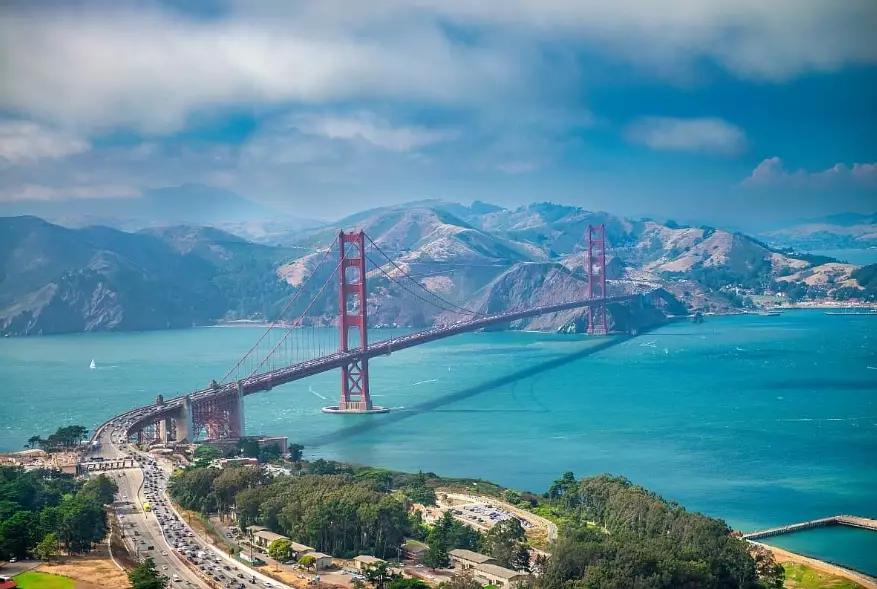
Sweet Spot: September to October. This is often called "California's summer." The fog ("June Gloom") has usually lifted, waters are warmest, and skies are clear. It's perfect for the PCH.
Summer (June-August) can be surprisingly cool and foggy, especially north of Santa Barbara. Pack layers. It's still beautiful, but don't expect guaranteed sun.
Spring (Apr-May) is green and lovely, with more frequent sunny days than summer in some spots.
The Pacific Northwest & Rockies (Washington, Oregon, Idaho, Montana, Colorado)
This is all about mountains, rain forests, and escaping the heat.
Sweet Spot: July to September. This is your short, glorious window. Snow has melted from high trails (mostly by mid-July), wildflowers are out, and the weather is stable and sunny. It's the only time to drive Going-to-the-Sun Road in Glacier National Park.
Shoulder Seasons (May-June & Oct) are wetter and more unpredictable. You might get sun, or you might get snow. Some high roads are still closed in June.
Winter (Nov-Apr) is for skiers and snowshoers. Many parks remain open but are transformed by snow.
How to Choose Based on Your Travel Style?
Your personal travel DNA matters more than any calendar.
For the Avid Hiker: Target late June through September for the high country (Rockies, Sierra, Cascades). For desert canyon hikes (Zion Narrows, Buckskin Gulch), aim for late spring (May) or early fall (Sept/Oct) when water levels are manageable and temps are safe. Summer can bring dangerous flash floods and heat.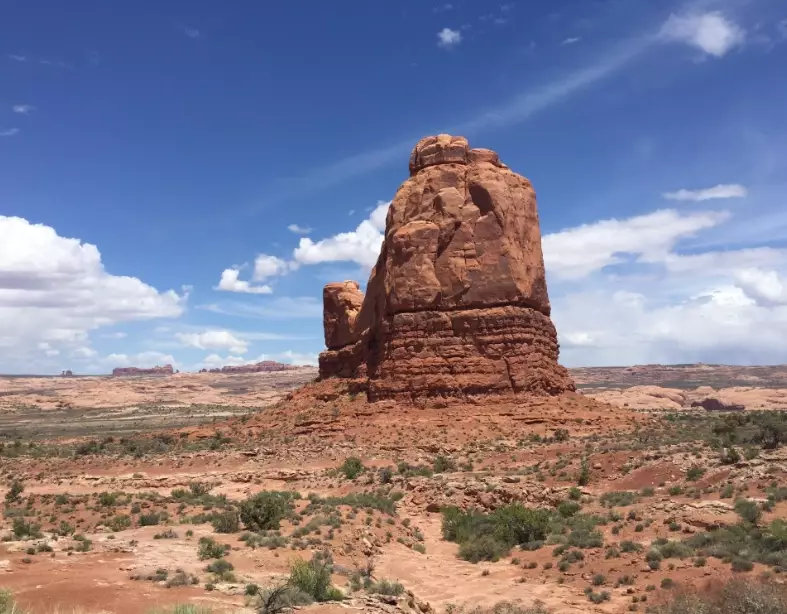
For the Scenic Road Tripper: May and September are gold. You'll hit good weather across most regions, avoid the peak summer RV convoy, and find easier hotel bookings. Want the iconic Pacific Coast Highway? Push for September or early October.
For Families with School Schedules: You're often locked into summer. It's fine! Just plan aggressively. Book accommodations and major tour tickets (like a Yellowstone bus tour) 6-12 months out. Start your days at parks by 7:30 AM to beat the crowds and heat. Focus your trip on higher-elevation destinations like Yellowstone, Grand Teton, or the Colorado Rockies, which have pleasant summer weather.
For the Photographer: You want magic light and dynamic conditions. Spring (April-May) offers wildflowers and stormy skies. Fall (late Sept-Oct) provides golden aspens in the mountains and softer desert light. Winter gives stark, empty landscapes and snow-dusted red rocks. Summer midday light is the harshest, but summer evenings are long and glorious.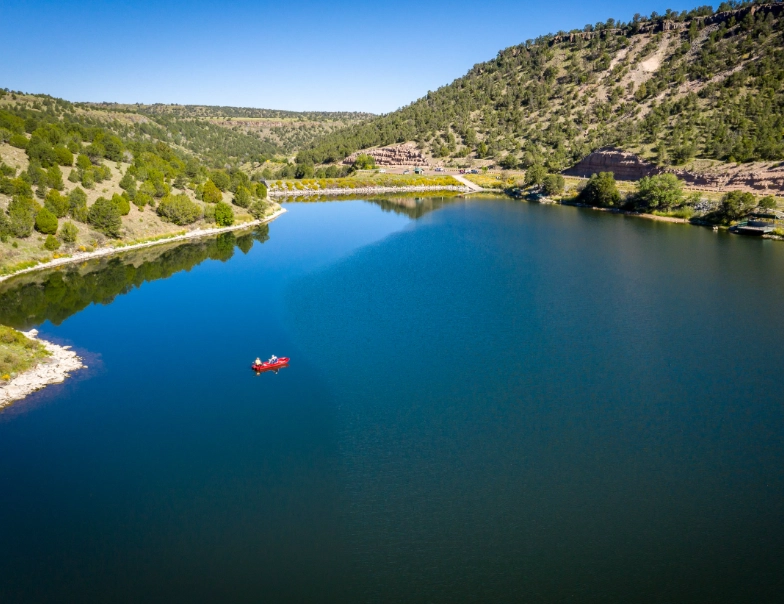
What About the Shoulder Seasons?
May and September are the unsung heroes of Western travel. I plan 80% of my own trips during these months. Here’s why they often beat peak season:
- Crowds & Cost: The difference is palpable. You can actually find parking at the Zion Canyon shuttle lot at 9 AM. Hotel rates drop significantly after Labor Day.
- Weather: It's still excellent in most places. You might get a random spring snow shower or an early fall chill, but you trade that for not sweating through your shirt on a moderate hike.
- The Vibe: It feels more relaxed. The folks you meet are often serious travelers, not just summer vacationers.
The catch? Some services in remote areas or higher-end lodges might have reduced hours or be closed. Always check operating dates for ferries, tours, and restaurants, especially if traveling in late October or early May.
National Park Specifics: A Quick-Reference Table
Since parks are the #1 draw, here's a cheat sheet for some of the big ones. Data is synthesized from my experience and the National Park Service websites.
| National Park | Prime Time | Good Shoulder Time | Key Consideration |
|---|---|---|---|
| Yellowstone & Grand Teton | July - Mid-Sept | June, Late Sept | Most roads open May-Oct only. June can be buggy. Sept has elk rut & fewer people. |
| Zion & Bryce Canyon | April-May, Sept-Oct | March, Nov | Summer is scorching in Zion Canyon. Bryce is higher/cooler. Winter access is good but cold. |
| Yosemite | May-June, Sept | April, Oct | Valley is accessible year-round, but Tioga Pass & Glacier Point roads open late June/July. Summer is packed. |
| Grand Canyon (South Rim) | March-May, Sept-Nov | Feb, Dec | North Rim is only open May-Oct. South Rim can be visited in winter with preparation for ice/snow. |
| Glacier National Park | July - Mid-Sept | June (partial), Late Sept | Going-to-the-Sun Road fully opens late June/early July. This defines the season. |
| Arches & Canyonlands | April-May, Sept-Oct | March, Nov | Moab is extremely hot in summer. Spring and fall are ideal for hiking. |
Final Planning Tips & Common Pitfalls
Once you've picked your season, a few tactical moves will save your trip.
Book Early, Especially for Summer & Parks: I'm not kidding about the 6-12 month lead time for in-park lodges (like the Yellowstone lodges) or popular gateway towns (Springdale for Zion, Moab for Arches). Campsites inside parks sell out in minutes when reservations open.
Pack for All Weather, Always: Even in July, pack a warm fleece, a rain shell, and a beanie. Mountain weather changes fast. In spring/fall, bring layers you can add or shed throughout the day.
Rethink Your Itinerary if Crossing Regions: A trip that goes from the Oregon Coast to the Utah deserts in a week is a climate rollercoaster. It's possible, but you'll spend a lot of time driving through weather zones. Consider focusing on one climatic region per trip for a more cohesive experience.
Check for Fire Season: Late summer and fall (Aug-Oct) in California and the Pacific Northwest can bring wildfire smoke, which can ruin views and air quality. Have a flexible plan and monitor AirNow.gov.
The best time for your trip out west is the time that aligns with what you want to see and do, prepared with the right knowledge. There's no bad season—just mismatched expectations.


Comments
Leave a Comment