Let's be honest, planning a cheap 3-day vacation in California feels like a contradiction. The state is famous for its pricey coastal towns and luxury resorts. But after a decade of exploring every nook from the redwoods to the desert, I've learned the secret: California's best experiences aren't always the most expensive. A fantastic long weekend here is absolutely possible on a budget, you just need to know where to look and how to plan. Forget the generic lists. I'm talking about specific, actionable itineraries that balance cost, travel time, and genuine California vibes.
Your Quick Trip Planner
- The Budget Travel Mindset for California
- Itinerary 1: The Central Coast Explorer (Santa Cruz to Monterey)
- Itinerary 2: The Desert & Mountain Mix (Palm Springs & Joshua Tree)
- Itinerary 3: Northern California's Hidden Gems (Sacramento & Gold Country)
- Pro Tips to Slash Your Vacation Costs
- Your Budget California Trip Questions Answered
The Budget Travel Mindset for California
Before we dive into the itineraries, shift your thinking. The biggest mistake people make is trying to cram a $5000-week vacation into a $800 weekend. It won't work. The goal isn't to do everything; it's to immerse yourself deeply in one or two regions. Prioritize free natural attractions over expensive theme parks. Embrace picnics with local produce from a farmers' market. And critically, be flexible with dates. A mid-week trip (Tuesday-Thursday) can cut hotel rates by 30-50% compared to a Friday-Sunday stay.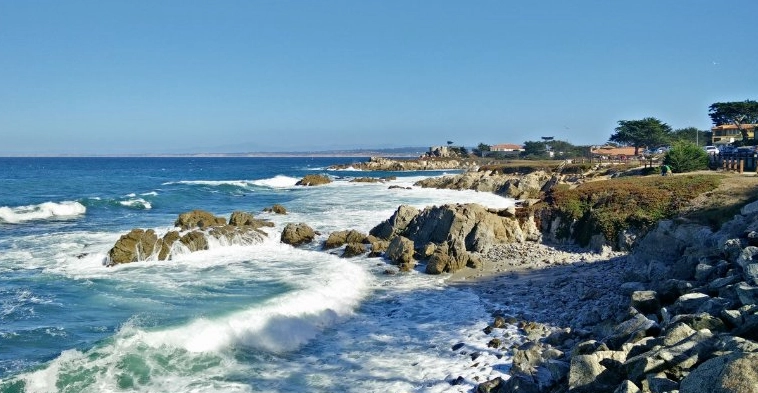
Realistic Budget Breakdown (Per Person): For a truly cheap 3-day, 2-night trip, aim for a total of $250-$400 per person, excluding gas to get there. This covers modest lodging, all meals from groceries and cheap eats, park fees, and a small buffer. It's tight but doable with the plans below.
Itinerary 1: The Central Coast Explorer (Santa Cruz to Monterey)
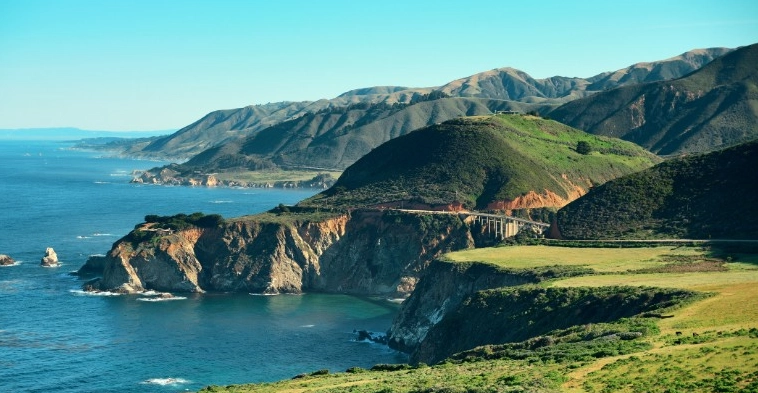
This route swaps the glitz of Southern California for the rugged, accessible beauty of the Central Coast. You get ocean, redwoods, and marine life without the Malibu price tag.
Day-by-Day Plan
Day 1 – Santa Cruz Vibes: Start in Santa Cruz. Skip the pricey Santa Cruz Beach Boardwalk rides and walk the West Cliff Drive coastal path for free. Watch the surfers at Steamer Lane. For lunch, grab fish tacos from a stand on the wharf. In the afternoon, drive 20 minutes north to Henry Cowell Redwoods State Park ($10 vehicle day-use fee). The easy, flat Redwood Grove Loop Trail is among the best free-standing redwood experiences in the state. Stay in a budget motel in Watsonville or Scott's Valley instead of downtown Santa Cruz.
Day 2 – Monterey on a Dime: Drive south to Monterey. The Monterey Bay Aquarium is world-class but expensive ($60). The pro move? Walk the historic Cannery Row, then take the stunning, free Coastal Recreation Trail from Fisherman's Wharf to Pacific Grove. You'll see sea otters, seals, and crashing waves. Have a late lunch at a clam chowder bread bowl spot on the wharf. In the late afternoon, drive the 17-Mile Drive (yes, it costs $11.25 per car) but split it with your travel buddies. The views of Pebble Beach and Lone Cypress are worth it. Stay in Marina or Seaside for cheaper hotels.
Day 3 – Big Sur Lite & Return: You don't need to drive deep into Big Sur for the magic. Head south on Highway 1 to Point Lobos State Natural Reserve ($10 fee). Hike the Cypress Grove or Sea Lion Point trails—it's often called the "crown jewel of the state park system." Have a final picnic here before heading home.
| Cost Category | Estimated Cost (Per Person) | Money-Saving Tip |
|---|---|---|
| Lodging (2 nights) | $120 - $180 | Book motels in Watsonville/Marina; avoid weekend stays. |
| Food & Drinks | $80 - $120 | One big meal out per day, others from grocery stores (e.g., Safeway). |
| Parking & Attraction Fees | $25 - $35 | Focus on state parks with low day-use fees over private attractions. |
| Gas (from Bay Area) | $40 - $60 | Carpool! This cost is split among passengers. |
| Total Estimate | $265 - $395 | Highly achievable with planning. |
Itinerary 2: The Desert & Mountain Mix (Palm Springs & Joshua Tree)
This is a perfect off-season (fall to spring) budget trip. Summer is brutally hot and often cheaper, but I don't recommend it for hiking.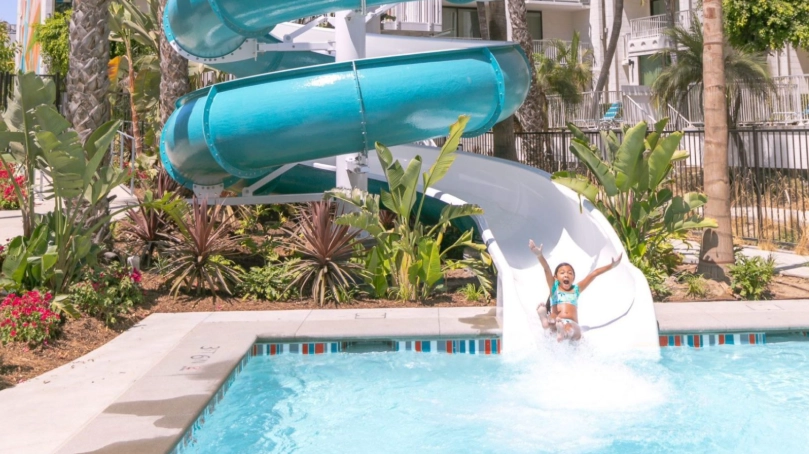
Day-by-Day Plan
Day 1 – Palm Springs Retro Cool: Arrive in Palm Springs. The key here is to enjoy the ambiance for free. Wander the downtown strip, admire the mid-century modern architecture in the Movie Colony neighborhood, and visit the Palm Springs Art Museum (free on Thursday nights from 5-8 PM). Skip the expensive aerial tram. Instead, find one of the many public, smaller hotels with a iconic pool scene—some let you buy a day pass for $15-$25. Stay at one of the many renovated, clean but basic motels along N. Indian Canyon Drive.
Day 2 – Joshua Tree National Park: This is the highlight. It's a 45-minute drive. The park entrance fee is $30 per vehicle and is valid for 7 days. You can easily fill a day. Must-dos: the short Cholla Cactus Garden hike at sunrise or sunset, the Hidden Valley nature trail (great for rock scrambling), and the Keys View lookout. Pack all your food and water for the day—nothing is available inside. Have a simple dinner back in Yucca Valley or Palm Springs.
Day 3 – Salvation Mountain & Salton Sea: For something truly unique, take a day trip east. Visit the free, folk-art masterpiece Salvation Mountain near Niland. Then see the eerie, shrinking Salton Sea. It's a stark, fascinating landscape. Head home from here, or if you have time, stop at the Cabazon Dinosaurs (free to view from the roadside) on the I-10.
Itinerary 3: Northern California's Hidden Gems (Sacramento & Gold Country)
Most people fly over the Central Valley. That's their loss. This trip combines city culture with foothill beauty.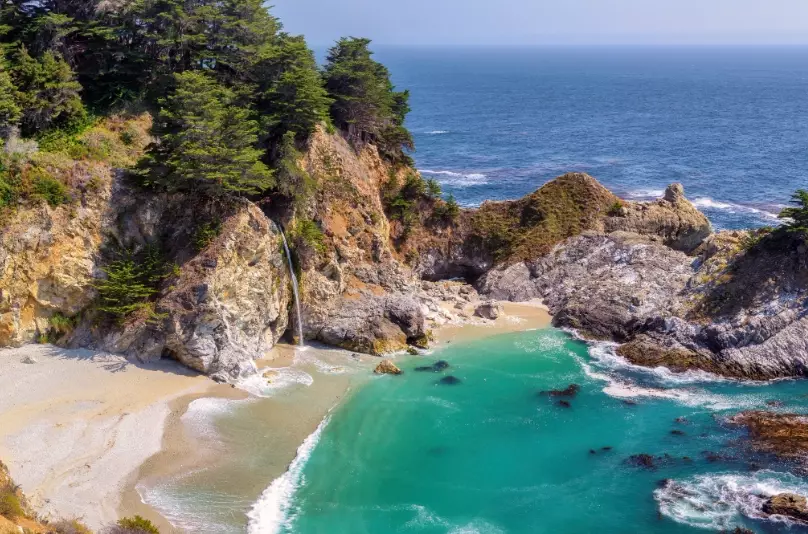
Day 1 – Sacramento's Farm-to-Fork Capital: Explore the compact, walkable downtown. Visit the California State Capitol Museum (free) and wander through the beautiful gardens. The Old Sacramento Waterfront is touristy but fun for a stroll. For dinner, hit the Midtown area for a range of affordable, excellent eateries. Stay at a hotel near the airport or in West Sacramento for better rates.
Day 2 – Gold Country & Columbia: Drive about 2 hours southeast into the Sierra foothills. Your destination is Columbia State Historic Park (free entry, parking fee). It's a preserved Gold Rush town with wooden sidewalks, stagecoaches, and shops. It feels like a theme park but it's real history. You can pan for gold (small fee) or just explore. On the way back, stop in the cute town of Murphys for wine tasting—many Main Street wineries offer free or $5 tastings, a fraction of Napa prices.
Day 3 – Auburn's Outdoor Finale: On your way home (towards the Bay Area or Reno), stop in Auburn. Hike part of the American River Confluence Trail system (free) for stunning canyon and river views. See the iconic Foresthill Bridge. It's a powerful, low-cost outdoor end to your trip.
Pro Tips to Slash Your Vacation Costs
These aren't the obvious "travel off-season" tips. These are the granular details that save real money.
- Lodging Hack: Look for hotels that include breakfast, even if it's just pastries and coffee. That's one less meal to buy. Extended-stay brands like Motel 6 or Extended Stay America often have in-room microwaves and fridges, enabling you to prepare simple meals.
- Park Pass Strategy: If your trip focuses on National Parks (like Joshua Tree), the $80 America the Beautiful Annual Pass pays for itself after visiting about three parks. If traveling with one other person, split the cost.
- The Grocery Store First Rule: Before you check into your hotel, find a local grocery store. Stock up on breakfast items, lunch fixings, snacks, bottled water, and even a bottle of local wine. This single act cuts food costs by at least 40%.
- Gas & Toll Apps: Use GasBuddy to find the cheapest fuel along your route. If crossing Bay Area bridges, check FasTrak for carpool rules to avoid tolls.
Your Budget California Trip Questions Answered
 Are there any cheap coastal towns in Southern California for a weekend?




Comments
Leave a Comment