Let's talk about finding a place to stay in California. It sounds simple, right? You pick a city, you book a hotel. Done. But if you've ever actually tried to plan a trip here, you know it's nothing like that. The options are endless, the prices are all over the map, and one wrong choice can mean the difference between a dream vacation and a logistical nightmare. I've spent years traveling up and down this state, from foggy redwood forests to sun-baked desert motels, and I've made every booking mistake in the book so you don't have to.
Quick Guide
- First Things First: What Does "Accommodation in California" Even Mean?
- Breaking Down Your California Accommodation Options
- Where to Stay? A Region-by-Region Breakdown
- The Art of the Booking: How to Actually Get a Good Deal
- Questions I Get Asked All the Time (The FAQ Section)
- Final Thoughts Before You Hit "Book"
This isn't just a list of hotels. Think of it as your personal cheat sheet. We're going to cut through the noise and get real about what you actually need to know to book the perfect accommodation in California, whether you're after a luxury suite in Beverly Hills, a cozy cabin near Lake Tahoe, or a budget-friendly crash pad in San Diego.
First Things First: What Does "Accommodation in California" Even Mean?
California isn't one place. It's a dozen different worlds stitched together by highways. Your accommodation needs in the tech-hub buzz of Silicon Valley have zero in common with what you'd want for a quiet wine-tasting weekend in Sonoma. Before you even open a booking site, you need to ask yourself the big questions. What's the trip for? A family Disneyland blowout? A solo surf trip? A romantic Napa getaway? A business conference in downtown LA? The answer completely changes the game.
And your budget? Let's be honest, that's a huge range. You can find a hostel bed for $40 a night in San Francisco (if you're lucky) or drop $2000 on a cliffside villa in Big Sur. Most of us are somewhere in the messy, complicated middle.
Breaking Down Your California Accommodation Options
Okay, let's get into the nitty-gritty. When you search for accommodation in California, you're generally looking at a few broad categories. Each has its superpowers and its kryptonite.
The Classic: Hotels & Resorts
From the iconic grandeur of the Fairmont San Francisco to the quirky boutique spots in Palm Springs, hotels are the reliable workhorse. You know what you're getting: a made bed, daily housekeeping, and usually a front desk that can help you out. Resorts take it up a notch, aiming to be a destination in themselves—think pools, spas, multiple restaurants. Great if you want to park yourself and relax. Not so great if you want an authentic, local-feeling trip.
The Home-Away-From-Home: Vacation Rentals (VRBO, Airbnb)
This is where the California accommodation scene has exploded. A whole house in Joshua Tree for stargazing? A chic apartment in West Hollywood? It's all there. The space and privacy are unbeatable, especially for groups or longer stays. You get a kitchen, which is a massive money-saver. But.
And it's a big but. The fees have gotten out of control. A $200/night listing can easily become $350 after cleaning fees, service fees, and taxes. Read the rules meticulously. Is there a noise ordinance? Do you have to take out the trash to a specific bin? I once spent 30 minutes of my vacation looking for the correct dumpster in a dark Santa Monica alley. Not fun.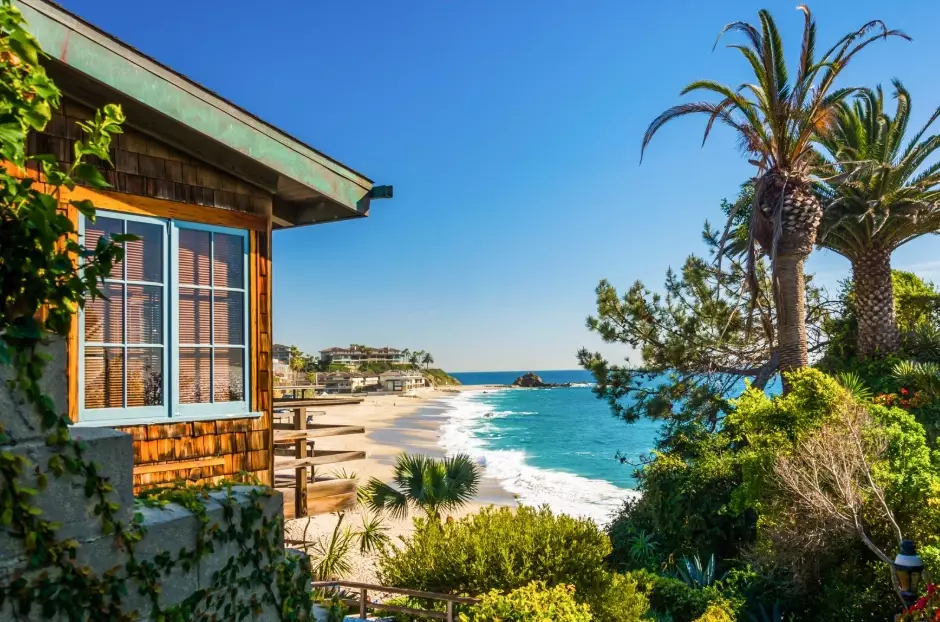
The Road Trip Hero: Motels
Don't you dare turn your nose up at a good motel. For a classic American road trip on Highway 1 or a stopover near a national park, they are iconic and practical. You can often park right outside your door, they're almost always cheaper than hotels, and the best ones have a retro charm you can't replicate. The trade-off? Thinner walls, sometimes sketchy neighborhoods, and amenities that can be hit-or-miss.
The key is research. A motel in Morro Bay might be a charming, family-run spot with ocean views. A motel on a commercial strip in Sacramento might just be a place to sleep. Check recent photos and reviews focusing on cleanliness and safety.
The Unique & Unforgettable
California does quirky like nowhere else. Want to sleep in a yurt among the redwoods? Check out the options in Mendocino. How about a converted train caboose? They've got that. A historic lighthouse keeper's cottage? Yep. For a truly special trip, this is where you can shine. Websites like Atlas Obscura Stays or even specific state park lodging pages (like for the California State Parks system) are goldmines for these.
Here’s a quick cheat sheet to compare the main types of California accommodation at a glance:
| Type | Best For | Watch Out For | Price Range (Per Night) |
|---|---|---|---|
| Luxury Hotel/Resort | Splurging, romance, amenities, service | Resort fees, parking costs, can feel generic | $300 - $1000+ |
| Mid-Range/Boutique Hotel | City breaks, couples, reliable comfort | Room size can be small, street noise | $150 - $350 |
| Vacation Rental (Whole Home) | Families, groups, long stays, cooking | Hidden fees, strict rules, inconsistent quality | $200 - $600+ (before fees) |
| Motel/Budget Hotel | Road trips, solo travelers, one-night stops | Location, noise, dated facilities | $70 - $180 |
| Hostel/B&B | Solo travelers, backpackers, socializing | Lack of privacy, shared bathrooms, curfews | $30 - $120 |
| Unique Stay (e.g., Glamping) | Special occasions, nature immersion, Instagram | Limited amenities, often remote, book far ahead | $150 - $500 |
Where to Stay? A Region-by-Region Breakdown
This is the heart of it. Picking the right region, and then the right neighborhood within it, is 90% of the battle for California accommodation.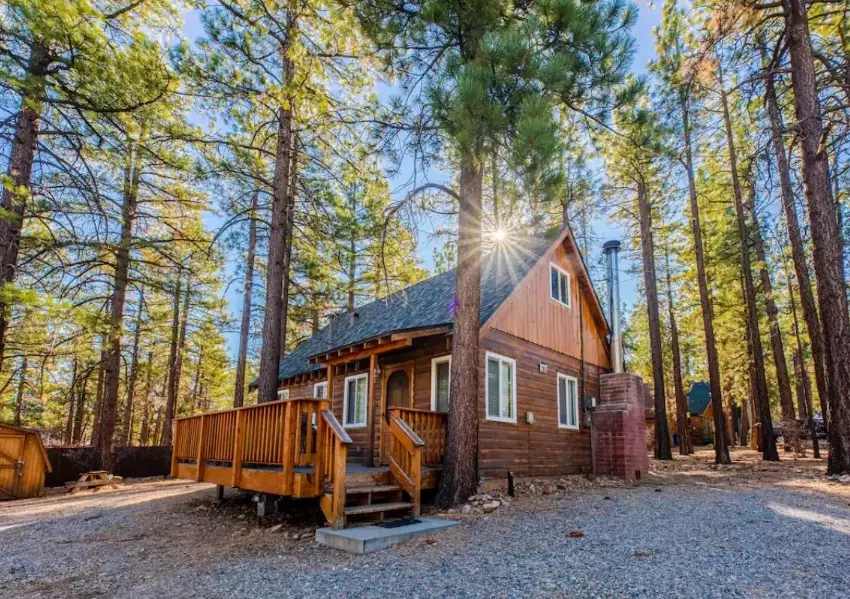
Northern California & San Francisco Bay Area
The Vibe: Tech money meets counterculture, fog, food, and fierce neighborhood pride.
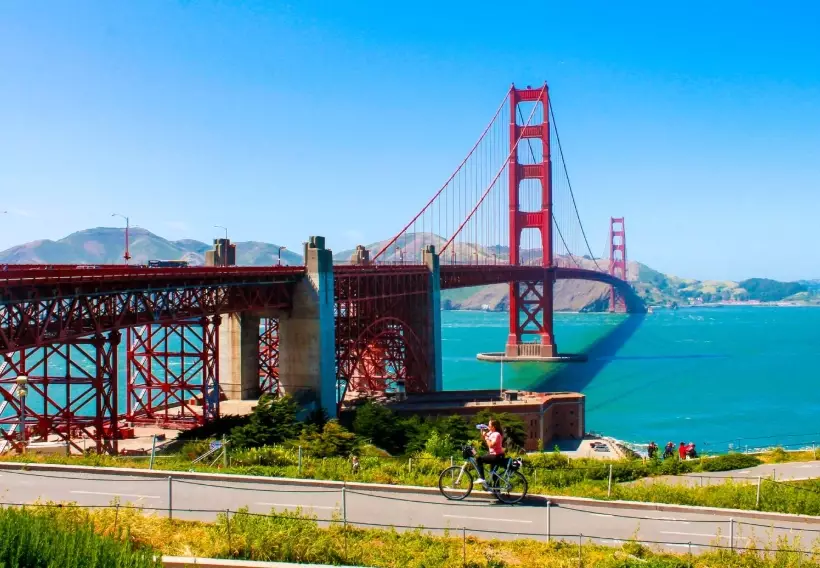
Accommodation Strategy: In SF, neighborhood is destiny. Want classic tourist? Union Square is packed with hotels (but can feel crowded). For foodies and a more local feel, try Hayes Valley or the Mission (though some parts can be gritty). For families, Fisherman's Wharf is cliché but practical. Across the Bay, Oakland and Berkeley offer often better value and a different, grittier creative energy.
My Pick for a Unique Experience: A boutique hotel in North Beach (Little Italy). You're steps from amazing food, coffee, and the charm of Washington Square, but away from the downtown bustle.
Central Coast & Big Sur
The Vibe: Dramatic cliffs, rustic elegance, artistic communities, and jaw-dropping coastal drives.
Accommodation Strategy: Book. Early. Seriously, places like the iconic Post Ranch Inn or even the simpler Big Sur River Inn sell out months in advance. For more flexibility and slightly lower prices, look at the towns just north or south like Carmel-by-the-Sea (charming, expensive) or Morro Bay (more casual, family-friendly). This is a prime area for unique cabins and B&Bs.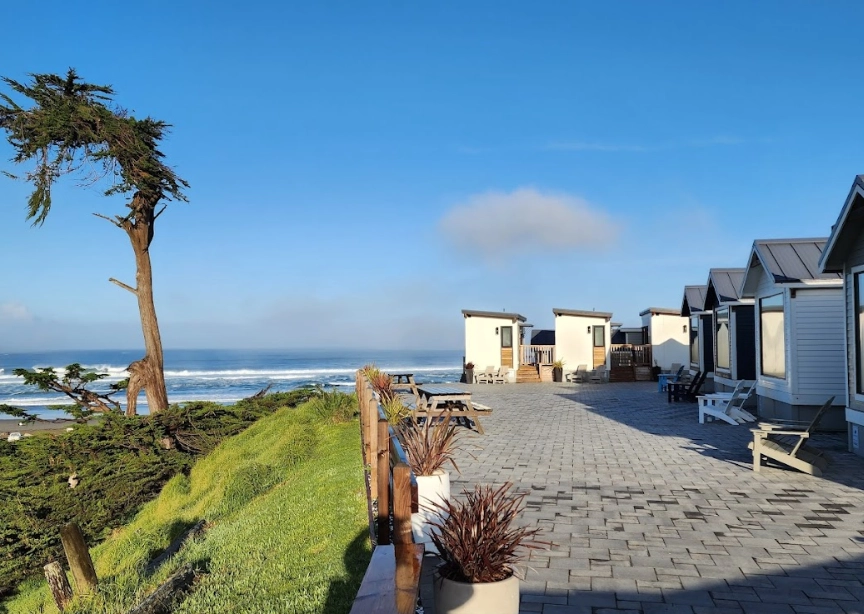
Los Angeles & Southern California
The Vibe: Sprawling, star-studded, beachy, traffic-choked, and endlessly diverse.
Accommodation Strategy: You must anchor your stay to your activities. Staying in Downtown LA to go to Santa Monica Beach every day is a special kind of hell (trust me, done it). Beach day focus? Stay in Santa Monica, Venice, or Manhattan Beach. Theme parks? Anaheim Resort District (convenient but pricey) or a cheaper hotel in nearby Buena Park. Hollywood for sightseeing? Walkable areas are limited, so check maps carefully. For a more relaxed, upscale feel, look at Pasadena or the hotels near Beverly Hills.
San Diego & Desert Regions
The Vibe: Perfect weather, laid-back surf culture, and then the stark, beautiful emptiness of the desert.
Accommodation Strategy: In San Diego, Pacific Beach and Mission Beach are for partying and beach volleyball. La Jolla is upscale and gorgeous. Coronado Island feels like a separate, perfect little world. For the deserts (Palm Springs, Joshua Tree), the accommodation is the experience. Mid-century modern rentals in Palm Springs are legendary. In Joshua Tree, it's all about the Airbnb or VRBO—a funky, themed house with a hot tub and a view of the rocks. Just know services (like grocery delivery) are limited.
The Art of the Booking: How to Actually Get a Good Deal
Finding the right type of accommodation in the right California region is half the job. Now you have to book it without getting ripped off.
Timing is Weirdly Important: For cities (SF, LA, SD), prices follow demand. Major conferences, holidays, summer weekends—all expensive. Sometimes a Tuesday-Wednesday stay is half the price of Friday-Saturday. For popular nature destinations (Yosemite, Big Sur), you're booking 6-12 months out for peak season, no joke. The official Yosemite National Park lodging site is your best, and often only, bet inside the park.
Direct Booking vs. Third-Party Sites: This is a constant debate. Aggregators (Kayak, Trivago) are great for research. But once you find a specific hotel, check its own website. Often they have a "best price guarantee" or will throw in free breakfast or parking if you book direct. For vacation rentals, you're usually stuck on the platform, but sometimes hosts list on multiple sites—prices can vary.
Cancellation Policies: Read them like your vacation depends on it. Non-refundable rates are cheaper, but are you 100% sure? With the uncertainty of travel lately, I often pay the slightly higher rate for free cancellation up to 48 hours before. It's worth the peace of mind.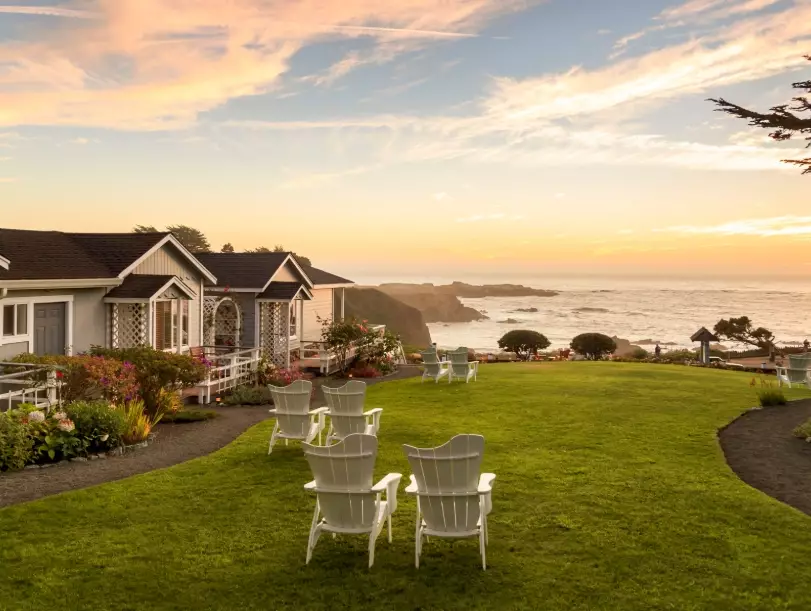
Questions I Get Asked All the Time (The FAQ Section)
Let's tackle some real-world questions that pop up when you're deep in the California accommodation hunt.
Is it better to stay in one place or move around?
Depends on your stamina. California is big. LA to San Francisco is a 6-hour drive without traffic (which never happens). Trying to do a "base" in LA and day-trip to San Diego is a brutal, 4+ hour round-trip drive. My rule: if two destinations are more than 3 hours apart, strongly consider moving your accommodation. It's less stressful and you get more actual vacation time.
What's the deal with parking?
In major cities, assume you will pay for parking, and it will be expensive ($40-$60/night in downtown SF or LA is common). It's a major hidden cost. When comparing hotels, a place with free or cheaper parking might be a better overall deal than a slightly cheaper room with $50 parking. For vacation rentals, always, always confirm the parking situation. "Street parking" in West Hollywood or North Beach can be a nightly scavenger hunt.
Are there any good last-minute deals for accommodation in California?
Sometimes, but it's risky. For off-season weekdays in cities, you might snag a hotel deal. For anything popular (beach towns in summer, national park gateways, weekends), last-minute usually means expensive or sold out. Apps like HotelTonight can work for truly flexible, spontaneous trips.
What about safety and neighborhoods?
This is crucial. A cheap hotel deal might be in a less-than-ideal area. Use Google Street View liberally. What do the surroundings look like? Read recent reviews and look for specific mentions of safety, especially if you're traveling solo or with kids. The touristy areas are generally safe but have typical big-city pickpocketing. Trust your gut and do your homework.
Final Thoughts Before You Hit "Book"
Choosing your accommodation in California is more than just picking a bed. It's choosing the backdrop for your adventure, your home base for making memories. Don't just chase the lowest price. Think about the experience you want. Do you want to fall asleep to the sound of the Pacific? Wake up in a vineyard? Be able to walk to a dozen taco shops?
Use the filters on booking sites, but don't be enslaved by them. Read between the lines of reviews. Look at a map. And remember, the perfect California accommodation is the one that sets you up to have the trip you actually want, not the one that just saves you twenty bucks a night.
Now go explore. The golden state is waiting, and you've got a great place to stay.



Comments
Leave a Comment