California in winter? Forget the postcard-perfect summer crowds. This is when the Golden State reveals a different, often more magical, personality. You get snow-dusted peaks in the Sierra, crisp, sunny days in the deserts, roaring Pacific waves along the coast, and festive cheer in the cities—all with fewer people and, in many cases, better prices. Having explored the state year-round for over a decade, I've found winter to be the secret season for some of the most memorable experiences. This isn't just a list; it's a curated guide to the 10 best winter destinations in California, packed with the specific details you need to plan your trip.
Jump to Your Winter Adventure
- 1. Yosemite National Park: A Snowy Cathedral
- 2. Lake Tahoe: The Ski & Snowplay Capital
- 3. Death Valley National Park: Warm Desert Solitude
- 4. Big Sur: Dramatic Coast Without the Fog
- 5. Napa & Sonoma Valleys: Quiet Vineyards & Tasting Rooms
- 6. San Diego: Endless Sunshine & Whale Watching
- 7. Palm Springs: Mid-Century Modern & Mountain Tram
- 8. Los Angeles: Festive Lights & Hiking in Comfort
- 9. Monterey & Carmel-by-the-Sea: Coastal Charm
- 10. Sequoia & Kings Canyon National Parks: Giants in the Snow
- California Winter Travel: Your Questions Answered
1. Yosemite National Park: A Snowy Cathedral
Summer's Yosemite is a spectacle. Winter's Yosemite is a sanctuary. The crowds thin out dramatically, and the valley floor gets a dusting (or a heavy blanket) of snow, turning El Capitan and Half Dome into breathtaking black-and-white monoliths. Yosemite Falls often has a beautiful ice cone at its base. Here’s the key most first-timers miss: while the valley is accessible (with tire chains required in your car), Glacier Point Road and Tioga Pass are closed. This actually simplifies your visit—focus on the valley.
Yosemite Winter Essentials
Address & Entry: The main entrance is via Highway 140. A 7-day vehicle pass is $35. Check the National Park Service website for real-time conditions.
Must-Do: Rent snowshoes or cross-country skis at the Badger Pass Ski Area (California's oldest ski area) for trails with epic views. The evening "Firefall" event at Horsetail Fall in mid-to-late February (if conditions align) is a legendary natural phenomenon, but requires planning and a reservation.
Pro Tip: Book a room at The Majestic Yosemite Hotel (formerly The Ahwahnee) for the ultimate cozy, historic experience, or stay in the gateway town of Mariposa for more budget-friendly options. Dining in the park is limited, so plan meals.
2. Lake Tahoe: The Ski & Snowplay Capital
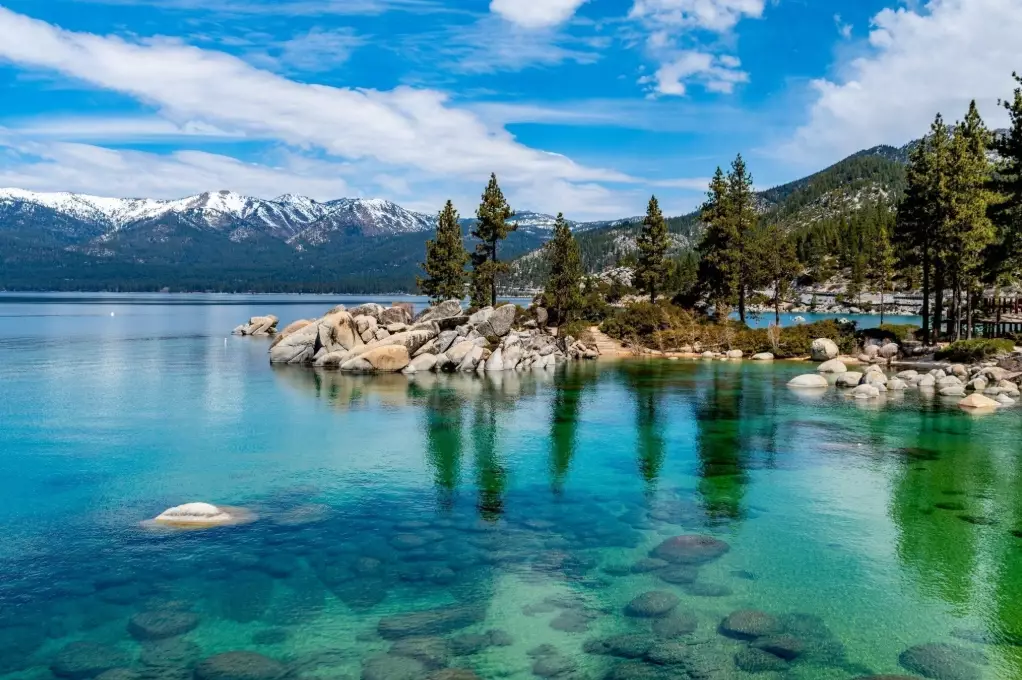
This is the undisputed winter sports hub. The lake itself, a stunning alpine blue, is framed by snow-covered pines and mountains. You have world-class downhill skiing and snowboarding at resorts like Palisades Tahoe, Heavenly, and Northstar. But Tahoe is more than just skiing.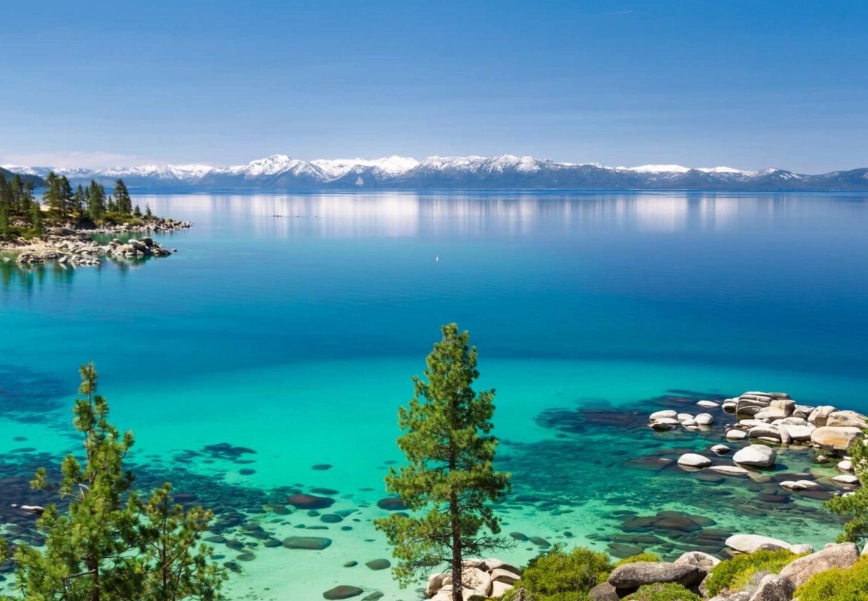
Beyond the Slopes: Tahoe's Winter Variety
For a unique perspective, take a snowmobile tour into the backcountry. Families love the tubing hills at Adventure Mountain Lake Tahoe or Palisades. For a serene moment, consider a guided snowshoe hike along a quiet lakeshore trail. The towns on the South Shore (Stateline, South Lake Tahoe) are buzzing with casinos and apres-ski life, while the North Shore (Tahoe City, Kings Beach) feels a bit more rustic and laid-back.
My personal gripe? The traffic on weekends and around holidays can be brutal on the two main roads, Highway 50 and 89. If you can, visit mid-week.
3. Death Valley National Park: Warm Desert Solitude
While the Sierra gets snow, Death Valley enjoys its mild and perfect season. Daytime temperatures are typically in the 60s and 70s °F (15-25°C), ideal for hiking. This is the time to tackle trails like the climb up Zabriskie Point or the walk into Golden Canyon without fearing heatstroke. The lack of vegetation means views are unobstructed and the geology takes center stage.
Star Wars fans, take note: Many Tatooine scenes were filmed here. Standing at Mesquite Flat Sand Dunes at sunset, you'll see why. The silence is profound. Stay at The Oasis at Death Valley for a resort feel or the historic Inn at Death Valley. Camping is also excellent in winter. Remember, it's a huge park—gas up in Beatty or Lone Pine before entering.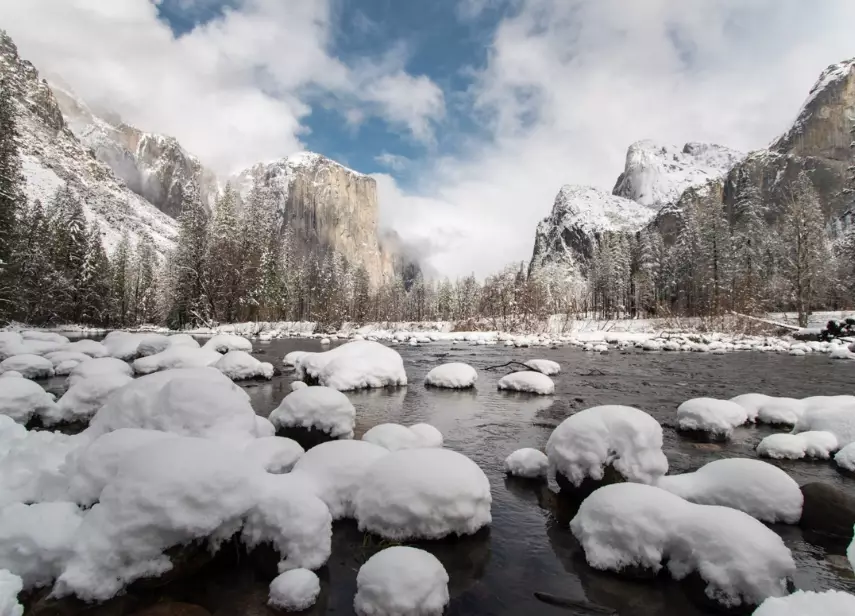
4. Big Sur: Dramatic Coast Without the Fog
Summer along Highway 1 can be shrouded in fog. Winter often brings clearer, crisper days with dramatic storm-watching opportunities. The waves are massive, crashing against the cliffs at places like McWay Falls in Julia Pfeiffer Burns State Park. The famous Bixby Creek Bridge looks even more striking against a moody sky. Luxury seekers book the Post Ranch Inn or Sierra Mar restaurant for an unforgettable meal with a view. For everyone else, pull over at the countless turnouts, breathe in the salty air, and just watch the Pacific roar. Be prepared for potential road closures due to slides—always check Caltrans road conditions before you go.
5. Napa & Sonoma Valleys: Quiet Vineyards & Tasting Rooms
The harvest frenzy is over. The vineyards are dormant, often with mustard plants blooming bright yellow between the rows—a stunning contrast. This is the time for intimate, unrushed wine tasting. You're more likely to get the winemaker's attention. Many tasting rooms have cozy fireplaces. Beyond wine, the hot air balloon rides (weather permitting) offer serene views of the misty valleys. Indulge in a spa day at one of the many luxury resorts. The towns of Healdsburg (Sonoma) and Yountville (Napa) are perfect for strolling and dining. It's a sophisticated, relaxing winter escape for adults.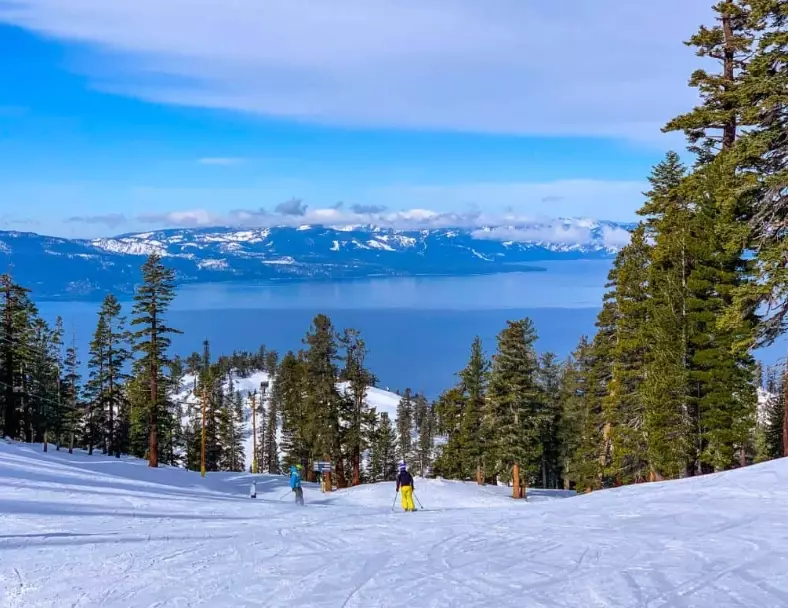
6. San Diego: Endless Sunshine & Whale Watching
San Diego's weather is famously consistent—mid-60s and sunny in winter is the norm. This is prime time for one of California's great wildlife spectacles: gray whale migration. From mid-December through April, you can see these giants from coastal cliffs at Cabrillo National Monument or take a whale-watching boat tour from Point Loma or Mission Bay. The zoo and Safari Park are less crowded and pleasant to explore. Balboa Park's museums are a great rainy-day option (though rain is rare). Compared to a snowy mountain getaway, this is the ultimate “no jacket required” winter trip.
7. Palm Springs: Mid-Century Modern & Mountain Tram
Palm Springs is a desert sun trap, perfect for poolside lounging (many hotel pools are heated). The architecture here is a major draw—take a self-guided tour of the iconic mid-century modern homes. The Palm Springs Aerial Tramway is a winter must-do. In 10 minutes, it climbs from the desert floor to the alpine wilderness of Mount San Jacinto State Park. At the top, there can be several feet of snow. You can rent snowshoes and hike, or just have a drink by the fireplace at the mountain station with views that stretch for miles. It's two climates in one day.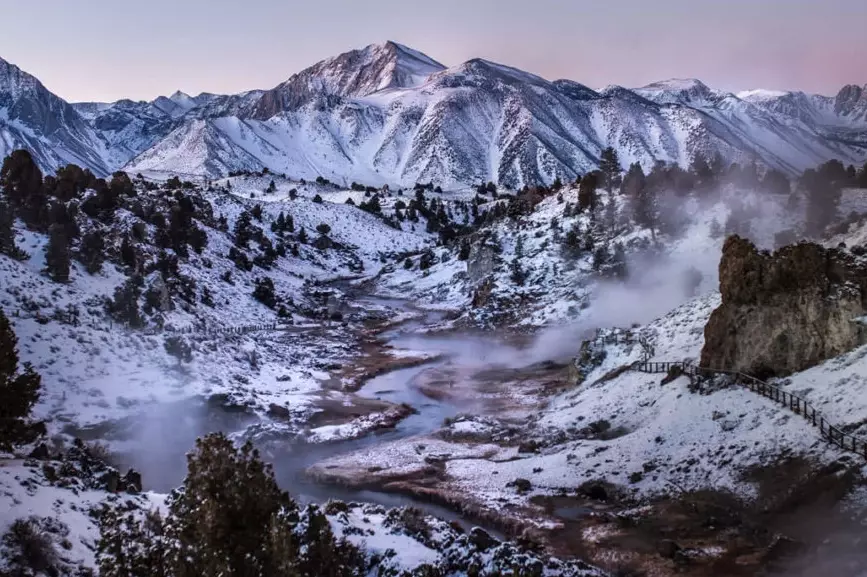
8. Los Angeles: Festive Lights & Hiking in Comfort
LA's winter is mild, making it perfect for activities that are miserable in summer heat. Hiking in Griffith Park to the Hollywood Sign or in the Santa Monica Mountains is actually enjoyable. The city goes all out for the holidays. Don't miss the Marina del Rey Boat Parade or the spectacular displays at neighborhoods like "Candy Cane Lane" in El Segundo. Museums like The Getty Center are less crowded. Sure, you might get some rain, but it usually passes quickly, leaving the air clear and the views from the hills extra sharp.
9. Monterey & Carmel-by-the-Sea: Coastal Charm
The Monterey Bay Aquarium is a world-class attraction any time of year, but in winter, you can watch storm-driven waves from its giant windows. The coastal path from Pacific Grove to Asilomar Beach is bracing and beautiful. The nearby town of Carmel-by-the-Sea is a storybook village perfect for window shopping and cozy dining. A short drive down 17-Mile Drive (the entrance fee is worth it) reveals iconic sights like the Lone Cypress against a wintery sea. It's a quieter, more romantic version of the California coast.
10. Sequoia & Kings Canyon National Parks: Giants in the Snow
If Yosemite's winter is famous, the winter in these neighboring parks is a well-kept secret. Standing beneath the General Sherman Tree, the largest living thing on Earth, while snow clings to its massive branches, is a humbling, almost spiritual experience. The Giant Forest is accessible (with chains) and utterly silent. Wolverton offers snowplay and cross-country skiing areas. The Grant Grove area in Kings Canyon is similarly magical. These parks feel more remote and wild than Yosemite in winter. You'll need to be more self-sufficient, but the reward is an unparalleled sense of peace among the ancient giants.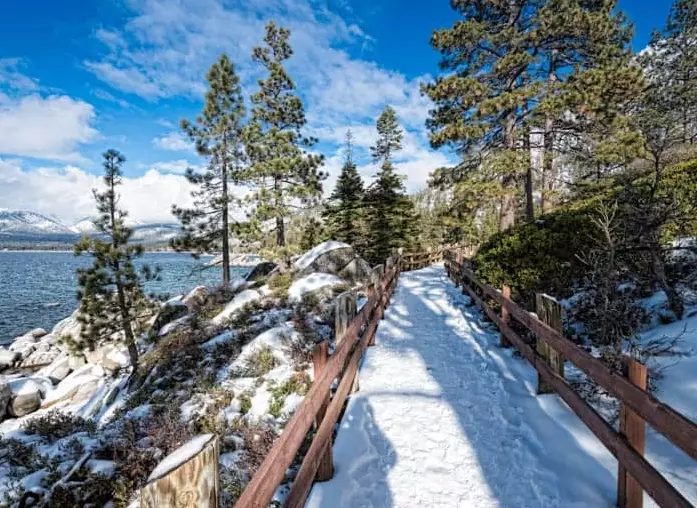



Comments
Leave a Comment