Let's cut to the chase. If you're planning a move or a dream trip to Europe, your budget is your biggest concern. You've heard Scandinavia is pricey, but how does it really stack up against Switzerland or a tiny tax haven? I've lived and traveled across the continent for years, and the cost differences aren't just about the exchange rate—they're woven into the fabric of daily life, from the price of a loaf of bread to the shockingly high taxes that fund those incredible social services.
Based on aggregated data from sources like Numbeo's Cost of Living Index and the Eurostat price level indices, combined with on-the-ground reality, here are the definitive top 10 most expensive countries in Europe. This isn't just a list; it's a breakdown of where your money goes and how you can navigate it.
What You'll Find Inside
- 1. Switzerland: The Undisputed Champion
- 2. Iceland: Remote Island Premium
- 3. Norway: Oil Wealth & High Standards
- 4. Denmark: Happiness at a Price
- 5. Luxembourg: The Wealthy Microstate
- 6. Ireland: The Celtic Tiger's Roar
- 7. Finland: Nordic Consistency
- 8. Sweden: The Balanced Approach
- 9. The Netherlands: Compact & Costly
- 10. Monaco: Playground of the Rich
- Quick Cost Comparison Table
- How to Stretch Your Budget in Expensive Destinations
- Your Cost Questions Answered
1. Switzerland: The Undisputed Champion
Switzerland isn't just expensive; it operates on a different financial plane. Zurich and Geneva consistently top global cost-of-living charts. A simple lunch at a casual restaurant can easily set you back 25-35 CHF (Swiss Francs), and a monthly public transport pass in Zurich costs around 85 CHF. Groceries from chains like Migros or Coop are high-quality but come with a hefty tag.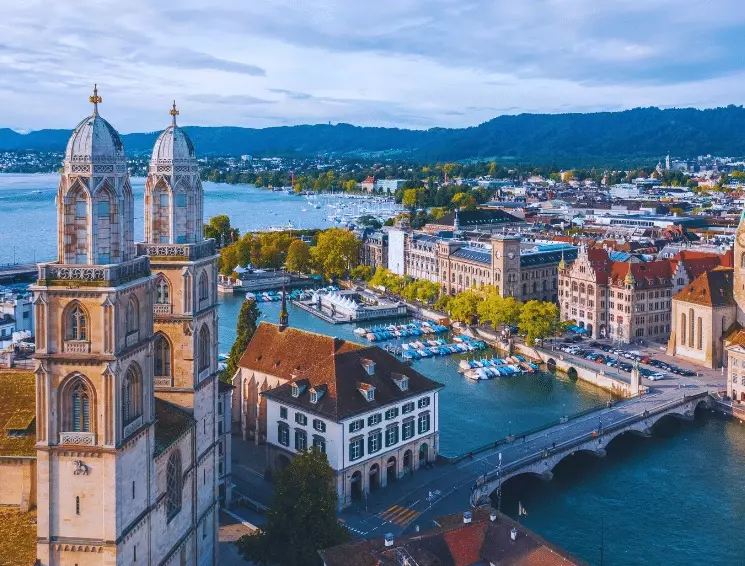
Why is it so costly? High wages, a strong currency (the Franc), and exceptional quality standards across the board. The silver lining? The efficiency and reliability you get for that money are unparalleled. Trains run on time to the second, and infrastructure is flawless.
2. Iceland: Remote Island Premium
Almost everything in Iceland is imported, which explains a lot. A famous example? A basic fast-food burger and fries can cost over 2,000 ISK (around $15). Alcohol is sold only in state-run stores (Vínbúðin) at eye-watering prices—a bottle of decent wine starts at 3,000 ISK.
Travel costs add up quickly. Car rentals, fuel, and organized tours to see glaciers and waterfalls are major expenses. Accommodation outside Reykjavík is limited and pricey, especially during the summer midnight sun season.
3. Norway: Oil Wealth & High Standards
Norway uses its oil revenue to fund a generous welfare state, but it also creates a high-wage, high-price economy. Oslo is particularly tough on wallets. A pint of beer in a pub? Expect 90-120 NOK. Even a takeaway coffee is rarely under 40 NOK.
One specific, often overlooked cost? Automotive-related expenses. Toll roads, ferries (essential for coastal travel), and parking in cities are astronomical. Norwegians accept this as the trade-off for pristine nature and well-maintained roads through fjords.
4. Denmark: Happiness at a Price
Copenhagen's charm is expensive. The 25% VAT (sales tax) is baked into everything. Dining out is a luxury—a main course at a mid-range restaurant starts at 150-200 DKK. The famous Copenhagen hot dog from a street stall is one of the few remaining "budget" eats at around 30-40 DKK.
Where Denmark gets you is in daily conveniences. Biking is the way to go, but if you need public transport, a two-zone ticket in Copenhagen costs 24 DKK. The workaround? The Copenhagen Card for tourists covers transport and many attractions.
5. Luxembourg: The Wealthy Microstate
Luxembourg's high cost is driven by its role as a global financial hub. Rents and real estate in Luxembourg City are among the highest in the Eurozone, rivaling Paris. However, there's a fascinating twist: public transport within the entire country is completely free. This is a massive saving most rankings don't factor in intuitively.
So while housing and dining are steep (a business lunch in the Kirchberg district is easily 50+ EUR), you can explore the entire country by train and bus without spending a cent on fares.
6. Ireland: The Celtic Tiger's Roar
Dublin has seen a dramatic cost surge, primarily due to a severe housing crisis. Rents are brutally high, often consuming a huge portion of salaries. A pint of Guinness in a Temple Bar pub? That'll be 6.50 EUR or more, a classic tourist trap.
Groceries are also costly, partly due to Ireland's island status and high standards. A common complaint among locals is the "double hit" of high rents and high everyday prices, squeezing disposable income despite strong tech-sector wages.
7. Finland: Nordic Consistency
Helsinki is the main expense hub. Like its neighbors, Finland has high taxes funding education, healthcare, and social security. Alcohol is heavily taxed, with a bottle of wine in a restaurant carrying a significant markup. A memorable cost? Public saunas, a cultural staple, can have entry fees of 15-20 EUR.
Finns mitigate costs through practicality. The "lounas" (lunch buffet) culture offers hearty, all-you-can-eat meals at workplaces and restaurants for a fixed price (typically 11-14 EUR), which is considered a good deal.
8. Sweden: The Balanced Approach
Stockholm and Gothenburg are pricey, but many find Sweden slightly more manageable than Norway or Denmark. The infamous "Systembolaget" alcohol monopoly keeps prices high but uniform. A dining trend that impacts cost is the prevalence of sharing plates and tasting menus, which can make a meal less predictable and often more expensive than a traditional main course.
Swedes are masters of "fika"—the coffee and pastry break. While a coffee and cinnamon bun at a cafe is a ritual, doing it daily adds up quickly (60-80 SEK per fika).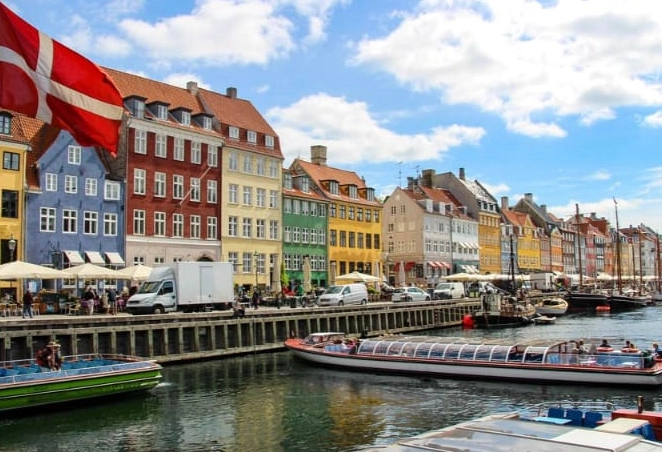
9. The Netherlands: Compact & Costly
Amsterdam's global popularity is a key driver. Tourist demand has inflated prices for short-term rentals, hotels, and restaurants in the canal belt. A hotel room in the city center can easily exceed 200 EUR per night. Even for residents, housing is a national crisis, with intense competition and high prices.
Beyond Amsterdam, cities like Utrecht and Rotterdam are also becoming expensive. The cycling culture saves on transport, but other costs, like insurance and utilities, are substantial.
10. Monaco: Playground of the Rich
Monaco is in a league of its own. It's not expensive in the conventional sense; it's designed for ultra-high-net-worth individuals. Everyday metrics like grocery prices are irrelevant here. The cost is in the lifestyle: multi-million-euro apartments, marina fees for superyachts, and membership to exclusive clubs.
For a visitor, a modest hotel room can cost 300-400 EUR per night. A coffee on the Casino Square might be 10 EUR. It's less about living and more about the spectacle of wealth. Unless your budget is virtually unlimited, you experience Monaco as a brief, very costly day trip from Nice.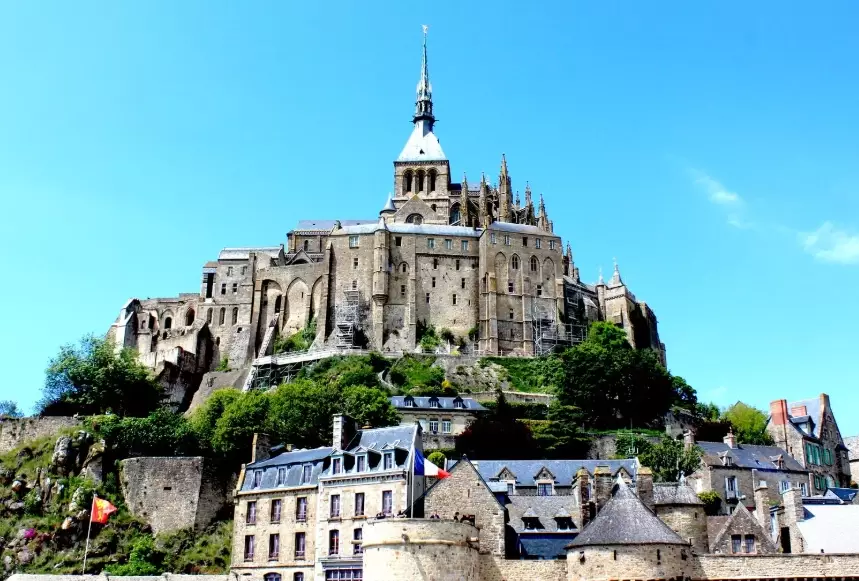
Quick Cost Comparison Table
This table puts the daily reality into perspective. Prices are approximate averages for major cities and can fluctuate.
| Country (City Example) | Coffee (Cafe) | Cheap Meal | Beer (Pub) | 1km Taxi Ride | Monthly Transport Pass |
|---|---|---|---|---|---|
| Switzerland (Zurich) | 5.00 CHF | 25.00 CHF | 7.00 CHF | 4.00 CHF | 85.00 CHF |
| Norway (Oslo) | 40.00 NOK | 180.00 NOK | 100.00 NOK | 50.00 NOK | 810.00 NOK |
| Denmark (Copenhagen) | 45.00 DKK | 120.00 DKK | 60.00 DKK | 30.00 DKK | 530.00 DKK |
| Ireland (Dublin) | 3.50 EUR | 15.00 EUR | 6.50 EUR | 1.80 EUR | 120.00 EUR |
| Netherlands (Amsterdam) | 3.50 EUR | 15.00 EUR | 6.00 EUR | 2.50 EUR | 100.00 EUR |
How to Stretch Your Budget in Expensive Destinations
You don't have to be a millionaire to visit these countries. You just need a different strategy.
Embrace the Supermarket
This is the number one rule. Chains like Coop (Switzerland), Rema 1000 (Norway/Denmark), and Albert Heijn (Netherlands) are your best friends. Buy bread, cheese, fruit, and pre-made salads for lunches. It cuts your daily food budget by 60% or more.
Rethink Accommodation
Look beyond the capital cities. Stay in a town 30 minutes away by train—you'll save a fortune on hotels. Consider guesthouses ("pension" or "gasthof") or, for longer stays, serviced apartments with a kitchenette.
Leverage Free Transit & City Cards
Luxembourg's free transport is the extreme example, but many cities have tourist cards (Copenhagen Card, Oslo Pass, Stockholm Pass) that include transport and museum entries. Do the math—if you plan to visit two attractions and use transit, it often pays for itself.
Drink Tap Water
Tap water is safe and excellent in all these countries. Insisting on tap water in restaurants (it's often free or very cheap) instead of bottled water or soft drinks saves money every meal.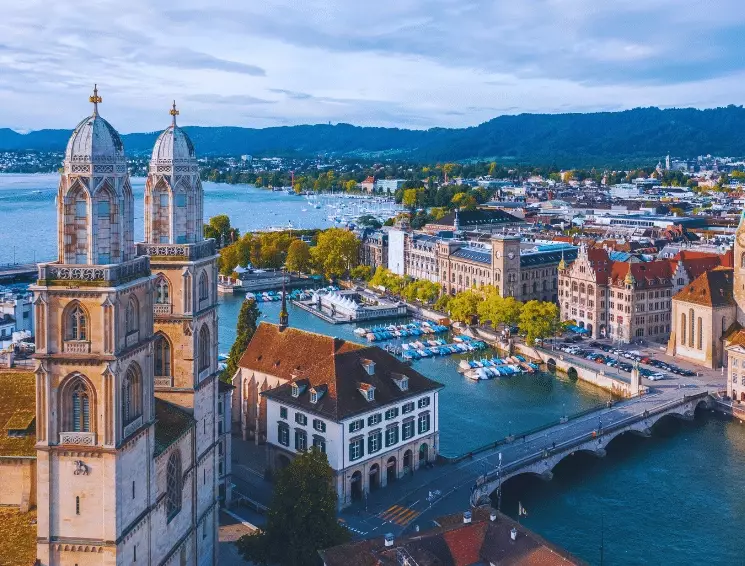


Comments
Leave a Comment