You've seen the pictures: a sea of people on the Golden Gate Bridge, a two-hour line for a photo at the Hollywood sign, bumper-to-bumper traffic on Pacific Coast Highway. That's the California postcard for many. But what if your California dream is different? What if you want to hear the waves crash without a Bluetooth speaker battle, or hike a trail where the only sound is your own breath? It's possible. You just need to know when to go.
I learned this the hard way. My first trip to Yosemite Valley was in July. I spent 45 minutes circling for a parking spot and shared the Mist Trail with what felt like a small city. It was beautiful, sure, but it wasn't peaceful. Since then, after a decade of exploring the state, I've cracked the code. Avoiding crowds in California isn't about luck; it's about understanding patterns and making strategic choices.
Your Quick Guide to a Crowd-Free California Trip
Understanding the California Crowd Pattern
California's crowds follow a predictable rhythm dictated by three things: school schedules, weather, and major events. The absolute peak is summer (mid-June to late August), when families are free and the weather is reliably warm everywhere. This is followed by spring break (March-April) and holiday periods (Thanksgiving week, Christmas through New Year's).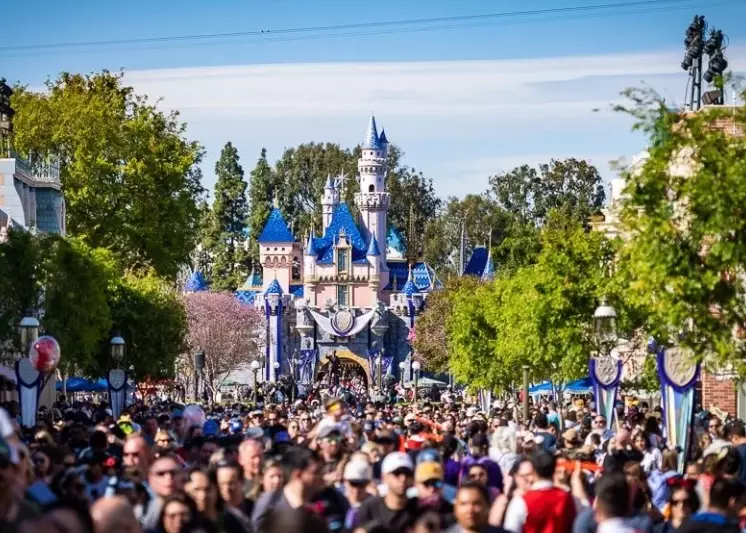
The secret lies in the shoulder seasons: the sweet spots just before or after the peak. For most of the state, this means late April to early June and September through October. The weather is still excellent, but the tourist hordes have thinned. Then there's the off-season (November to March, excluding holidays), where you'll find the deepest solitude, but you trade perfect weather for it, especially in the mountains and north coast.
Pro Insight: Don't just think about months; think about days of the week. A Tuesday in July at a popular spot will still be busy, but it's a world apart from a Saturday in July. For city attractions, weekdays are almost always better. For parks, arriving on a Sunday afternoon as weekenders leave can set you up for a quiet Monday.
National Parks: Yosemite, Sequoia & Beyond
This is where timing matters most. A crowded park isn't just annoying; it can mean denied entry due to reservation systems.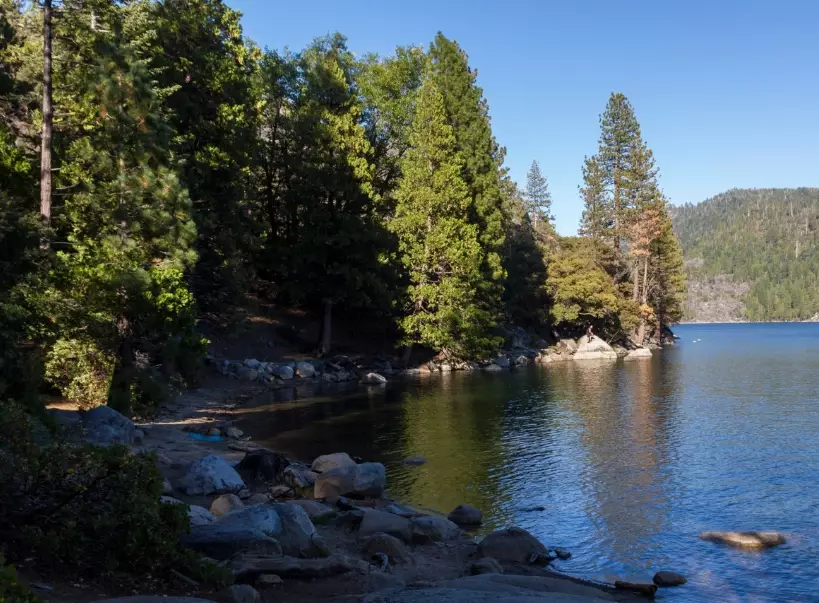
Yosemite National Park
Yosemite's iconic valley is a magnet. The park now often requires reservations for peak periods. Here’s the breakdown:
- Best for Solitude & Snow: January to March. You'll have frozen waterfalls and snowy meadows mostly to yourself. But Tioga Road and Glacier Point are closed. It's a different, quiet, winter-sport focused experience.
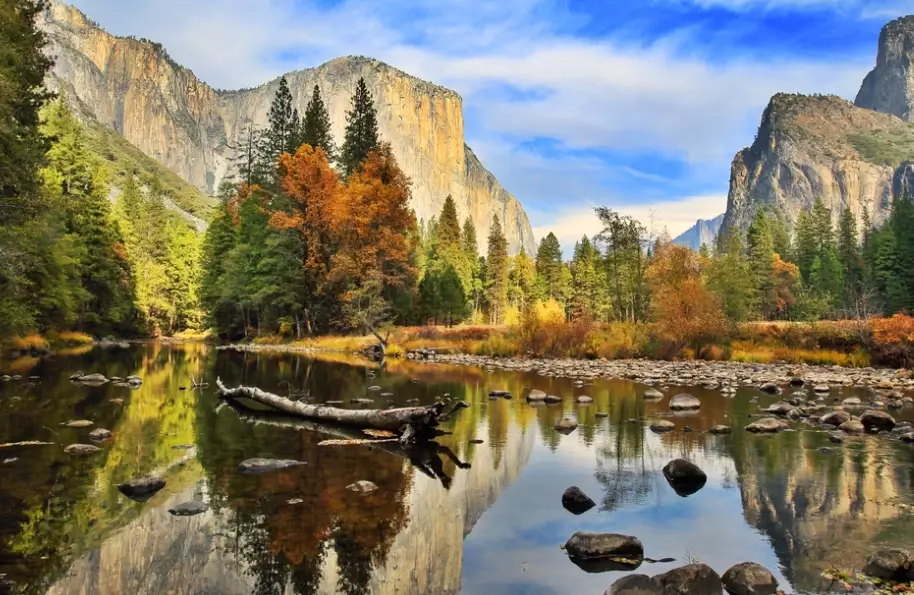
- The Sweet Spot (My Favorite): Late September through October. Summer crowds are gone, the weather is crisp, waterfalls might be a trickle, but the fall colors are starting and hiking is perfect. No reservation system is typically in place then.
- Shoulder Season Goodness: April to early May. Waterfalls are thunderous with snowmelt, wildflowers bloom, but higher elevations are still closed. Can be busy on weekends.
- Peak Chaos: Memorial Day through Labor Day. Book everything a year in advance.
Other Major Parks (Sequoia, Kings Canyon, Joshua Tree)
The pattern is similar but with twists.
| Park | Best Quiet Time | Why It Works | Big Caveat |
|---|---|---|---|
| Sequoia & Kings Canyon | Late September - October | Summer families are gone, roads are open, hiking weather is ideal. | Higher elevations (like Mineral King) get cold fast in October. |
| Joshua Tree | November - February (weekdays) | Escapes the brutal summer heat and the spring wildflower frenzy. | Winter weekends can be surprisingly busy. Nights are very cold. |
| Redwood National & State Parks | April - May, September - October | Beats the summer coastal fog and RV traffic. Rain is less likely than in winter. | The weather is always unpredictable here. Pack layers. |
Theme Parks: Disneyland & Universal Studios
For theme parks, you need a microscope. Crowd calendars are your best friend. The rule is simple: avoid all school holidays.
Disneyland Resort's quietest periods are:
- Mid-January through mid-February (after the New Year's rush, before Presidents Day).
- Weekdays in late April and early May (after spring break, before summer).
- Weekdays in late August through September (when schools in many states are back in session but the weather is still good).
The absolute worst times? The week between Christmas and New Year's, and any day in July. A pro tip: Disneyland is often quieter on days when Southern California resident discount tickets are blocked out. Check their calendar.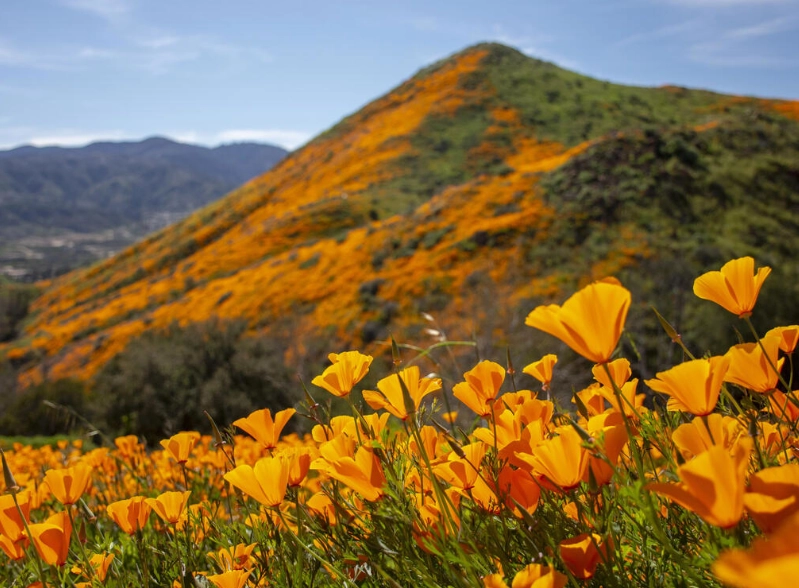
Universal Studios Hollywood follows a similar pattern but is more susceptible to local crowds on weekends. Your best bet is a Tuesday, Wednesday, or Thursday during those off-peak school periods mentioned above.
Watch Out: Even during a "quiet" period, a single day can be packed if there's a special event, like Disney's Oogie Boogie Bash in the fall, which draws huge crowds on select nights. Always check the park's event calendar.
Coastal Cities: San Francisco, LA, San Diego
City crowds are a mix of tourists and locals. The weather creates inverse patterns between north and south.
San Francisco: Its summer (June-August) is famously foggy and chilly, but it's still the peak tourist season. For better weather and fewer people, target September and October. The "Indian Summer" brings warm, clear days. April and May are also lovely, though can be rainy. Avoid major convention dates at Moscone Center.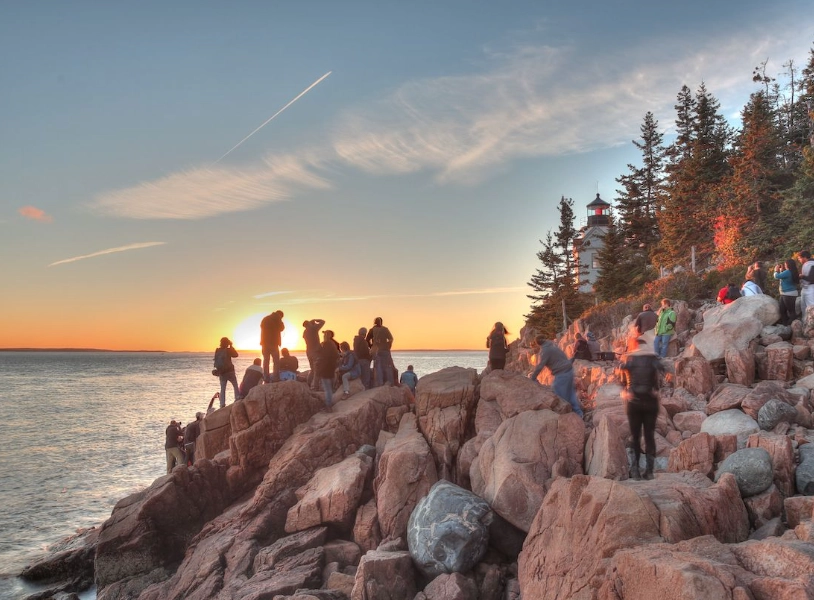
Los Angeles & San Diego: They have perfect weather most of the year, so crowds are more tied to school breaks. The quietest, most pleasant times are the shoulder seasons: April-May and September-October. You'll miss the summer beach chaos and the June Gloom marine layer. In San Diego, after the summer kids leave, the city feels more relaxed, and the water is warmest for swimming in September.
The Desert & The Sierras: Hidden Gems
To truly escape, go where the big tours don't.
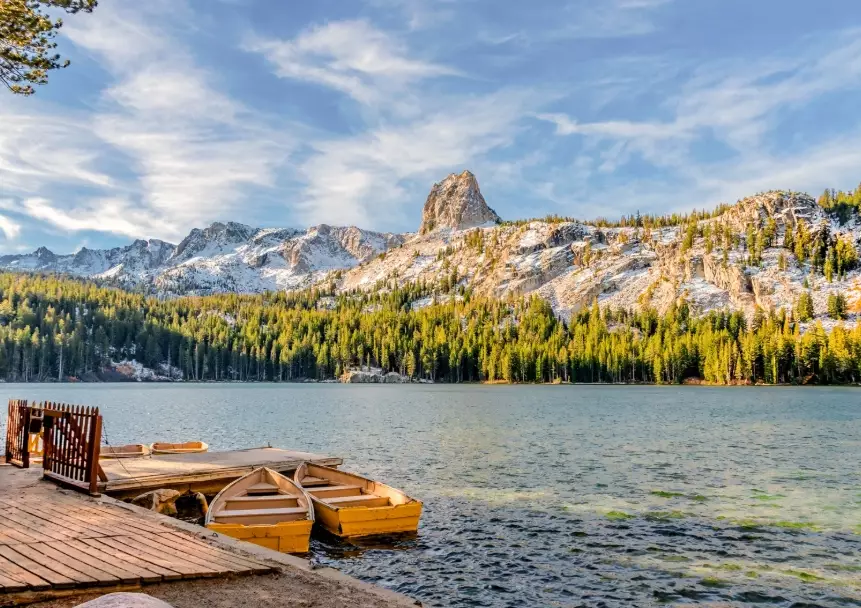
Eastern Sierra (Mammoth Lakes, Bishop, Lone Pine): This is my top recommendation for alpine beauty without Yosemite's lines. The prime time here is June (before the full summer crush) and late September to early October for stunning aspen colors. In June, you might find snow at higher passes, but trails at mid-elevation are clear and empty.
Death Valley National Park: The quiet time is the opposite of logic. Visit in the dead of winter (December-February). It's the only time the temperatures are humane for exploration. It's the park's "high season," but "crowded" here means a few more cars at Zabriskie Point at sunrise, not a queue. Summer is brutally empty because it's lethally hot.
Crowd-Avoidance Logistics: Hotels & Transport
Your timing strategy falls apart if you don't apply it to logistics.
Hotels: In shoulder and off-seasons, you have leverage. Prices drop, especially at resorts near parks or beach towns. You can often book last-minute deals. In places like Lake Tahoe or Palm Springs, the difference between a weekend rate in February (ski season) and a weekday rate in late April is staggering.
Transportation: Traffic is your biggest daily crowd. In cities, use public transit to avoid parking nightmares. To drive the Pacific Coast Highway (PCH) peacefully, go northbound on a weekday morning. Most tourists drive south from SF to LA, creating a slow-moving convoy. Driving north, you have the lane closest to the ocean views with fewer RVs in front of you.
For park entrances, aim to arrive before 8 AM or after 3 PM. You'll miss the morning rush and catch the late afternoon light.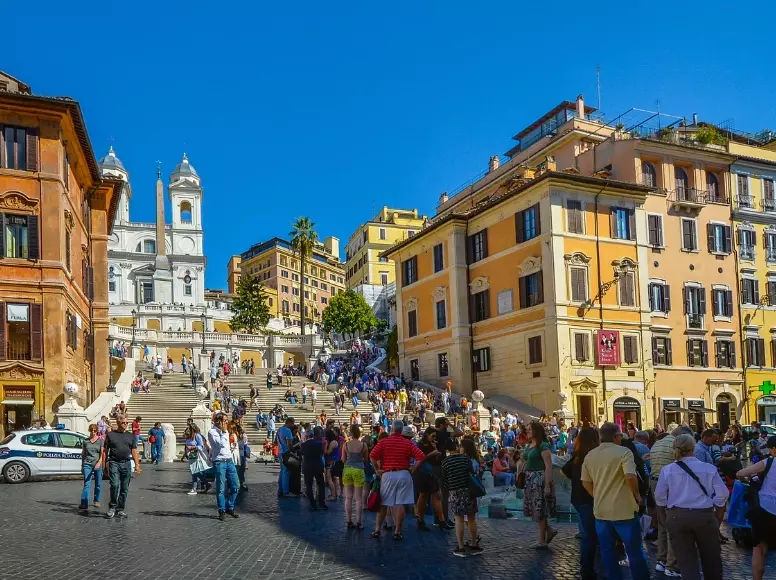
Your Crowd Questions Answered
The bottom line? Avoiding California crowds is less about finding a secret month where no one goes (that month doesn't exist) and more about strategic misalignment. Go against the grain of school schedules, aim for shoulder seasons, embrace weekday travel, and sometimes, trade perfect weather for perfect peace. Your quiet California dream is waiting—you just have to pick the right window.
Comments
Leave a Comment