Ranking European countries for travel is a fool's errand, right? Everyone has different tastes. But after a decade of hopping between Schengen zones and island-hopping in the Med, I've seen patterns. Most "top 10" lists just parrot the same big names. I want to give you something better: a functional ranking based on what you actually want from a trip. Let's cut through the postcard clichés and find your perfect European match.
Your Quick Guide to This Ranking
How We Ranked These European Countries
Forget just counting UNESCO sites. This ranking balances four pillars:
Cultural Density & Access: How much history, art, and local life can you experience without a car? Can you walk from a world-class museum to a vibrant local market?
Food Scene & Affordability: Is the food a highlight itself? Can you eat incredibly well on a moderate budget, or are you locked into tourist traps?
Scenic Beauty & Variety: Does the country offer more than just cities? Think coastlines, mountains, lakes, and countryside accessible within a short trip.
Practicality for Travelers: Infrastructure, ease of transport, language barriers, overall value for money, and that intangible "vibe"—is it welcoming or worn out by tourism?
The biggest mistake I see? Travelers treating Europe as a monolith. A foodie and a hiker need completely different lists. So, the main table gives an overall score, but pay attention to the "Best For" column—that's your real key.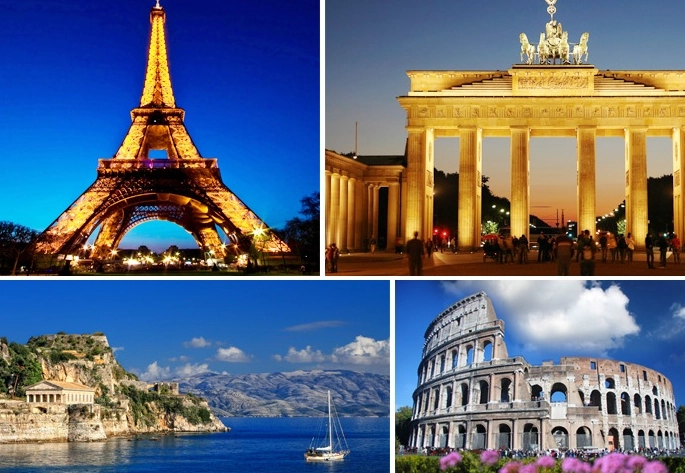
The Ultimate European Country Ranking for Travelers
Here’s the breakdown. I've controversially left out a couple of giants that, in my experience, often disappoint first-time visitors due to cost and overcrowding.
| Rank | Country | Best For | Can't-Miss Highlight | Avg. Daily Budget* | Best Time to Visit | My Take |
|---|---|---|---|---|---|---|
| 1 | Italy | Culture, Food, First-timers | The sheer depth: Roman ruins, Renaissance art, Alpine lakes, and coastal villages all in one trip. | €110-€180 | May-June, Sept-Oct | It's popular for a reason. The trifecta of food, art, and landscape is unbeatable. Just get out of Venice in July. |
| 2 | Portugal | Value, Food, Coastal Scenery | Lisbon's trams and pasteis de nata, plus the dramatic cliffs of the Algarve or the Douro Valley. | €80-€130 | March-May, Sept-Oct | The best value in Western Europe. Feels authentic, manageable, and stunningly beautiful. My top recommendation for budget-conscious travelers who don't want to compromise. |
| 3 | Spain | Vibrant Cities, Food, Beaches | The insane energy of Barcelona and Madrid, contrasted with the Moorish history of Andalusia (Seville, Granada). | €90-€150 | April-June, Sept-Oct | If you want to *feel* a place's pulse, Spain delivers. The late-night culture and tapas bar crawls are a unique experience. |
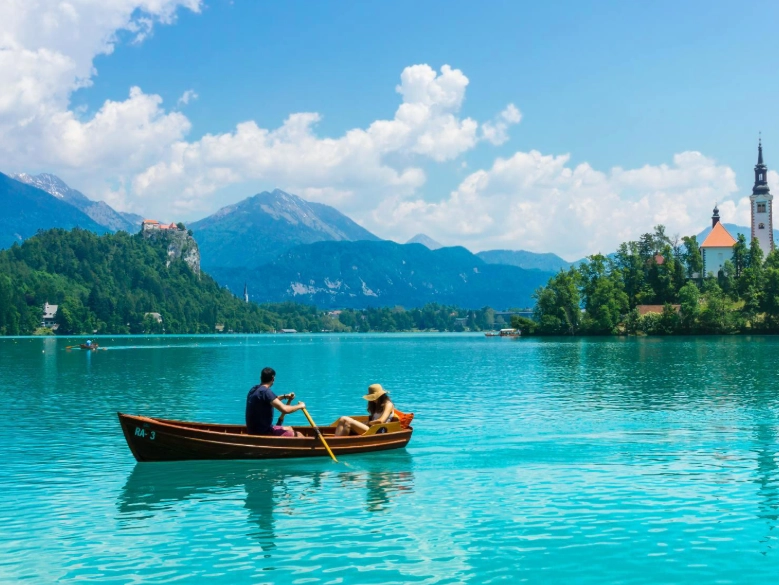
| 4 | Slovenia & Croatia | Nature, Adventure, Value | Slovenia's Lake Bled & Julian Alps; Croatia's Dalmatian Coast (Split, Dubrovnik) and Plitvice Lakes. | €70-€120 (SLO) / €90-€160 (CRO) | May-June, Sept | Grouped because they're perfect for a combo trip. Slovenia is Europe's best-kept secret for outdoors. Croatia's coast is crowded in peak summer but magical in shoulder season. |
| 5 | France | Food, Refined Culture, Variety | Beyond Paris: Provence's lavender fields, the wine regions (Bordeaux, Burgundy), and the Alpine towns. | €120-€200+ | April-June, Sept-Oct | It demands a higher budget to truly enjoy. The magic is in the countryside and regional specialties, not just the Eiffel Tower. |
| 6 | Greece | History, Island Life, Sun | The Acropolis at sunset, then ferrying to lesser-known Cycladic islands like Naxos or Milos. | €90-€160 | May-June, Sept-Oct | July-August on Santorini is a beautiful nightmare. Go slightly off-season and focus on one mainland region and one or two islands. |
| 7 | Austria & Switzerland | Alpine Scenery, Efficiency, Cleanliness | Austria's Salzburg and Hallstatt; Switzerland's Bernese Oberland train journeys. | €130-€250+ | June-Sept (Alps), Dec-March (ski) | Breathtakingly beautiful but painfully expensive. Switzerland, in particular, requires meticulous budgeting. Best for those prioritizing natural beauty over everything else. |
| 8 | Czechia & Poland | Budget, History, Medieval Cities | Prague's castle and Charles Bridge (go early!); Kraków's Main Square and proximity to Auschwitz. | €60-€100 | May-June, Sept-Oct | Unbeatable for your money. The history is profound and recent. Food is hearty, beer is cheap, and the cities are stunningly preserved. |
| 9 | Norway | Epic Nature, Fjords, Hiking | The Norway in a Nutshell route, hiking to Trolltunga, and chasing the Northern Lights in winter. | €150-€300+ | June-Aug (midnight sun), Feb-March (winter) | It will ruin all other scenery for you. It's also the most expensive place on this list. A once-in-a-lifetime splurge for nature lovers. |
| 10 | Scotland | Rugged Landscapes, History, Whisky | Edinburgh's Royal Mile, driving the North Coast 500, exploring the Isle of Skye. | €100-€170 | May-Sept (better weather) | Weather is a gamble, but the dramatic, moody landscapes are worth it. The people are incredibly friendly, and the sense of history is palpable. |
*Average Daily Budget: Mid-range traveler (moderate hotel/Airbnb, meals at local restaurants, paid attractions, local transport).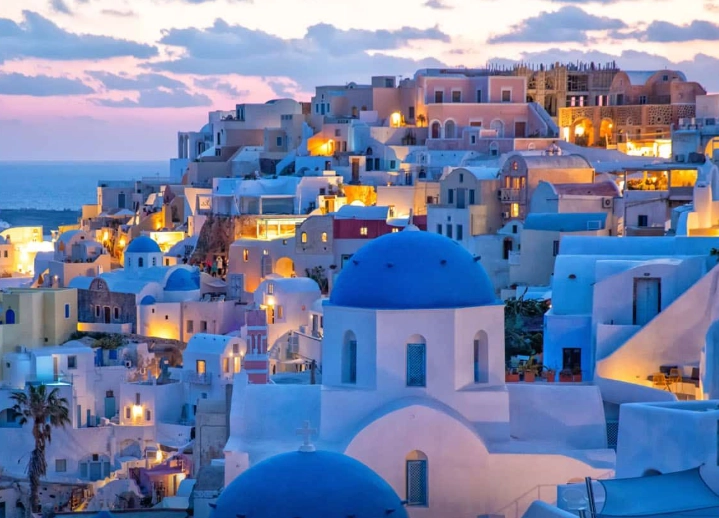
A Quick Reality Check
Notice how the UK (specifically England) and Germany aren't in the top 10? For a first or second European trip, they often spread themselves too thin. London is a world-class city, but as a *country* visit, it's expensive and the travel experience between cities isn't as scenic or seamless as in Italy or Spain. Germany has fantastic Christmas markets and history, but its beauty is often more subtle than the immediate wow factor of its neighbors. They're great for specific interests, not necessarily the best all-rounders.
How to Choose the Right European Country for You
The table is a start, but let's get personal.
If you're a foodie on a budget: Look immediately to Portugal and Spain. A sit-down meal with wine in Porto or Granada can cost half of what it does in Paris. Italy is worth every euro, but you'll pay for the privilege.
If you have 10 days or less: Pick ONE country, maybe two if they share a border (like Slovenia+Croatia). Do not try to do Rome, Paris, and Barcelona in a week. You'll live on trains and in airport queues. Depth beats breadth every time.
If you're traveling with family (kids/teens): Italy and Spain are winners. The food is familiar-ish, the sights are engaging (gladiators! Gaudi!), and the pace can be flexible. The efficiency and safety of Austria or Switzerland also work well.
If you're a solo traveler seeking social interaction: Hostel scenes in Portugal, Spain, and Croatia are fantastic. Cities like Lisbon, Barcelona, and Split are built for mingling.
If you hate crowds: Avoid July and August in Italy, Greece, Croatia, and Barcelona. Full stop. Go in May, June, or September. Or, pivot entirely to the Baltics (Estonia, Latvia, Lithuania) or the Balkans (North Macedonia, Albania) for incredible value and fewer tourists.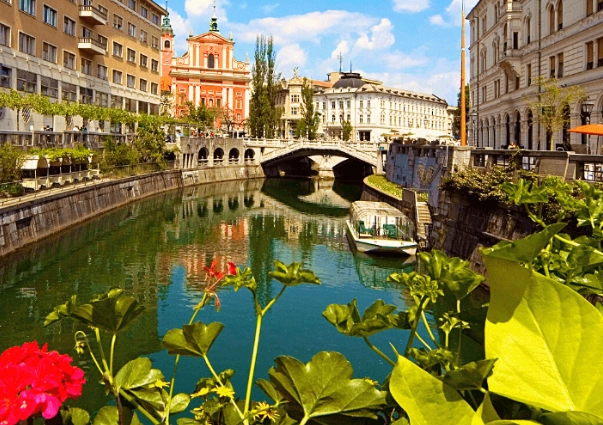
The One Thing Everyone Gets Wrong
Over-planing city time and under-planing transportation logistics. You know how long you'll be in the Louvre, but did you check if the regional train from Rome to the Amalfi Coast requires a reservation? Or that most European museums are closed on one specific weekday (often Monday or Tuesday)? This lack of practical logistics research kills itineraries.
From Ranking to Reality: Itinerary Ideas for Top Picks
Let's make this actionable. Here are two sample frameworks based on the top-ranked countries.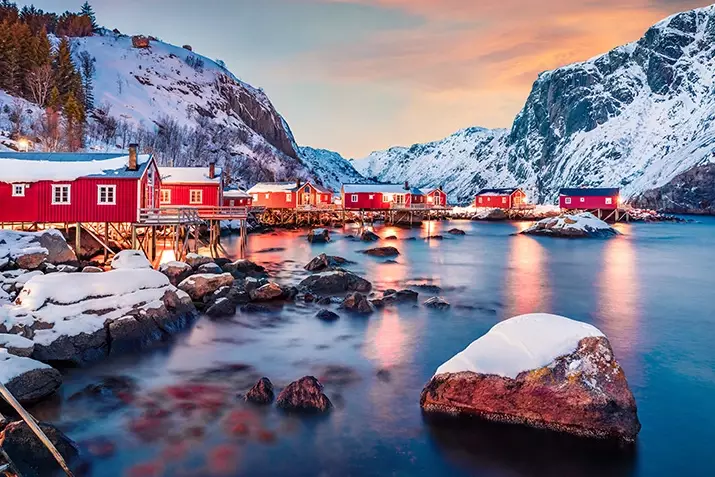
Italy Classic (10-12 Days): The Balanced Introduction
- Days 1-3: Rome. Colosseum, Roman Forum, Vatican Museums (book tickets months in advance for the latter). Stay in Trastevere for evening atmosphere.
- Days 4-5: Florence. Uffizi Gallery, Accademia (David), climb the Duomo. Day trip by train to Siena.
- Days 6-8: Tuscan Countryside. Rent a car. Stay in a farmhouse (agriturismo) near Montepulciano. Visit hill towns like Pienza and Montalcino. This is the breather from cities most people skip but always remember most fondly.
- Days 9-12: Venice. Fly out of Venice (VCE). Get lost in the back canals, visit the islands of Murano/Burano. It's expensive and crowded, but it's Venice.
Portugal & Spain Combo (14 Days): Value & Vibes
- Days 1-4: Lisbon. Tram 28, Belem Tower, day trip to Sintra. Eat a pastel de nata at Manteigaria.
- Days 5-6: Porto. Train from Lisbon. Port wine lodges in Vila Nova de Gaia, walk the Ribeira district.
- Day 7: Travel. Fly from Porto (OPO) to Seville (SVQ). Often cheaper and faster than train.
- Days 8-10: Seville. Alcazar, Cathedral, Flamenco show in Triana. Day trip to Cordoba for the Mezquita.
- Days 11-14: Granada. Train from Seville. The Alhambra (book tickets *exactly* at midnight 90 days before). Free tapas with every drink in the Albayzin quarter.
See the rhythm? City, culture, countryside, travel day, repeat. It builds in recovery time.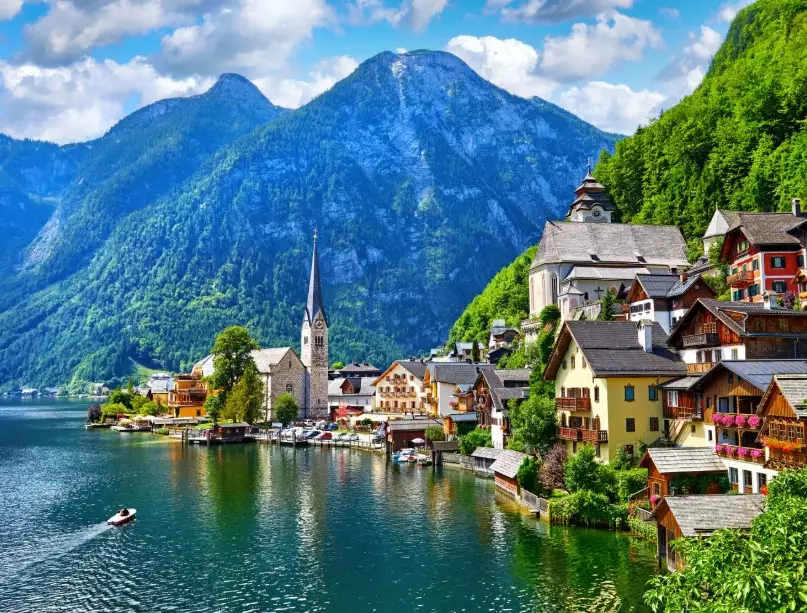

Comments
Leave a Comment