Your Road Trip Blueprint
- Why a 1 Month USA Road Trip is the Ultimate Adventure
- Pre-Trip Planning: Essentials You Can't Ignore
- Week-by-Week Itinerary: Coast to Coast
- Must-See Attractions Along the Way
- Where to Eat: Iconic American Food Stops
- Accommodation Guide: From Motels to Luxury Hotels
- Budget Tips for a Month-Long Road Trip
- Common Pitfalls and How to Avoid Them
- Frequently Asked Questions (FAQ)
I’ve driven across the USA three times, and let me tell you, a month is the sweet spot. It’s enough to soak in the diversity without rushing. Most itineraries online just list cities, but they miss the gritty details—like where to park in Chicago or how to avoid the crowds at the Grand Canyon. This guide fixes that. We’ll cover a realistic route from New York to San Francisco, with stops that balance iconic spots and hidden gems.
Why a 1 Month USA Road Trip is the Ultimate Adventure
Think of it as a sampler platter of America. In 30 days, you can hit the East Coast hustle, Midwest charm, Southwest deserts, and West Coast vibes. I once tried to do it in two weeks—big mistake. You end up driving 8 hours a day and seeing nothing but highways. A month lets you breathe. You can spend two days in a national park, detour for a local festival, or just chill in a small town diner. The pace feels human, not like a marathon.
Newcomers often overplan. They cram too many destinations, forgetting that driving across time zones eats up energy. Trust me, less is more. Focus on a coherent route rather than zigzagging.
Pre-Trip Planning: Essentials You Can't Ignore
Before you hit the road, sort these out. They’re boring but critical.
Vehicle and Insurance
Rent a car with unlimited mileage—companies like Enterprise or Hertz offer this. For a month, expect to pay $1,500 to $2,500 depending on season. Get full insurance; I learned the hard way when a rock cracked my windshield in Utah. Check the spare tire and basic tools. Don’t rely on GPS alone; carry paper maps for remote areas like parts of Route 66.
Budget and Documents
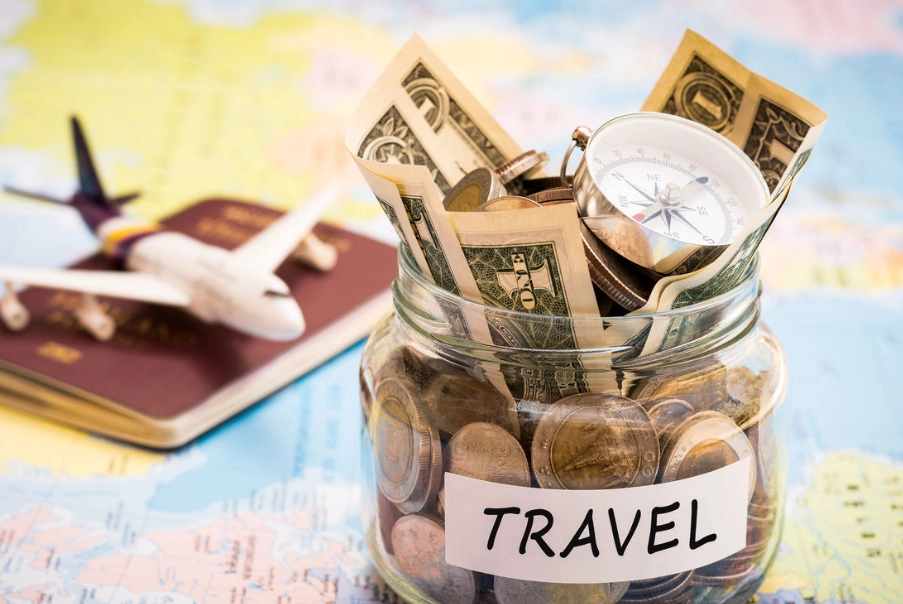
Budget around $3,000 to $5,000 per person for a month, including gas, food, and lodging. Gas prices vary; use apps like GasBuddy. Have your driver’s license and an IDP if you’re international. Book some accommodations in advance, especially in popular spots like Yellowstone. But leave flexibility—sometimes you’ll want to stay longer in a place you love.
Week-by-Week Itinerary: Coast to Coast
Here’s a day-by-day breakdown. It’s aggressive but doable. Adjust based on your interests.
| Week | Route Segment | Key Stops | Driving Hours |
|---|---|---|---|
| Week 1 | New York to Chicago | NYC, Philadelphia, Pittsburgh, Chicago | ~20 hours |
| Week 2 | Chicago to Denver | St. Louis, Kansas City, Omaha, Denver | ~18 hours |
| Week 3 | Denver to Las Vegas | Rocky Mountains, Moab, Grand Canyon, Vegas | ~22 hours |
| Week 4 | Las Vegas to San Francisco | Death Valley, Yosemite, Napa Valley, SF | ~15 hours |
Week 1 starts in New York. Spend two days there—see Times Square, but skip the Empire State Building line; go to Top of the Rock instead. Drive to Philadelphia (2 hours), grab a cheesesteak at Pat’s King of Steaks (1237 E Passyunk Ave, open 24/7, about $10). Then to Pittsburgh for a night. Chicago deserves three days. Visit the Art Institute, but book tickets online to avoid queues. Parking downtown costs $40 a day; use spot apps like ParkWhiz.
Week 2 is about the heartland. St. Louis has the Gateway Arch—ride to the top, tickets $15. In Kansas City, try BBQ at Joe’s Kansas City Bar-B-Que (3002 W 47th Ave, open 11 AM-9 PM, ribs around $20). Denver is a base for Rocky Mountain National Park. Entry is $35 per vehicle; arrive early to beat crowds.
Week 3 is scenic. From Denver, drive to Moab for Arches National Park. It’s $30 per vehicle, open 24/7. Camp if you can; hotels fill fast. Then to the Grand Canyon South Rim. Parking is tricky; use the shuttle system. Las Vegas is a break—stay on the Strip, but eat off-strip to save money.
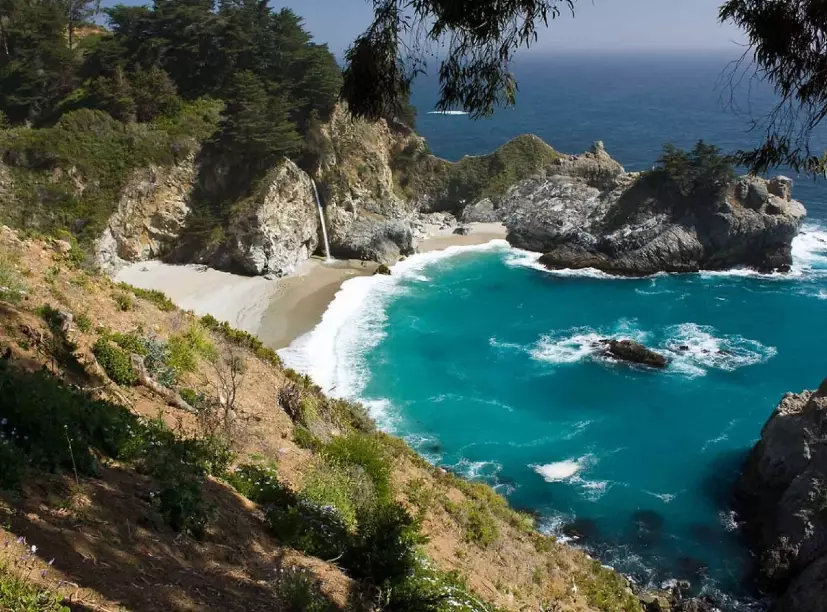
Week 4 finishes strong. Death Valley is hot; visit at sunrise. Yosemite requires reservations in summer; book via Recreation.gov. End in San Francisco with a drive over the Golden Gate Bridge.
Must-See Attractions Along the Way
Beyond the big cities, these spots make the trip.
- Yellowstone National Park: Between Weeks 2 and 3, detour north from Denver. Entrance $35, open year-round. See Old Faithful, but also the Lamar Valley for wildlife. Stay in West Yellowstone; hotels from $150/night.
- Route 66 in Arizona: A nostalgic stretch from Seligman to Kingman. Stop at the Hackberry General Store for photos. Free to explore.
- Nashville, Tennessee: If you have time, add it in Week 1. The Grand Ole Opry shows start at $50; book ahead.
I’d skip Mount Rushmore—it’s out of the way and smaller than you’d think. Instead, spend extra time in the Rockies.
Where to Eat: Iconic American Food Stops
Food is half the journey. Here are must-tries with specifics.
New York: Katz’s Delicatessen (205 E Houston St, open 8 AM-10:45 PM). Pastrami sandwich $25. Cash preferred.
Chicago: Lou Malnati’s Pizzeria (multiple locations, deep-dish pizza from $20). Order online to avoid wait.
Texas (detour in Week 2): Franklin Barbecue in Austin (900 E 11th St, open 11 AM-3 PM). Brisket $30/lb. Arrive by 8 AM to queue.
San Francisco: Tartine Bakery (600 Guerrero St, open 8 AM-7 PM). Morning bun $5. Get there early; it sells out.
Don’t just eat at chains. Local diners often have better pie and stories.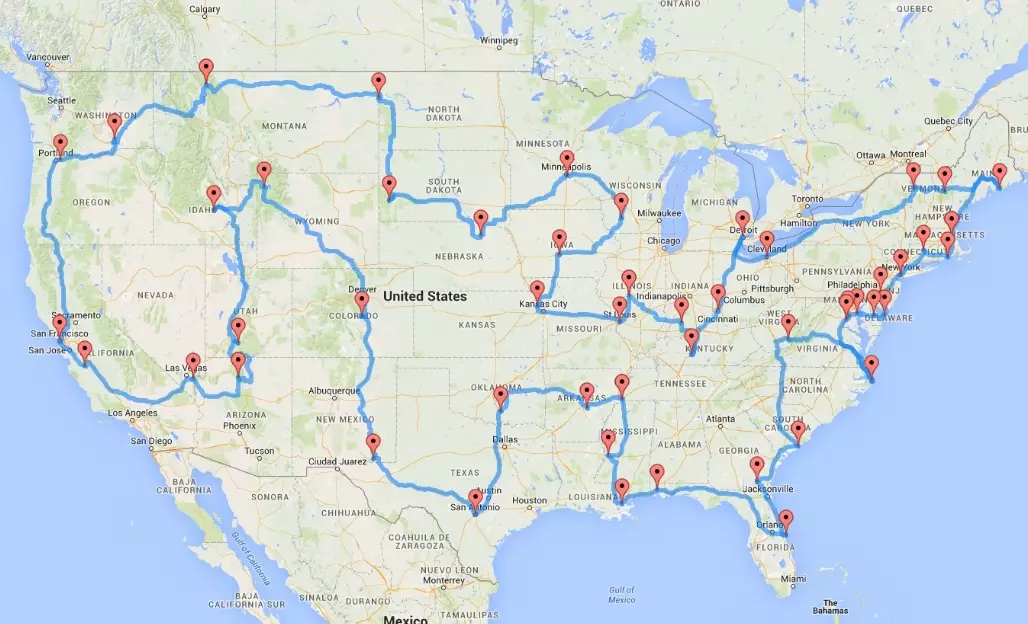
Accommodation Guide: From Motels to Luxury Hotels
Mix it up to balance cost and comfort.
- Budget: Motel 6 or Super 8—nationwide, around $70/night. Clean but basic. In cities, hostels like HI Chicago cost $40/dorm.
- Mid-range: Holiday Inn Express or Best Western. $120-$200/night. Reliable with breakfast. Book via their apps for discounts.
- Splurge: The Venetian in Las Vegas (3355 Las Vegas Blvd, suites from $250). Worth it for a night. In San Francisco, Fairmont San Francisco (950 Mason St, from $300) has history.
Camping saves money. National parks have sites for $20-$30/night; reserve on Recreation.gov. I once camped in Yellowstone and woke up to bison—unforgettable.
Budget Tips for a Month-Long Road Trip
You can do this without breaking the bank.
Gas is the big expense. Drive a fuel-efficient car; hybrids cut costs by 30%. Use credit cards with gas rewards. Eat one meal a day from grocery stores—Walmart or Trader Joe’s. Lodging: split between camping, motels, and occasional Airbnb. I saved $500 by staying with friends in Denver.
Attractions: many national parks have annual passes for $80, covering all parks. Buy online. City passes like Go City can bundle attractions.
Avoid toll roads where possible; they add up. Use Waze to find alternatives.
Common Pitfalls and How to Avoid Them
Mistakes I’ve seen—and made.
Overdriving: Don’t plan more than 6 hours of driving a day. Fatigue causes accidents. Break it up with short stops.
Ignoring Time Zones: Crossing zones messes with schedules. Factor in the loss or gain of hours.
Weather Blindness: Check forecasts. Southwest summers hit 110°F; carry extra water. Mountain passes close in winter.
Parking Tickets: Cities like New York and San Francisco have strict rules. Read signs carefully. Use parking garages if unsure.
One subtle error: relying solely on online reviews for restaurants. Sometimes, the hole-in-the-wall with no website has the best food. Ask locals.


Comments
Leave a Comment