Your Week at a Glance
Let's cut to the chase. The USA is massive, and with just one week, you can't see it all. But that's okay. I've spent over a decade traveling across the country, and I've learned that a focused itinerary beats a frantic dash every time. This guide gives you three solid one-week USA itineraries, each packed with specifics so you can stop dreaming and start booking.
Most people make the mistake of trying to cover too much ground. You'll end up exhausted, stuck in traffic, and missing the real highlights. Instead, pick one region and dive deep. Below, I've outlined options for city lovers, nature enthusiasts, and history buffs, complete with where to stay, how to get around, and even some hidden gems most tourists overlook.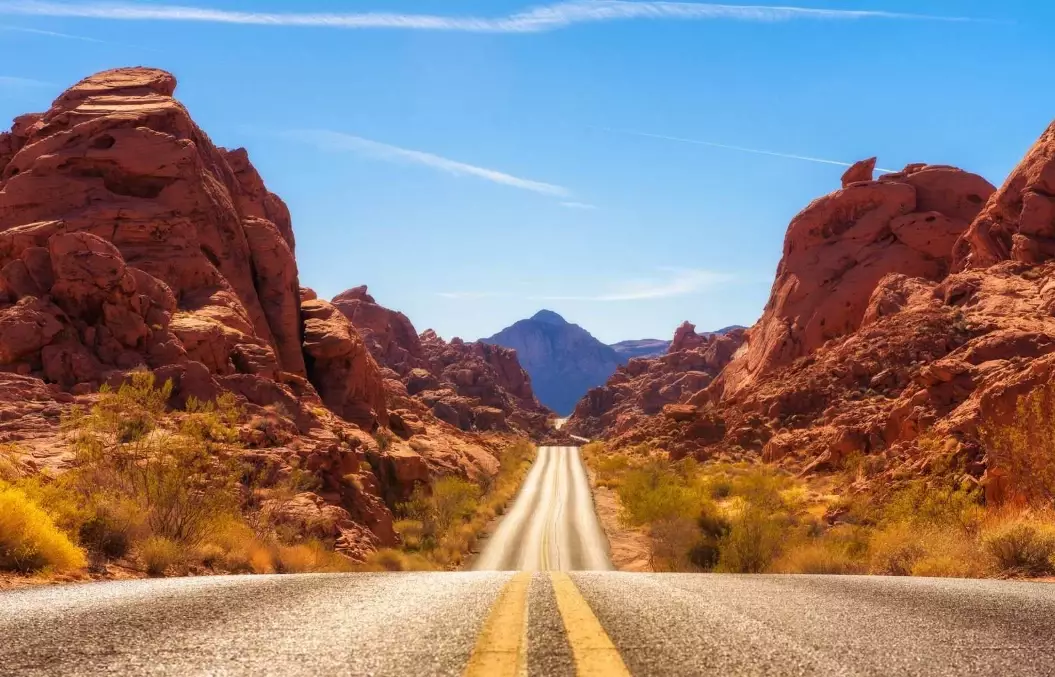
Introduction: Making the Most of Your Week
A week in the USA is about quality, not quantity. Focus on one or two key destinations to avoid burnout. I remember my first cross-country road trip—I planned five cities in seven days. Big mistake. By day three, I was so tired I slept through a sunrise at the Grand Canyon. Learn from my error: pick a theme and stick to it.
Your budget and travel style matter too. For example, national parks are cheaper but require more driving, while cities offer convenience at a higher cost. Below, I break down three itineraries that cater to different interests. Each includes a day-by-day plan, but feel free to tweak it. That's the beauty of travel—making it your own.
Option 1: The Classic West Coast Loop
This route covers Los Angeles and San Francisco, perfect for first-timers who want urban energy, iconic landmarks, and coastal drives. It's a classic for a reason, but I'll add some twists to avoid the tourist traps.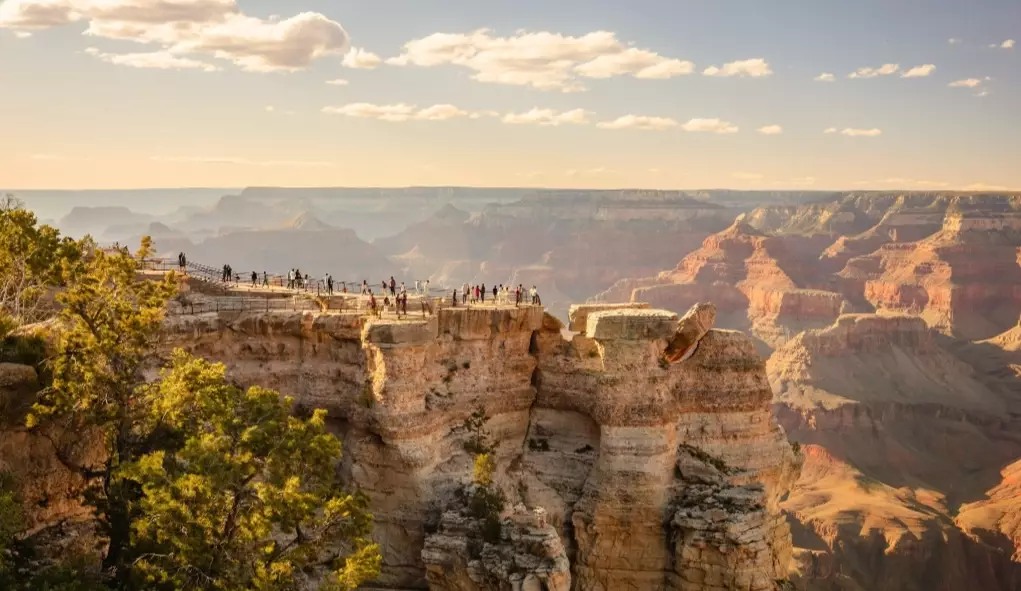
Day 1-3: Los Angeles Highlights
Start in LA. Forget trying to see everything. Focus on neighborhoods. Hollywood is overrated unless you're into crowded sidewalks. Instead, spend a day in Santa Monica. The pier is free to walk, and the beach is public. Address: 200 Santa Monica Pier, Santa Monica, CA 90401. It's open 24/7, but rides operate from 11 AM to 9 PM. Parking costs around $15, so consider taking the Metro Expo Line—it drops you right there.
Day two, head to Griffith Observatory. Address: 2800 E Observatory Rd, Los Angeles, CA 90027. It's open Tuesday to Sunday, 12 PM to 10 PM, but closed Mondays. Admission is free, but planetarium shows cost $10. The view of the Hollywood Sign is better here than up close. Trust me, I hiked to the sign once—it's just a bunch of letters on a hill.
For food, skip the fancy spots on Rodeo Drive. Try Grand Central Market downtown. It's chaotic but real. Address: 317 S Broadway, Los Angeles, CA 90013. Open daily 8 AM to 10 PM. Get the tacos at Tacos Tumbras a Tomas—under $10 and delicious.
Day 4-5: San Francisco Exploration
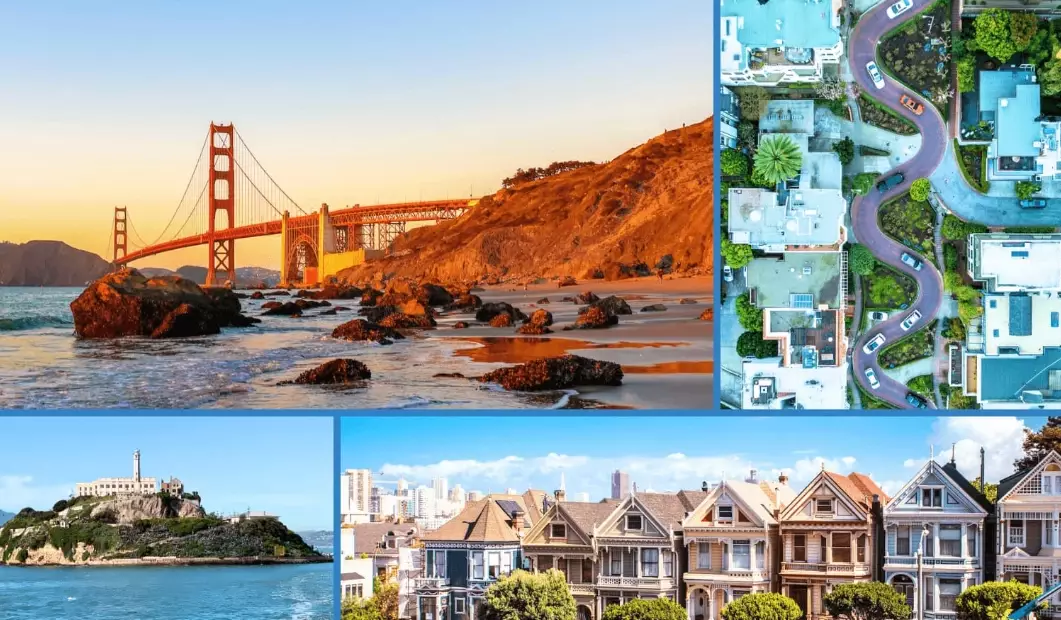
Fly from LA to SF (about 1.5 hours, $100-$200 one-way) or drive the Pacific Coast Highway if you have extra time—it's stunning but adds a day. In SF, the Golden Gate Bridge is a must, but don't just snap a photo. Rent a bike from Blazing Saddles (multiple locations, around $40/day) and cycle across. The wind can be brutal, so wear layers. I learned that the hard way.
Alcatraz Island needs advance booking. Tickets sell out weeks ahead. Book through the official Alcatraz Cruises website. It's about $45 per adult, includes ferry and audio tour. Address: Pier 33, San Francisco, CA 94133. Tours run daily, but check times—they vary by season.
Stay in Union Square for convenience. Hotels like The Marker San Francisco start at $250/night. For something cheaper, try the Green Tortoise Hostel near North Beach—around $50/night for a dorm.
Where to Stay & Eat
In LA, I prefer staying in West Hollywood. The Chamberlain Hotel offers mid-range prices ($200/night) and easy access to Sunset Strip. In SF, avoid Fisherman's Wharf—it's touristy and expensive. Instead, North Beach has character. Eat at Tony's Pizza Napoletana. Address: 1570 Stockton St, San Francisco, CA 94133. Expect to wait, but the margherita pizza is worth it.
Transportation tip: Renting a car in LA is almost necessary, but in SF, use public transit or ride-shares. Parking in SF costs a fortune—up to $50/day in some garages.
Option 2: The National Park Adventure
If you love nature, this one's for you. Yellowstone and Grand Canyon in a week is ambitious but doable with flights. Many guides suggest driving the whole way, but that eats up time. Fly into Salt Lake City, rent a car, and loop through.
Day 1-3: Yellowstone National Park
From Salt Lake, drive to West Yellowstone (about 5 hours). Stay in the town of West Yellowstone for easy park access. Hotels like the Yellowstone Park Hotel start at $150/night. Book months ahead—summer fills fast.
Yellowstone entrance fee: $35 per vehicle, valid for 7 days. Open 24/7 year-round, but some roads close in winter. Must-sees: Old Faithful erupts every 90 minutes—check the National Park Service app for times. Grand Prismatic Spring is better viewed from the Fairy Falls trailhead to avoid crowds. I made the mistake of going midday once; the boardwalk was packed.
Spend two full days here. Day one, focus on the geyser basins. Day two, see the Grand Canyon of the Yellowstone and Lamar Valley for wildlife. Bring bear spray—it's not just for show. I've seen grizzlies from a safe distance, and it's thrilling but requires caution.
Day 4-5: Grand Canyon National Park
Fly from Salt Lake to Las Vegas (1-hour flight, $100-$150), then drive to the Grand Canyon South Rim (4.5 hours). Yes, it's a lot of moving, but it beats a 10-hour drive. Alternatively, skip Vegas and fly to Flagstaff, but connections are trickier.
Grand Canyon entrance: $35 per vehicle. South Rim is open 24/7. Stay in Tusayan, just outside the park. Hotels like the Grand Hotel at the Grand Canyon start at $200/night. For a unique experience, camp at Mather Campground—$18/night, but reservations are competitive.
Don't just peer over the edge. Hike the South Kaibab Trail to Ooh Aah Point—it's steep but short, about 1.8 miles round trip. Start early to avoid heat. I once hiked at noon in July; never again. The heat is no joke.
Logistics & Accommodations
Rent an SUV for comfort, especially if visiting in spring or fall when weather changes. Budget around $500 for the week for car rental and gas. Flights between parks cost $200-$300 if booked early.
Food in parks is limited and pricey. Pack snacks and water. In West Yellowstone, eat at the Buffalo Bar for decent burgers. At the Grand Canyon, the Arizona Room has good steaks but expect a wait.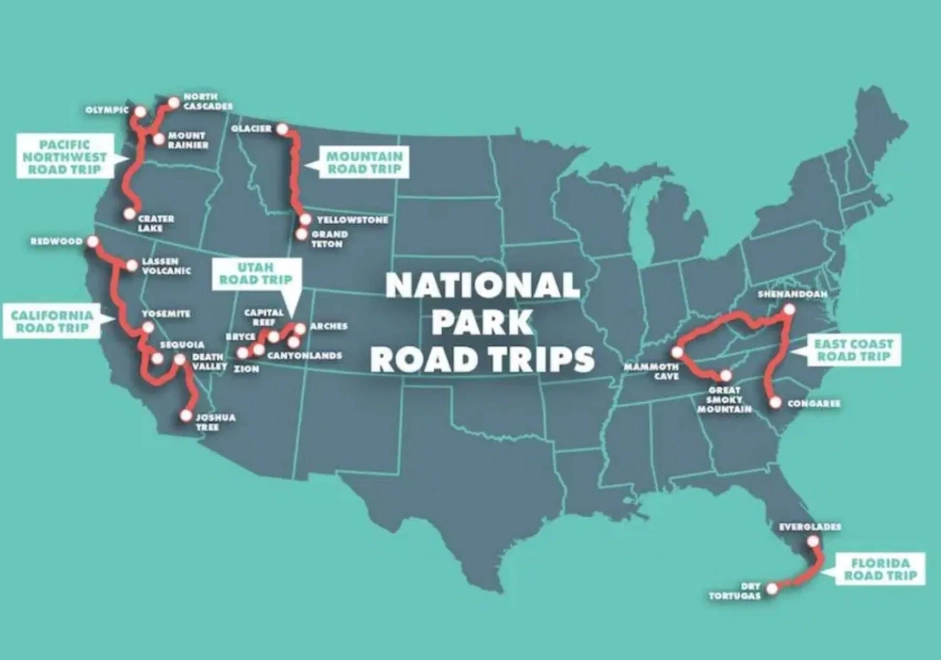
Option 3: The East Coast Cultural Dive
This itinerary hits New York City and Washington D.C., ideal for history, museums, and urban exploration. It's fast-paced but manageable with trains.
Day 1-3: New York City
Fly into JFK or LaGuardia. Stay in Midtown for convenience, but prices are high. I like the Pod Times Square—compact rooms but clean, from $150/night. For a local vibe, try Brooklyn neighborhoods like Williamsburg, but factor in subway time.
Must-dos: The Statue of Liberty requires ferry tickets. Book through Statue City Cruises—$24 for pedestal access. Address: Battery Park, NYC. Open daily 9 AM to 5 PM. Skip the crown unless you book months ahead; it's cramped anyway.
Central Park is free and huge. Rent a bike from Central Park Bike Rentals ($20/hour) to cover more ground. The Metropolitan Museum of Art costs $30 for adults, but pay-what-you-wish for New York residents—just say you're local if you're staying awhile.
Day 4-5: Washington D.C.
Take the Amtrak Acela from NYC to D.C. (about 3 hours, $100-$200). It's smoother than flying and drops you at Union Station, centrally located. Book tickets early for discounts.
In D.C., almost all museums are free. The Smithsonian museums open at 10 AM daily. Don't try to see them all. Pick two: the National Air and Space Museum is iconic, but the National Museum of African American History and Culture requires timed passes—reserve online weeks in advance.
The National Mall is walkable, but wear comfy shoes. I once did 20,000 steps in a day and regretted my fashion choices. Stay near Dupont Circle. Hotels like The Embassy Row Hotel start at $250/night. For budget options, consider Airbnb in Capitol Hill.
Travel Between Cities
The train is your best bet. It's reliable, and you see the countryside. If on a tight budget, buses like Megabus offer fares as low as $20, but they take longer (4-5 hours).
Food tips: In NYC, skip Times Square restaurants. Go to Chelsea Market for variety. In D.C., eat at Ben's Chili Bowl—a local institution. Address: 1213 U St NW, Washington, DC 20009. Open daily 6 AM to 2 AM. The chili half-smoke is under $10.
How to Plan Your Perfect Week
Planning a one-week USA trip isn't just about picking places. It's about logistics. Here's a quick comparison to help you decide.
| Itinerary | Best For | Estimated Cost (per person) | Travel Time Between Stops | Key Challenge |
|---|---|---|---|---|
| West Coast Loop | First-timers, city lovers | $1,500 - $2,000 | 1.5-hour flight or 6-hour drive | Traffic in LA, parking costs |
| National Park Adventure | Nature enthusiasts, photographers | $1,200 - $1,800 | 4-5 hour drives or short flights | Weather dependence, advance bookings |
| East Coast Cultural Dive | History buffs, museum-goers | $1,800 - $2,500 | 3-hour train ride | Crowds in peak seasons |
Budget breakdown includes mid-range accommodations, meals, local transport, and attraction fees, but excludes international flights. Always check for discounts—students, seniors, and military often get reduced rates.
Best time to go: Spring (April-May) or fall (September-October) for mild weather. Summer is crowded and hot, especially in parks and cities. Winter can be great for skiing but limits some activities.
Booking advice: For national parks, use Recreation.gov for campsites and tours. For cities, book hotels at least a month out. I learned this the hard way when I showed up in San Francisco without a reservation and ended up paying $400 for a last-minute room.
Pro tip from a decade of travel: Don't over-schedule. Leave buffer time for delays or spontaneous discoveries. I once stumbled upon a street festival in New Orleans because I had a free afternoon—it became the highlight of my trip.
Frequently Asked Questions
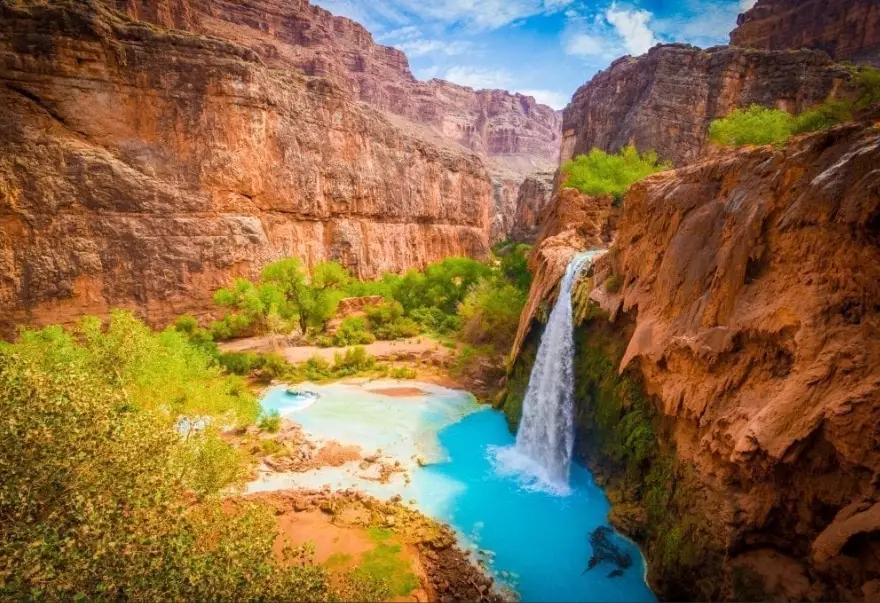 Ultimately, where you go for a week in the USA comes down to your interests. Whether it's the buzz of cities, the serenity of parks, or the depth of history, pick what excites you and plan with these tips in mind. Happy travels!



Comments
Leave a Comment