Let's cut to the chase. If you're looking at your calendar and wondering when a trip to New York will drain your wallet the fastest, you're probably picturing snow and Christmas lights. You're not wrong, but it's a bit more nuanced than that. Having planned trips here for over a decade, I've seen budgets evaporate not just in December, but in sneaky pockets of spring too. The "most expensive" time isn't just about one month; it's a combination of demand, events, and weather that creates a perfect storm for high prices.
The absolute peak, the king of all expensive periods, is the stretch from late November through the first week of January. We're talking about Thanksgiving weekend straight through to New Year's Day. This is when hotel rates look like phone numbers from a different era, and Broadway tickets require a second mortgage. But right behind it, often surprising first-timers, is the late spring to early summer period—May and June—when convention season, good weather, and graduation trips converge.
Your Quick Guide to NYC's Pricey Peaks
What Exactly Makes a Time "Most Expensive"?
It's not just one thing. It's a domino effect. First, demand for flights and hotels skyrockets. Families have time off, people want to see the famous holiday displays, and the weather in spring is ideal. Hotels and airlines use dynamic pricing, meaning they charge what the market will bear. When everyone wants to come, prices go up. Simple.
Second, special events create fixed, high-cost anchors. The Macy's Thanksgiving Day Parade, the Rockefeller Center Christmas Tree Lighting, New Year's Eve in Times Square—these are once-a-year draws that have no price flexibility. Want a hotel room with a view of the ball drop? You're competing in an insane auction.
Finally, there's the "experience markup." Broadway shows add premium pricing. Restaurants in trendy areas like West Village or near Bryant Park introduce pricier holiday menus. Even taxi and rideshare fares can surge more frequently. The city itself doesn't get more expensive; the cost of accessing its most desirable experiences at the most desirable times does.
The Holiday Crush: Late November to Early January
This is the main event. The pinnacle of expense. Let's break down why it's so intense.
Thanksgiving Week (The Starting Gun)
The Wednesday before and the Sunday after Thanksgiving are among the busiest travel days of the year nationally. Flights into NYC are packed and pricey. Hotels fill up with families and early holiday shoppers. The parade itself draws massive crowds, blocking off huge sections of the city. If you're not there for the parade specifically, it's actually a chaotic time to visit.
December 1st - December 23rd (The Sustained Peak)
This is the core holiday season. The tree is up at Rockefeller Center (lighting is usually around Dec 1st). The store windows on Fifth Avenue are unveiled. The holiday markets at Bryant Park and Union Square are in full swing. Demand is consistently high. You'll find:
- Hotel Rates: Easily 200-300% above the annual average. A decent Midtown hotel routinely hits $600-$800/night. Luxury properties like The Plaza or The Langham can exceed $1,500.
- Broadway: Premium pricing is in full effect. Popular musicals have their top tickets pushed well over $300. The Radio City Christmas Spectacular is a major draw with its own premium cost.
- Dining: Many restaurants require prix-fixe holiday menus that are significantly more expensive than their regular à la carte options.
Christmas Day to New Year's Day (The Final Frenzy)
This week is for the dedicated—or the unaware. Many locals leave town, but tourists flood in. It's a strange, bustling, and incredibly expensive week. New Year's Eve packages are their own beast, often requiring multi-night stays and costing thousands. The city has a magical, buzzing energy, but you pay a steep entry fee for it.
The Spring & Summer Surge (May-June)
This is the stealth expensive season. The weather is beautiful. Schools are getting out. And this is prime time for:
- Corporate Conventions & Events: Javits Center is packed. This books thousands of hotel rooms in Midtown and Hudson Yards, driving up prices and limiting availability for leisure travelers.
- Graduation Trips: Families descend to celebrate college graduations from the many NYC-area universities.
- Tourist Season Kick-off: European and domestic tourists start their summer travels.
You won't see the same extreme peaks as December, but you'll consistently face prices 50-100% higher than in, say, February or late August. A hotel room that goes for $250 in March might be $450 in May. Flights are also noticeably more expensive.
A Real Cost Breakdown: Peak vs. Shoulder Season
Let's put real numbers to it. This is based on observed averages for a 3-night trip for two, staying in a 4-star hotel in a central location like Midtown or near Bryant Park.
| Expense Category | Peak Season (Mid-Dec) | Shoulder Season (Late Jan) | Notes & Tips |
|---|---|---|---|
| Hotel (3 nights) | $1,800 - $2,400 | $600 - $900 | The single biggest differentiator. January offers incredible value. |
| Round-Trip Flights (per person) | $450 - $700 | $250 - $400 | Book at least 3 months out for peak, 6 weeks for shoulder. |
| Broadway Show (2 premium tickets) | $400 - $700+ | $200 - $400 | Check for weekday performances and lottery/rush tickets. |
| Daily Food & Drink Budget (for two) | $200 - $300 | $150 - $220 | Holiday prix-fixe menus inflate costs. Lunch is cheaper than dinner. |
| Top Attraction (e.g., Top of the Rock) | $80 - $100 | $80 - $100 | Attraction prices are fairly stable, but TIMED tickets sell out fast in peak season. |
| Estimated Total for Two | $3,500 - $5,000+ | $1,800 - $2,600 | The savings in shoulder season are profound, often funding another trip. |
See the difference? The shoulder season (like late January, early February, or late August) can literally save you enough for a second vacation. The trade-off is weather and missing specific holiday events.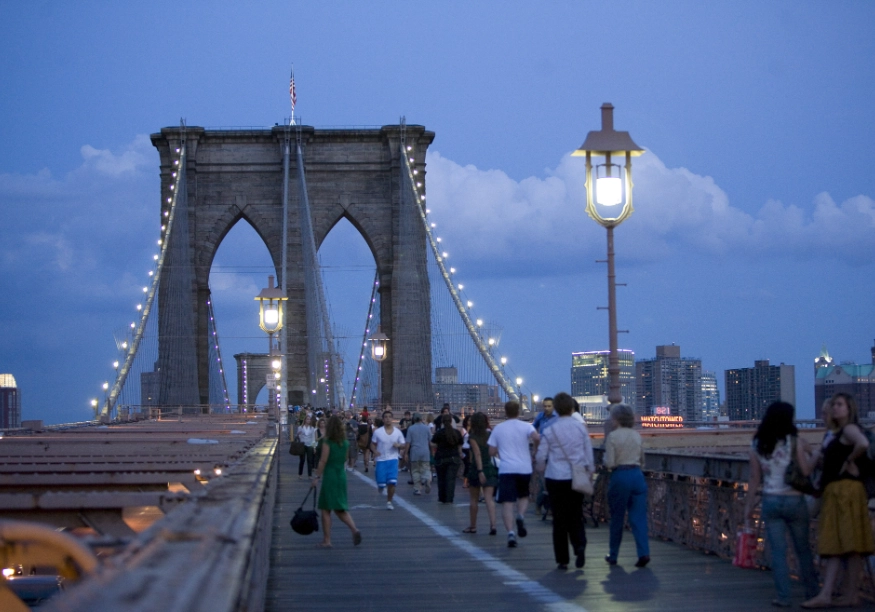
How to Save Money Even During Peak Season
Maybe you're set on seeing the holidays. You can still be smart about it.
1. Redefine "Good" Location. Staying in Manhattan is non-negotiable for many, but look at neighborhoods like the Upper West Side, Murray Hill, or even Long Island City in Queens (one subway stop from Manhattan). The savings can be 30-40% compared to Times Square or Rockefeller Center areas.
2. Book Like a Pro (The When Matters). For December travel, you need to book your hotel in July or August. Seriously. Flights? Set alerts and book as soon as schedules are released, about 11 months out. Last-minute deals do not exist for NYC peak season.
3. Embrace Off-Peak Times... Within the Peak. The city is slightly less insane on weekdays. Consider traveling Monday to Thursday instead of over a weekend. You'll find better flight prices and marginally more availability.
4. Target the Shoulder Weeks. My top insider recommendation: aim for the week after New Year's (Jan 2-7-ish). The holiday decorations are almost all still up (the tree stays until mid-January), but the crowds and prices have already started their nosedive. It's the best-kept secret for holiday ambiance without holiday prices.
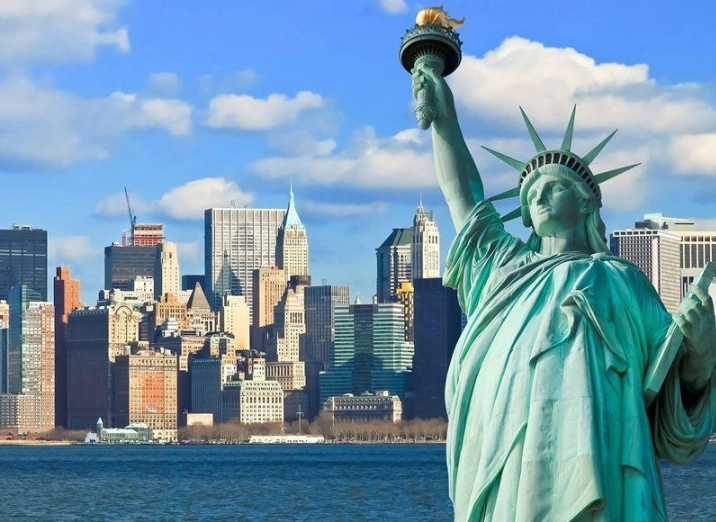
5. Prioritize Free & Cheap Experiences. The best of New York is often free. Walking across the Brooklyn Bridge, exploring the holiday windows (free), visiting the NYC Public Library (free), walking the High Line (free), or taking the Staten Island Ferry for a free view of the Statue of Liberty. Balance one expensive activity (a Broadway show) with several free ones.
Your Burning Questions Answered
Is visiting New York during Christmas worth the high cost?
What's the single biggest expense mistake people make during peak season?
Can I find any good deals in New York during the expensive months?
Is early January still considered an expensive time to visit?
So, there you have it. The most expensive time to visit New York is a clear, demanding beast centered on the winter holidays, with a significant price surge in late spring. You can fight it with extreme planning and a flexible budget, or you can sidestep it entirely by targeting those magical shoulder weeks where you get 80% of the experience for 50% of the cost. The data from NYC & Company, the city's official tourism organization, consistently shows these demand patterns. Your choice depends on what you value most: calendar-specific magic or financial sanity. Knowing the real costs, at least, lets you decide with your eyes wide open.




Comments
Leave a Comment