Asking for the single prettiest place in the United States is like asking a parent to pick a favorite child. It’s impossible, and frankly, a little unfair. The beauty of America lies in its staggering diversity. One person’s perfect sunset over a desert arch is another’s misty morning in a redwood forest. The real question isn’t about finding the one, but discovering which type of beauty calls to you—and then knowing exactly how to experience it without the crowds and common pitfalls.
Your Quick Guide to America's Beauty
How to Define ‘Prettiest’ for Your US Adventure?
Before we dive into locations, let’s talk about you. Are you looking for vast, soul-stirring grandeur or intimate, detailed scenery? Do you want to hike into the heart of it, or admire it from a well-placed overlook? I’ve seen visitors rush to the Grand Canyon South Rim, snap a photo from the crowded rail, and leave underwhelmed. They missed the point. The beauty there isn’t just the view; it’s the play of light and shadow over a billion years of geology over the course of a day.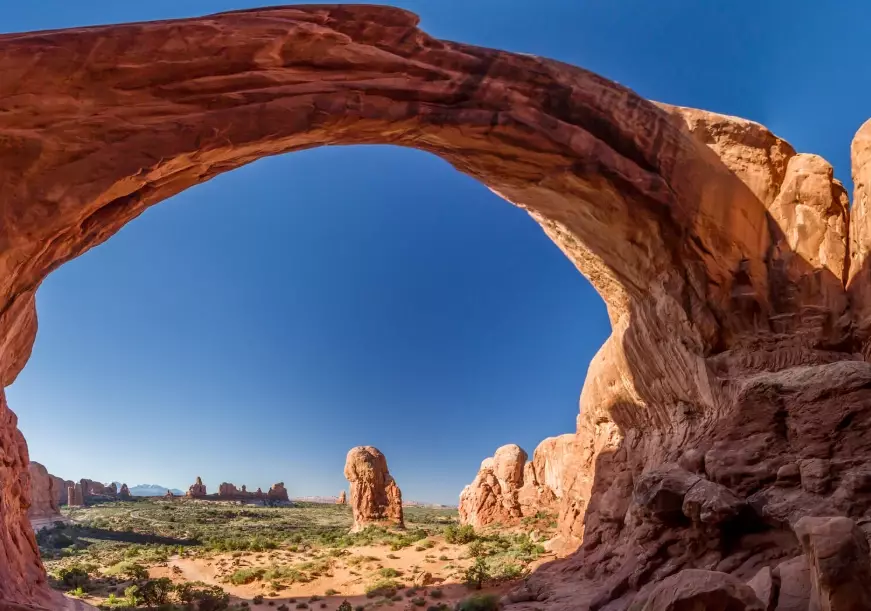
Think about what moves you. Is it mountains, coastlines, forests, or deserts? Your answer will point you to a different corner of the country. This personal filter is the first step in planning a trip that feels uniquely yours, not just a checklist from a generic travel site.
Iconic Natural Wonders You Can’t Miss
These are the heavyweights, the places that define American scenery on a global scale. They’re popular for a reason, but visiting them smartly is the key to unlocking their true magic.
1. Grand Canyon National Park, Arizona
The first view really does steal your breath. It’s not just big; it’s a profound lesson in scale and time. Most people flock to the South Rim, which is open year-round. The North Rim, higher and more forested, is only open from mid-May to mid-October and sees about 10% of the visitors.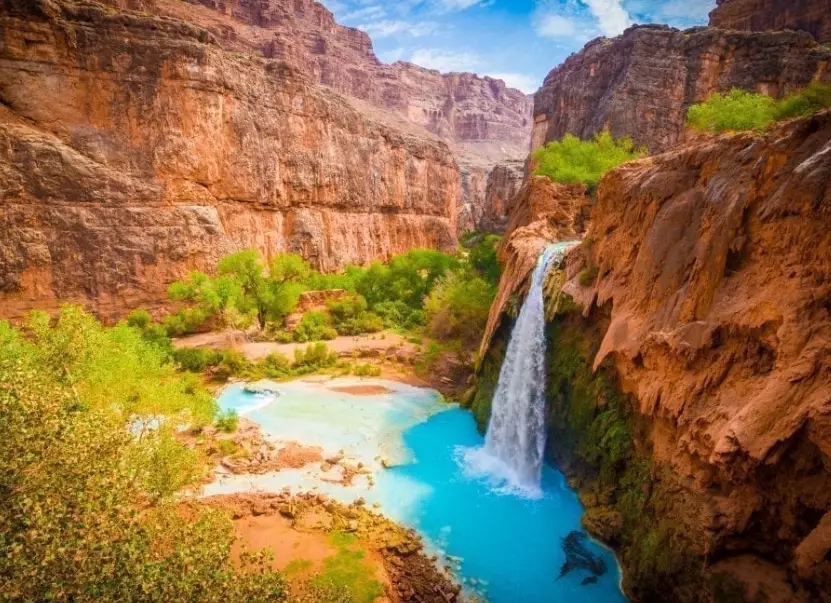
Plan Your Visit: South Rim entrance fee is $35 per vehicle (valid 7 days). The park is open 24/7. The major mistake? Not reserving lodging inside the park (at sites like Bright Angel Lodge or Yavapai Lodge) months in advance. Staying in Tusayan or Williams means long shuttle rides at peak times. My pro tip: Skip the sunrise at Mather Point with the hundreds of others. Instead, catch the first Hermit Road shuttle (red route) at dawn and get off at Hopi Point. You’ll have a more panoramic view with a fraction of the people.
2. Yosemite National Park, California
Yosemite Valley is a cathedral of granite. El Capitan, Half Dome, the waterfalls—it’s almost too much beauty to process. Which is why it gets jammed. From roughly April through October, you need a reservation just to drive into the park during peak hours. Check the National Park Service website for the latest rules.
Everyone goes to Tunnel View and Bridalveil Fall. For a different perspective, drive up to Glacier Point (summer/fall access) for a staggering top-down view of the entire valley. Or, hike the Mist Trail to Vernal Fall. You will get soaked, but standing in the spray with a rainbow at your feet is an experience no photo from the valley floor can match.
3. Yellowstone National Park, Wyoming/Montana/Idaho
Yellowstone is weird, wonderful, and utterly unique. It’s not just about Old Faithful (which, let’s be honest, can feel like watching a natural phenomenon with a stadium crowd). The real beauty is in the kaleidoscopic colors of the Grand Prismatic Spring and the vast, wildlife-dotted expanse of the Lamar Valley.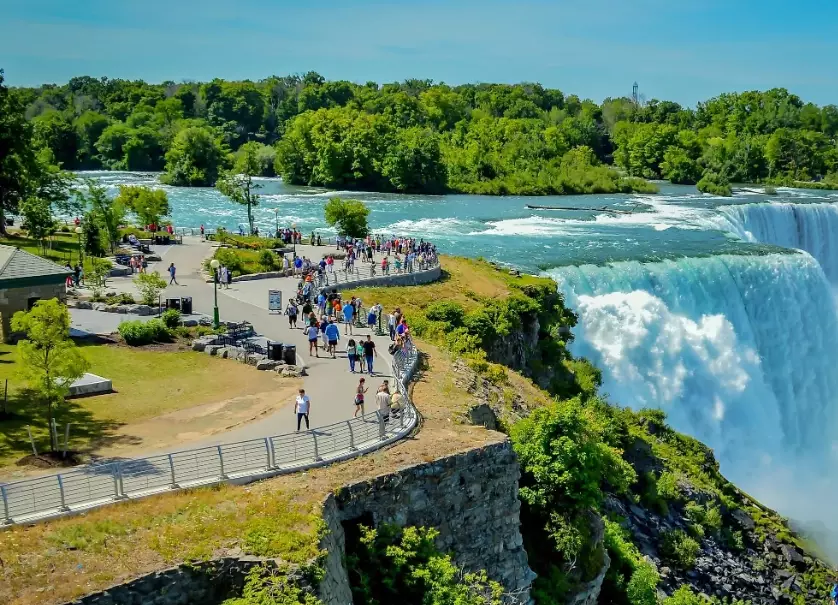
Plan Your Visit: $35 entrance fee per vehicle. The park has multiple entrances open in summer, but the roads close for winter (except the North Entrance). To avoid the worst crowds, enter through the Northeast Entrance via Cooke City. You hit the stunning Lamar Valley first—prime wildlife viewing at dawn—while everyone else is stuck in lines at the West Entrance heading to Old Faithful. Stay in Gardiner, MT, or Cooke City, MT, for easier access and a less commercial feel.
| Iconic Spot | State | Best Time for Scenery | Key Tip to Avoid Crowds |
|---|---|---|---|
| Grand Canyon (South Rim) | Arizona | Spring & Fall (mild temps, clear skies) | Use the free shuttle bus, explore Hermit Road at dawn |
| Yosemite Valley | California | Late Spring (waterfalls peak) & Fall (colors) | Enter the park before 8 AM or after 5 PM, hike uphill |
| Yellowstone’s Geyser Basins | Wyoming | June & September (fewer people, good weather) | Visit major sites like Old Faithful early morning or near dusk |
| Great Smoky Mountains NP | TN/NC | October (fall foliage) & June (rhododendrons) | Explore Cades Cove on a vehicle-free Wednesday |
Beyond the Postcards: Underrated Gems and Regional Beauty
If you want scenery without the circus, these places deliver immense beauty with a side of peace.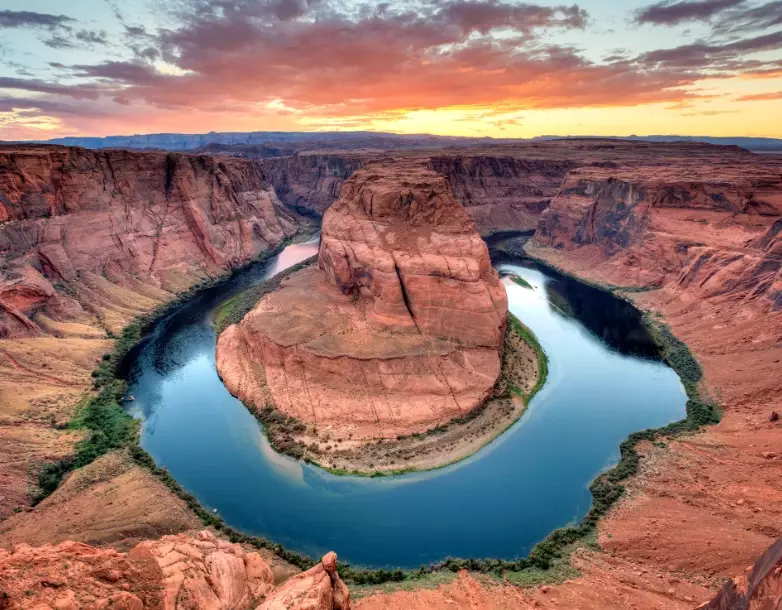
The Oregon Coast, specifically the Samuel H. Boardman Scenic Corridor. Forget California’s crowded Highway 1. Southern Oregon’s coast is all rugged sea stacks, natural arches, and empty, windswept beaches. It’s free, accessible via Highway 101, and you can pull over at countless turnouts. Natural Bridges and Secret Beach are highlights. There’s no entrance fee, no gates, just raw Pacific beauty.
Sedona, Arizona. While the Grand Canyon stuns with depth, Sedona mesmerizes with color. The red rock formations glow fiery orange at sunrise and sunset. It’s a hiking and spiritual mecca. The Red Rock Pass ($5 daily) is required for many trailheads. For a stunning, easy view, drive up to the Airport Mesa vortex. For a more immersive feel, hike the Cathedral Rock trail (moderate difficulty).
Acadia National Park, Maine. This is where the mountains meet the sea. The beauty here is crisp, rocky, and laced with evergreen forests. Drive the Park Loop Road, but the real magic is on the trails. Hike the Ocean Path or challenge yourself with the Precipice Trail (not for those afraid of heights). The town of Bar Harbor is charming but can be busy. Stay in Southwest Harbor for a quieter vibe.
Great Smoky Mountains National Park, Tennessee/North Carolina. It’s the most visited national park, but that’s mostly because it’s huge and free. The beauty is subtle and profound—blue-hazed mountains, ancient forests, and cascading streams. The mistake is staying in Gatlinburg and only driving the main road. Get out on a trail like Alum Cave to Mount LeConte or drive the Roaring Fork Motor Nature Trail to see historic cabins and dense forest.
Practical Tips for Visiting America’s Most Beautiful Places
Scenery is passive; the experience is active. Here’s how to make yours great.
Timing is Everything. Sunrise is not just a time; it’s a strategy. At major parks, the parking lots for popular trails are full by 9 AM. Being on the trail at dawn means soft light, active wildlife, and solitude. The same goes for sunset. The hour after most tourists leave for dinner is golden.
Don’t Overlook the Shoulder Seasons. Yellowstone in May or late September? Fewer RVs, more animals, and a real sense of wilderness. The Smokies in November after the leaf-peepers leave are quiet and mystical. There’s a risk of weather, but the reward is a more authentic connection to the place.
Book Everything Early, Especially Inside Parks. Lodges and campgrounds inside national parks like Yosemite, Yellowstone, and Glacier sell out within minutes of opening reservations, often 6-12 months in advance. If you miss out, look for gateway towns that are 30-45 minutes from an alternate entrance, not the main one.
Embrace the Shuttle. In parks like Zion, Grand Canyon, and Yosemite Valley, the shuttle system isn’t a nuisance—it’s your ticket to stress-free exploration. Park your car for the day and use it. You’ll see more and waste zero time looking for parking.

Comments
Leave a Comment