You've dreamed of the open road, the red rocks, and the vast deserts. A classic USA road trip is more than just a vacation; it's a rite of passage. But planning one that fits into two weeks without feeling like a frantic marathon? That's the real trick. Forget those generic lists. This itinerary is built from years of driving these highways, learning where to stop, what to skip, and how to actually enjoy the drive from Las Vegas to Los Angeles through the heart of the American Southwest.
Your Road Trip Map
The Route: Las Vegas to LA Loop
We're focusing on a loop that starts and ends in major flight hubs for easier logistics. The core is the Southwest's "Golden Circle": Las Vegas, the Grand Canyon, Monument Valley, Moab (for Arches National Park), Bryce Canyon, Zion, and back to the coast. It's roughly 1,500 miles of driving, which sounds like a lot, but spread over 14 days with 2-4 hour stints between major stops, it's completely manageable. You get the neon buzz, the profound silence of the desert, and epic hiking—all in one trip.
Why This Route Works: It balances driving time with exploration time. You're not spending whole days just in the car. Each leg reveals a dramatically different landscape, from the sheer walls of Zion to the Martian landscape of Arches. It's the most scenic bang for your buck.
Your Day-by-Day Adventure Guide
Days 1-2: Las Vegas, Nevada – The Launchpad
Fly into LAS. Use Day 1 to recover, pick up your rental car (book an SUV for comfort, not a compact), and see the Strip at night. The fountains at the Bellagio are free and still impressive.
Day 2 is for exploring beyond the casinos. Drive out to the Hoover Dam (about 45 minutes away). The tour inside the dam is fascinating, but just walking across it is powerful. On your way back, stop at Seven Magic Mountains, a colorful, quirky public art installation in the desert. For dinner, skip the overpriced buffet and head to Lotus of Siam (953 E Sahara Ave) for what many call the best Thai food in the U.S. Reservations are a must.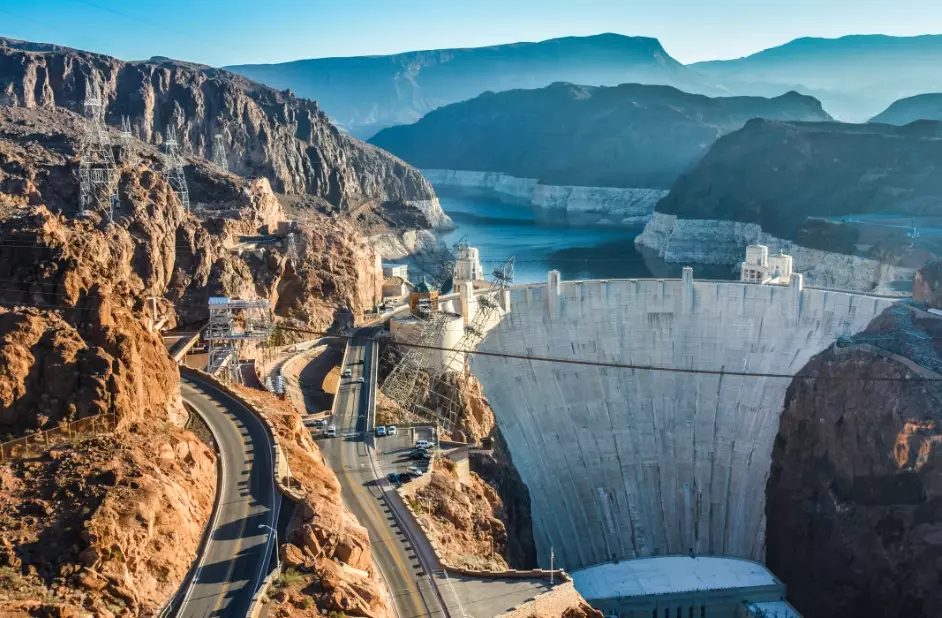
Days 3-4: The Grand Canyon, Arizona – Awe on a Planetary Scale
Drive: Las Vegas to Grand Canyon South Rim (~4.5 hours). I recommend skipping the West Rim/Skywalk—it's expensive, owned by the Hualapai Tribe, and lacks the park service infrastructure.
Enter through the South Entrance. Your $35 vehicle pass (valid 7 days) gets you in. Mather Point is the classic first view. Don't just snap photos and leave. Walk the Rim Trail for a few miles. The crowds thin, and the perspective changes.
Stay in Tusayan, just outside the park gates, for more lodging options. On Day 4, wake up for sunrise at Yaki Point (fewer people than Mather). Then, drive the Desert View Drive eastward to the Watchtower, stopping at each pullout. This is often missed by tour buses and is stunningly quiet.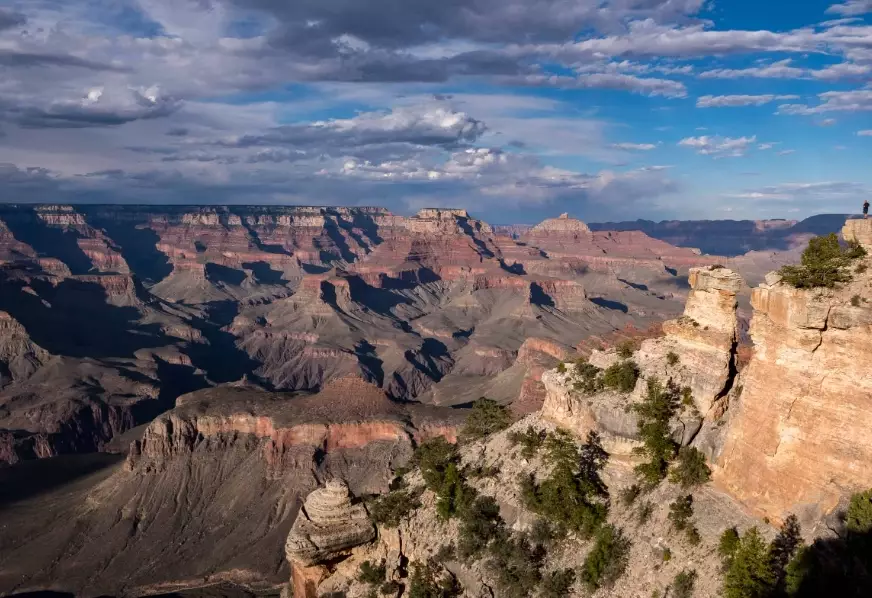
Days 5-6: Monument Valley & Moab, Utah – Desert Icons
Drive: Grand Canyon to Monument Valley (~3 hours). This is the road trip moment you've seen in movies. The Monument Valley Navajo Tribal Park is not a U.S. National Park; it's managed by the Navajo Nation. The $20 per vehicle fee supports the local community. The 17-mile Valley Drive is a rough, dusty, unpaved loop you do in your own car. Go slow. The views of the Mittens and Merrick Butte are unreal. Plan for 2-3 hours here.
Then, continue to Moab, Utah (~2 hours). Moab is your base for Arches. On Day 6, get to Arches National Park before 7 AM. I'm serious. The park often hits capacity by 8 AM, and you'll be turned away. The $30 vehicle pass is separate from your Grand Canyon pass. Hike to Delicate Arch (3 miles roundtrip, moderately strenuous)—it's worth every step. Later, drive the park road to see the Windows Section and Balanced Rock.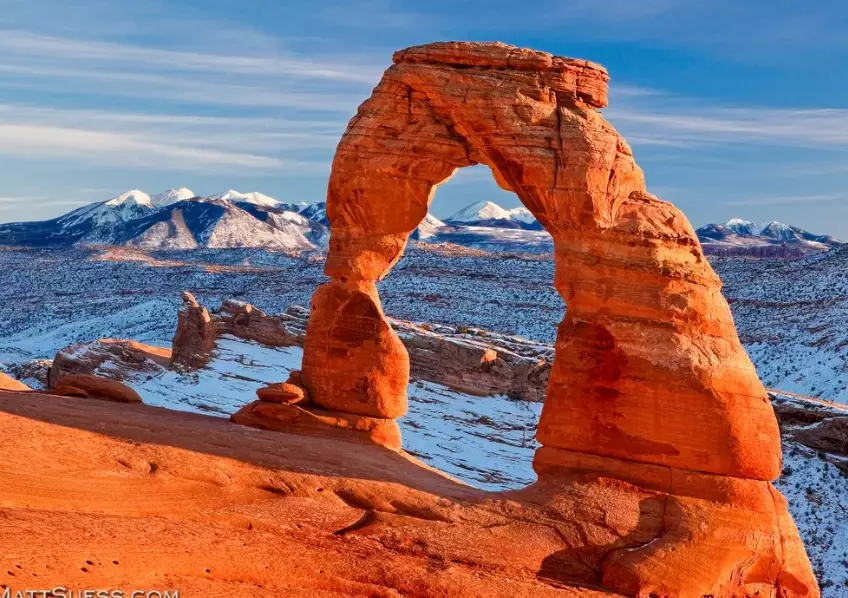
Days 7-8: Bryce Canyon & Zion National Park, Utah – Hoodoos and Narrows
Drive: Moab to Bryce Canyon City (~4 hours). It's a long drive, but the scenery shifts from red rock to high alpine forests.
Day 7 is for Bryce Canyon National Park ($35 vehicle pass). Don't just look from the rim. Hike down the Queen's Garden/Navajo Loop Combination (about 3 miles). Walking among the orange and white hoodoos is a completely different experience. Stay near Bryce.
On Day 8, drive the short hour to Zion National Park ($35 vehicle pass). From March to November, you cannot drive your personal vehicle on the Zion Canyon Scenic Drive. You must take the free, frequent park shuttle from Springdale. It's efficient, actually. Use it to access the trailhead for The Narrows (hiking up the Virgin River). Rent proper canyoneering shoes and a walking stick from an outfitter in Springdale—hiking in sneakers is a great way to slip and have a miserable time.
Days 9-10: Back to Civilization – St. George & Las Vegas Return
Drive from Zion to St. George, Utah (~1 hour). This is a rest day. Relax by the pool, visit the impressive St. George Utah Temple grounds, or take a short hike at Snow Canyon State Park. It's a hidden gem with less than 1/100th of Zion's crowds.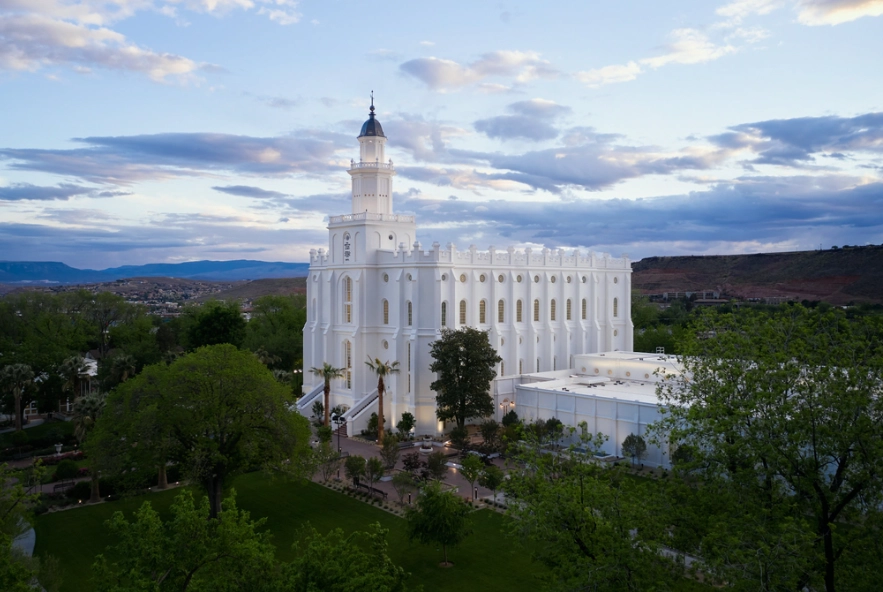
Day 10 is an easy drive back to Las Vegas (~2 hours). Return your rental car, check into a hotel on the Strip (maybe try a different one), and have a final celebratory dinner. You've earned it.
Days 11-14: The Pacific Coast – Los Angeles & Route 1
Fly from Las Vegas to Los Angeles (LAX). It's a cheap, one-hour flight. Renting a new car in LA is smarter than a massive one-way fee from Utah. Spend a day or two in LA hitting your must-sees: Getty Center, Santa Monica Pier, Venice Beach.
Then, for the grand finale, take a 1-2 day drive up the Pacific Coast Highway (California State Route 1). Head north to Malibu, Oxnard, and maybe as far as Santa Barbara. The ocean views are a perfect contrast to the desert you just left. Fly home from LAX.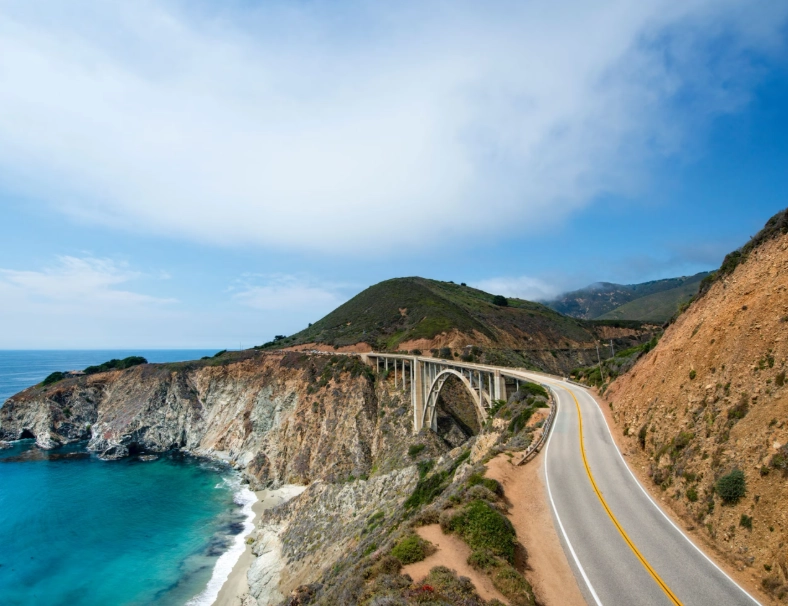
Where to Crash: Hotels & Alternatives
Booking ahead is non-negotiable, especially near national parks. Here’s a mix of reliable chains and unique spots.
| Location | Recommendation | Address/Notes | Avg. Price/Night |
|---|---|---|---|
| Las Vegas | The Venetian Resort | 3355 S Las Vegas Blvd. All-suite rooms, great location. | $180 - $350 |
| Grand Canyon | Holiday Inn Express Grand Canyon | In Tusayan. Reliable, clean, includes breakfast. | $220 - $320 |
| Moab | MainStay Suites | Great for families, has kitchenettes. | $160 - $250 |
| Bryce Canyon | Best Western Plus Ruby's Inn | Right at the park entrance. Historic, full amenities. | $150 - $220 |
| Springdale (Zion) | Cable Mountain Lodge | Walk to park entrance. Stunning views, upscale. | $250 - $400 |
| St. George | Inn on the Cliff | Boutique hotel with incredible views. | $130 - $200 |
Alternative: Look into vacation rentals in towns like Kanab, Utah (a great central hub), or consider camping. You can find official booking info for National Park Service campgrounds on their Recreation.gov website. Book months in advance.
Budget, Driving & Pro Tips You Won't Find Elsewhere
Let's talk numbers and nitty-gritty.
Estimated Budget for Two People:
- Rental Car & Gas: $800 - $1200 (SUV, unlimited miles, gas is cheaper inland than in CA).
- Lodging: $2000 - $3000 (averaging $150-$220/night).
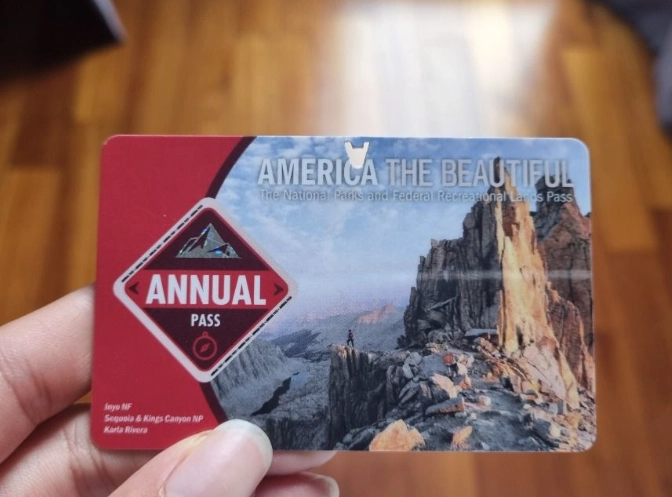
- National Park Passes: $175 total for the vehicle passes listed. Consider the $80 America the Beautiful Annual Pass if you visit more than 3 parks—it pays for itself on this trip.
- Food & Activities: $1200 - $1800. You'll eat a mix of groceries, casual diners, and a few nice meals.
The Pro Tip Everyone Misses: Download Google Maps offline for each state you're driving through. Cell service vanishes for hours in the desert between towns. I once relied on my in-car GPS and it tried to take me down a "shortcut" that was a washed-out dirt road. Offline maps are your lifeline.
Driving: Speed limits are high (75-80 mph on interstates). Obey them, especially in small towns where police are strict. Distances are vast. Always fill your tank when it hits half-full. The next gas station might be 80 miles away and closed.


Comments
Leave a Comment