Your Flavorful Roadmap
- The Top 10 American Foods List
- The All-American Hamburger
- American Barbecue (BBQ)
- Apple Pie
- Macaroni and Cheese
- Fried Chicken
- New England Clam Chowder
- Tex-Mex Tacos (specifically, the Crispy Beef Taco)
- Buffalo Wings
- Reuben Sandwich
- Peanut Butter and Jelly Sandwich (PB&J)
- Common Questions About American Food
So you want to know what real American food is all about? Forget the tired old stereotype that it's just fast food and oversized portions (though, let's be honest, portion size is definitely a thing here). American cuisine is this wild, wonderful, and sometimes weird fusion of immigrant traditions, regional ingredients, and pure comfort. It's food with a story, often tied to a specific place or moment in history.
I remember traveling cross-country a few years back and being stunned by how much the food changed every few hundred miles. The barbecue in Texas had nothing in common with the seafood boils in Louisiana, yet both felt deeply, authentically American. That trip got me thinking—if someone asked me for the definitive list of the top 10 American foods, what would make the cut? It's tougher than it sounds. You have to balance iconic status, cultural impact, and just plain deliciousness.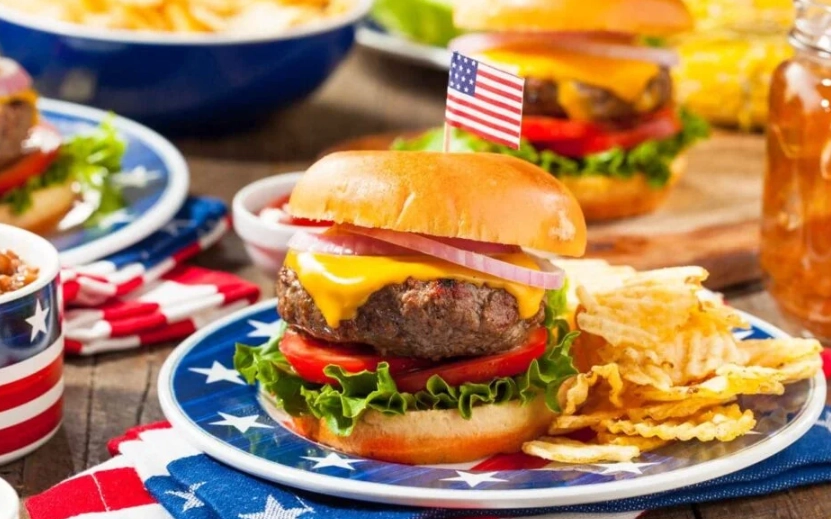
That's what this list is. It's not just a ranking; it's a culinary road trip. We're talking about the dishes that define the American experience, the ones you'll find on diner menus, at family gatherings, and in the hearts of just about everyone who's grown up here. These are the top 10 American foods you need to try to understand the country's palate.
What Makes the Cut? My criteria were simple but strict: The dish had to be widely recognized as American (even if its roots lie elsewhere). It needed to have a significant cultural footprint—more than just a passing trend. And, most importantly, it had to be genuinely, consistently good. No gimmicks.
The Top 10 American Foods List
Let's dive right in. From the sizzle of a grill to the sweetness of a roadside diner dessert, here are the champions.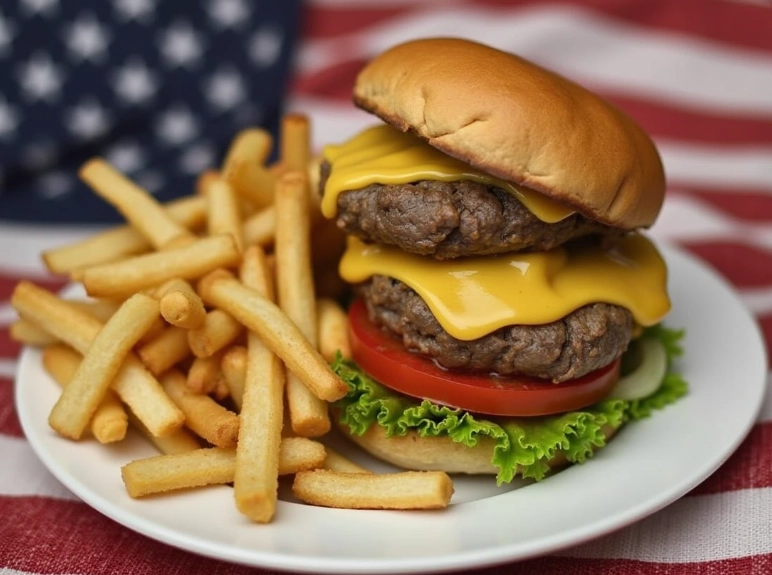
The All-American Hamburger
Could it really be anything else at number one? The hamburger isn't just food; it's an institution. Its story is a classic American tale: German immigrants brought over the "Hamburg steak," and somewhere along the line, someone (multiple someones, actually, with competing claims) had the genius idea to put it between two pieces of bread. The rest is history.
What makes a great burger? That's a debate that can start a friendly argument in any town. For me, it's about balance. A juicy, flavorful patty (80/20 ground chuck is the sweet spot for fat content), a soft but sturdy bun that doesn't fall apart, and just the right amount of toppings. I'm a purist—lettuce, tomato, onion, pickles, maybe some cheese. A fancy brioche bun and aioli are nice, but they can sometimes overshadow the star of the show: the beef.
You can find a burger anywhere, from a fast-food window to a $30 gastropub masterpiece. But the best ones often come from unassuming local joints or your own backyard grill. The USDA even has guidelines on safe cooking temperatures for ground beef, which is worth a quick glance if you're grilling at home. For a deep dive into the history and evolution of the burger, the Smithsonian Magazine has published some fascinating articles on its journey to iconic status.
Pro Tip: Don't press down on your burger patty while it's cooking! All you're doing is squeezing out the precious juices. Let it be.
Why is it the ultimate top American food? It's democratic, customizable, and universally loved. It represents American ingenuity at its tastiest.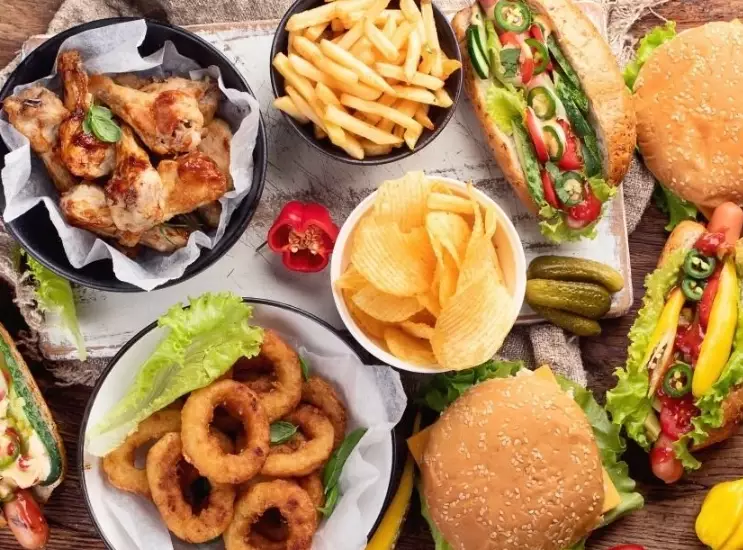
American Barbecue (BBQ)
If the hamburger is America's fast food, barbecue is its slow religion. And I mean that literally—some of the best BBQ is smoked for over 12 hours. This isn't just a cooking method; it's a regional identity. Mention BBQ in the wrong part of the country without specifying the style, and you might get a sideways glance.
The divisions are serious business. Texas is all about beef—specifically brisket, smoked with a simple salt and pepper rub (they call it "Dalmatian rub") over post oak wood. Head to the Carolinas, and it's all pork. Eastern North Carolina uses a vinegar-based sauce that's tangy and sharp, while Western Carolina prefers a tomato-vinegar hybrid. Kansas City is known for its sweet, thick, molasses-based sauce slathered on just about any meat. And Memphis? Dry-rubbed ribs that are all about the spice blend, with sauce on the side.
I've had amazing BBQ in Texas where the brisket was so tender it jiggled like jelly, and I've had pulled pork in North Carolina that was so good it needed no sauce at all (though the vinegar pepper sauce was irresistible). The common thread is patience and wood smoke. It's a craft.
This regional tapestry is what cements barbecue's spot high on any list of top 10 American foods. It's a food you have to travel for, and each region offers a completely different experience. Publications like Southern Living often explore these deep regional traditions, celebrating the pitmasters who keep them alive.
| BBQ Region | Signature Meat | Signature Sauce/Style | Wood Commonly Used |
|---|---|---|---|
| Texas | Beef Brisket | Salt & Pepper Rub ("Dalmatian") | Post Oak, Mesquite |
| Kansas City | Burnt Ends, Ribs | Sweet, Thick Tomato-Molasses Sauce | Hickory |
| Memphis | Pork Ribs | Dry Rub, Sauce on Side | Hickory, Fruitwoods |
| North Carolina (Eastern) | Whole Hog Pork | Vinegar & Pepper Sauce | Hickory, Oak |
| South Carolina | Pulled Pork | Mustard-Based Sauce ("Carolina Gold") |
Apple Pie
"As American as apple pie." The phrase exists for a reason. This dessert is woven into the fabric of American nostalgia. It conjures images of grandmothers in farmhouse kitchens, county fairs, and Fourth of July celebrations. The funny thing? Apples aren't native to America, and neither are pies. Early English settlers brought both over. But America made them its own, cultivating countless apple varieties and embracing the pie as a symbol of hearth and home.
A perfect apple pie has a flaky, buttery crust (the bottom should be crisp, not soggy!) and a filling that balances sweetness and tartness. The debate between using a thickener like flour or cornstarch versus letting the apples cook down naturally is a real one in baking circles. I'm team "a little thickener"—it keeps the slice neat. Spices are key: cinnamon is non-negotiable, with a dash of nutmeg or allspice for complexity.
Is it always the best-tasting dessert? Maybe not. Sometimes it can be overly sweet or have a mushy filling. But its power isn't just in the taste; it's in the feeling it evokes. It's comfort in a pie dish. Serving it with a slice of sharp cheddar cheese is a tradition in some parts of New England that sounds strange but is surprisingly good.
No exploration of the top 10 American foods is complete without this iconic dessert. It's a symbol, and sometimes symbols taste really, really good.
Macaroni and Cheese
From the blue box to the gourmet truffle-infused version, mac and cheese is the ultimate American comfort food. It's childhood on a plate. Thomas Jefferson is often credited with popularizing it after serving a version at a state dinner in 1802, but it was really the 20th century, with the rise of packaged foods, that turned it into a household staple.
The beauty of mac and cheese is its spectrum. At one end, you have the bright orange, powdered-cheese version that many of us have a soft spot for (admit it). At the other, you have baked versions with a crispy breadcrumb topping, made with a blend of gourmet cheeses like sharp cheddar, Gruyère, and fontina. The latter is what I crave on a cold day. The key is the sauce—a béchamel base enriched with cheese that clings to every elbow noodle.
It's a side dish at Thanksgiving, a main course for kids, and a potluck superstar. Its versatility and pure, cheesy satisfaction guarantee its place among the best American dishes.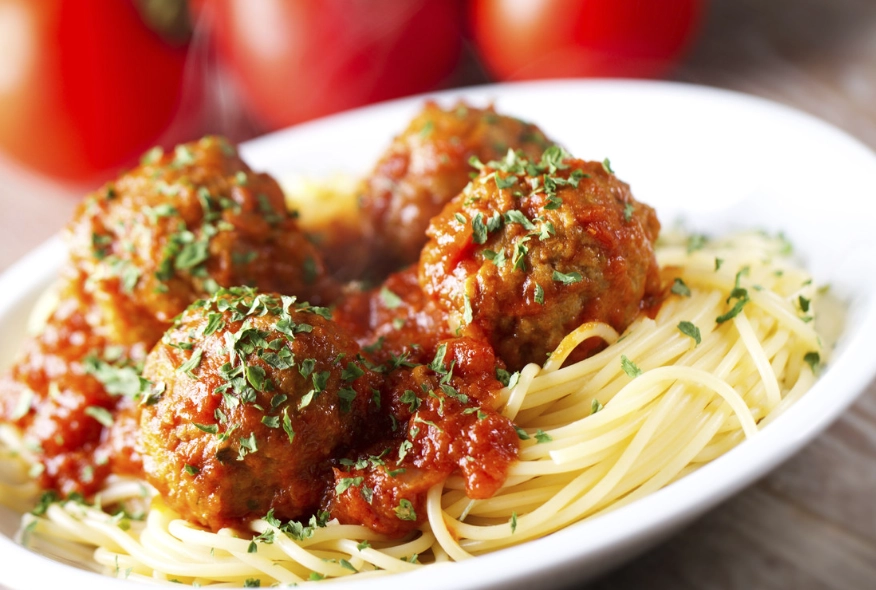
"Good mac and cheese should be creamy, not soupy, with a crust that gives way to gooey perfection. It's a texture journey."
Fried Chicken
Crispy, juicy, salty, and satisfying. American fried chicken has its own distinct personality. While frying techniques came from Scottish immigrants and West African culinary traditions, the American South perfected it. It's a dish of celebration, of Sunday supper, and of sheer technical skill.
The ideal piece of fried chicken has a shatteringly crisp, well-seasoned crust that doesn't separate from the meat. The inside should be moist and steaming hot. The seasoning debate is endless: buttermilk brine? Dry brine? Hot sauce in the marinade? I'm a firm believer in a long buttermilk soak—it tenderizes the meat and adds tang.
And then there's the oil temperature. Too hot, and the outside burns before the inside cooks. Too low, and you get greasy, soggy chicken. It's a dance. Whether you get it from a world-famous chain like Kentucky Fried Chicken (which literally put "fried" in the global lexicon) or a small-town joint where it's the only thing on the menu, it's a cornerstone of American cooking.
New England Clam Chowder
This is regionalism at its finest, and it represents the coastal, seafood-rich side of American cuisine. Specifically, we're talking about New England or "Boston" clam chowder—the creamy, milky-white one. Don't confuse it with the tomato-based Manhattan clam chowder (a point of contention for many New Englanders, who might not even consider it real chowder).
A proper New England clam chowder is hearty but not gloppy. It's brimming with tender clams (a mix of chopped cherrystones and quahogs is ideal), diced potatoes, onions, and sometimes salt pork or bacon for a smoky depth. The broth is rich with cream or milk, but it shouldn't be too thick. It's a bowl of warmth that tastes like a foggy day on the Cape.
I've had bad chowder that was basically wallpaper paste with a few rubbery clams thrown in. It's a tragedy. When done right, it's one of the most comforting and distinctive items you can find on the list of top American foods from the Northeast.
Tex-Mex Tacos (specifically, the Crispy Beef Taco)
Now, before anyone gets upset, I know tacos are Mexican. But the hard-shell, ground beef-filled taco you find in countless American homes and "Mexican" restaurants is a distinctly American invention—a pillar of Tex-Mex cuisine. It likely originated in the early 20th century in the Mexican-American communities of Texas and the Southwest.
This isn't about authenticity to Mexico; it's about the creation of a new, beloved American food form. The crispy U-shaped corn shell, the seasoned ground beef (with a spice packet from the grocery store for many families), shredded lettuce, diced tomato, grated cheddar cheese, and maybe some salsa or sour cream. It's a Tuesday night tradition for millions.
Is it gourmet? No. But is it delicious, fun to eat, and a huge part of American food culture? Absolutely. It's a perfect example of how immigrant cuisines adapt and become something new in the American context. For a look at the rich history of Mexican food in America, the resources at the Library of Congress can provide great historical context on culinary fusion.
Buffalo Wings
Born in 1964 at the Anchor Bar in Buffalo, New York, this is a relatively recent addition to the American canon, but its impact is massive. It's the ultimate sports food, bar food, and party food all rolled into one. The concept is brilliantly simple: deep-fried chicken wings (flats and drumettes) tossed in a sauce made of hot sauce (traditionally Frank's RedHot) and melted butter, served with celery sticks and blue cheese dressing.
The magic is in the contrast: the crispy skin, the fiery, vinegary sauce, and the cooling, creamy blue cheese dip. They're messy, communal, and addictive. Every sports bar in America has its own version, with heat levels ranging from "mild" to sauces that require a signed waiver.
My personal take? The butter is crucial. It rounds out the sharp heat of the sauce and helps it cling to the wing. Skip the ranch dressing—blue cheese is the traditional and superior pairing. Its rise from a late-night bar snack to a national phenomenon secures its spot on any top 10 American foods list.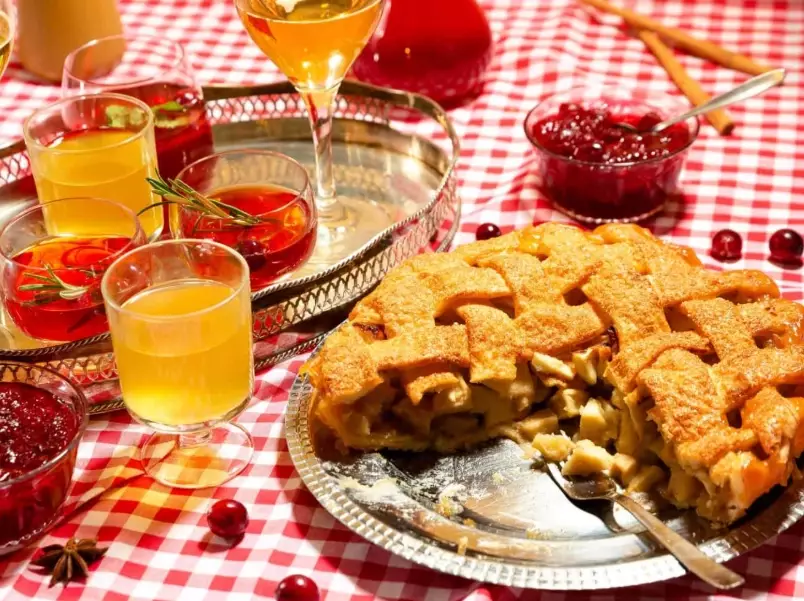
Reuben Sandwich
This is a deli masterpiece, a symphony of salty, tangy, creamy, and crunchy. The classic Reuben is made with corned beef, Swiss cheese, sauerkraut, and Russian or Thousand Island dressing, grilled between slices of rye bread until the cheese is melted and the bread is golden and crisp.
Its origins are disputed (New York City and Omaha, Nebraska, both have strong claims), which feels very American. It's a sandwich that shouldn't work on paper—fermented cabbage with creamy dressing?—but it creates something greater than the sum of its parts. The key is quality corned beef, tender and thinly sliced, and properly drained sauerkraut so the sandwich doesn't get soggy.
A great Reuben is a heavy, satisfying meal that leaves you wanting to take a nap. It's a testament to the influence of Jewish and German deli culture on American eating. You haven't really experienced American deli culture until you've tackled a properly made Reuben.
Peanut Butter and Jelly Sandwich (PB&J)
We end with the most humble, yet perhaps most universally American item on the list. The PB&J is childhood. It's lunchboxes, after-school snacks, and simple sustenance. It's also a culinary reflection of American agricultural history—peanuts from the South, grape jelly from Concord grapes grown in the Northeast, and wheat from the Plains, all between two slices of soft, white bread.
It's not fancy. It's often made with processed peanut butter and sugar-laden jelly. But its appeal is timeless. The creamy (or crunchy) saltiness of the peanut butter against the sweet, fruity jelly is a perfect combination. It's a food that requires no cooking, is loved by kids, and is still enjoyed by adults in a moment of nostalgic hunger.
As an adult, I've upgraded to natural peanut butter and homemade berry jam on whole wheat, and it's a fantastic quick meal. But sometimes, the classic Skippy and grape jelly on white bread just hits the spot. Its ubiquity and emotional resonance make it a non-negotiable entry when discussing the top 10 American foods.
Common Questions About American Food
You've seen the list, but you might still have some questions. Let's tackle a few that pop up all the time.
The Takeaway: Exploring the top 10 American foods is more than just a checklist for your stomach. It's a way to understand the country's history, its regional pride, and its incredible ability to take influences from around the world and create something new. From the slow-smoked traditions of the South to the quick comfort of a PB&J, these foods tell the story of America, one delicious bite at a time. So grab a napkin (you'll need it) and start tasting your way through the list.
Happy eating!




Comments
Leave a Comment