Journey Highlights
Let's be honest, everyone asks the same question: when is the *best* time to visit New York? And everyone expects a simple answer. The truth is, it's a trick question. My best time might be your worst nightmare. I remember my first visit in July. The humidity hit me like a wall when I stepped out of Penn Station, and the sidewalks felt like a slow-motion marathon. Not exactly the glamorous NYC movie scene I'd pictured.
So, I'm not going to give you one perfect month. Instead, let's break down what each season in New York City actually feels like—the good, the bad, and the downright sticky. We'll talk weather you can trust, crowd levels that might make you reconsider, prices that affect your wallet, and those magical events that make a trip unforgettable. Whether you're dreaming of cherry blossoms in Central Park or ice skating under the Rockefeller tree, your ideal best time to visit USA New York is in here somewhere.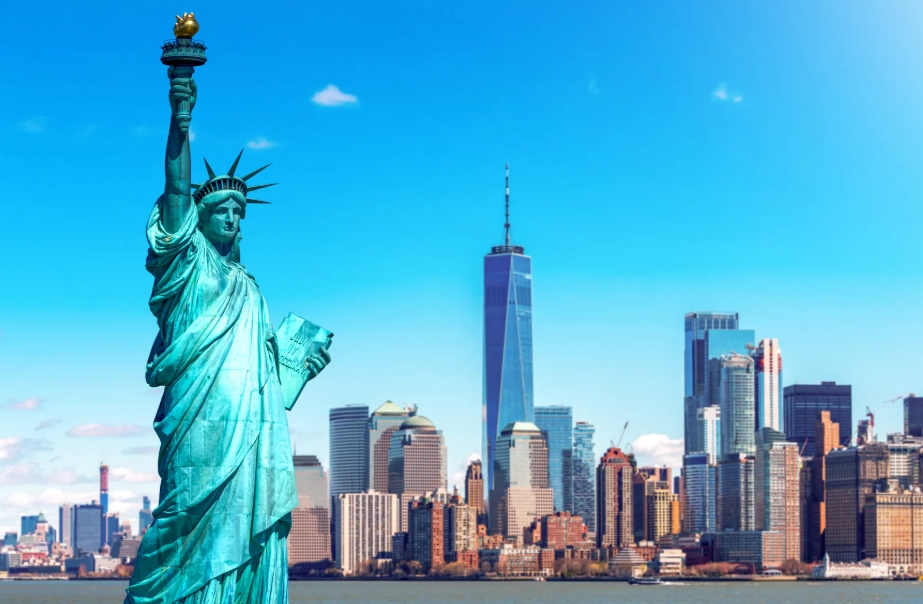
The Seasonal Rundown: What New York Feels Like Month by Month
Forget just temperature charts. Let's talk vibe, cost, and practicality.
Spring (April - June): The City Wakes Up
Ah, spring. This is when New Yorkers collectively exhale. The gray slush of winter is gone, and there's a tangible energy in the air. This period is a top contender for many people's best time to visit New York City, and for good reason.
The weather is famously fickle in April—one day it's 65 and sunny, the next it's 45 with a chilly rain. Packing layers is non-negotiable. By May, things stabilize into that glorious mild zone, and June starts to hint at summer warmth. The key event? The cherry blossoms. Head to the Brooklyn Botanic Garden or Central Park's Cherry Hill. The official Brooklyn Botanic Garden website has a bloom tracker, which is way more reliable than guessing.
Pro Tip: Early April can still be a bargain before the peak spring rates hit. The first week of May, however, is often surprisingly expensive due to various conferences.
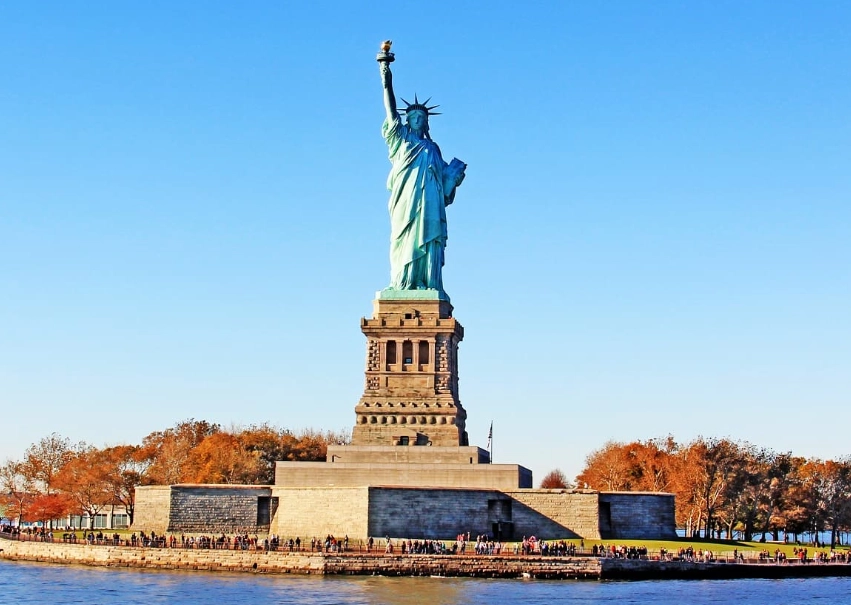
But is it perfect? Not quite. This is also prime tourist season. Lines for the Empire State Building or the Statue of Liberty get long. Hotels know it's desirable, so prices climb steadily from April to June.
Summer (July - August): The Sweaty Spectacle
Full disclosure: summer is my least favorite season here. The heat doesn't just rise from the sky; it radiates from the subway grates, the pavement, the brick buildings. Humidity makes the air feel thick. That said, calling it the "worst" time is unfair to the incredible energy it holds.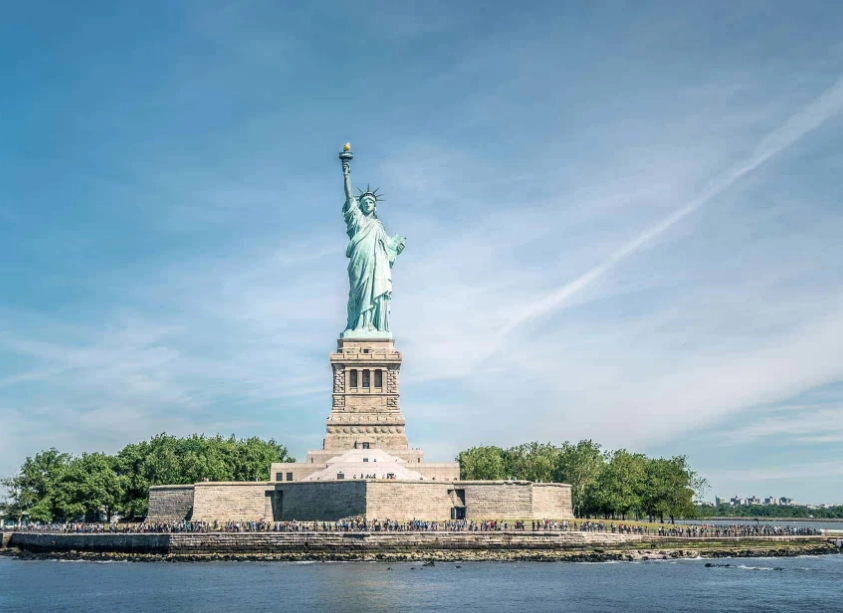
This is festival season. Free movies in Bryant Park, Shakespeare in the Park (though getting tickets is a mission), the Fourth of July fireworks over the East River, and endless street fairs. The city feels alive, almost like a 24/7 block party. Days are long, giving you maximum sightseeing hours.
| Summer Perks | Summer Drawbacks |
|---|---|
| Long daylight hours (sunset after 8 PM) | High heat & stifling humidity |
| Abundance of free outdoor events & festivals | Peak tourist crowds everywhere |
| Lively, energetic street atmosphere | Higher hotel rates, especially in August |
| Great for rooftop bars & evening strolls | Potential for uncomfortable subway waits |
You need a strategy. Plan indoor activities for the afternoon peak heat. Museums are a great refuge—the air conditioning is powerful. Book attractions in advance to skip lines. And always, always carry a water bottle.
Warning: Late August can be particularly brutal, hot, and crowded. Some locals who can, escape the city then. If you're heat-sensitive, this might not be your best time to visit USA New York.
Fall (September - November): The Golden Season
Ask a New Yorker, and many will point to fall as the undisputed champion. I have to agree. September often gives you the last warmth of summer but without the oppressive humidity. October is crisp, with brilliant blue skies and that famous fall foliage in Central Park. It's stunning—the sea of green turns to a fiery patchwork of orange, red, and yellow.
The energy is different from spring. It's more sophisticated, maybe. People are back from summer holidays, Broadway is in full swing with new shows, and the cultural calendar explodes. Restaurant Week often has a fall edition, a fantastic way to try high-end spots for less.
But (there's always a but), this popularity comes at a cost. Hotel prices in October are among the highest of the year. Columbus Day weekend is a mini-peak. And while the weather is generally glorious, late October and November can turn chilly and wet quickly.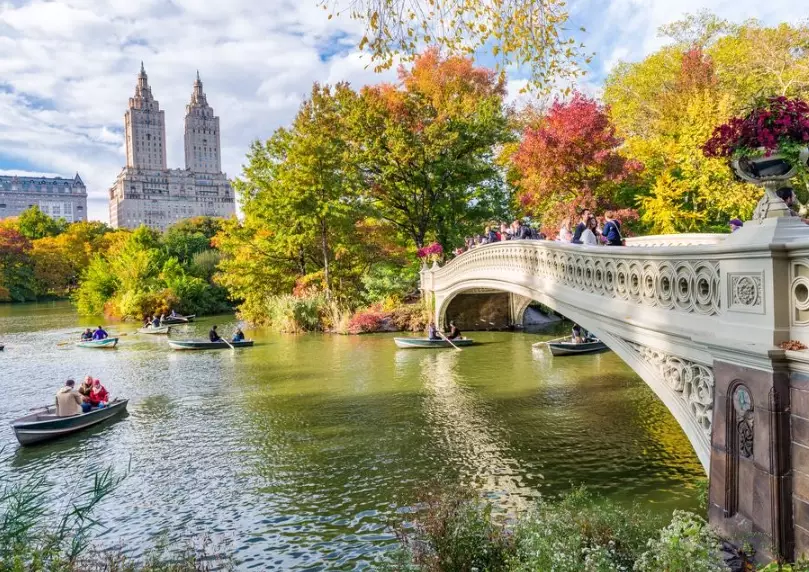
My personal favorite hack? Target the period just after Thanksgiving and before the mid-December holiday rush. You sometimes get decent weather, Christmas decorations are already up, and crowds are thinner. It's a sweet spot few talk about when discussing the best time to go to New York.
Winter (December - March): The Festive & The Frosty
Winter splits into two distinct phases: the magical holiday season (December to early January) and the quiet, cold stretch (January to March).
December in New York is pure magic. It's the reason people brave the cold. The store windows on Fifth Avenue are works of art. The Rockefeller Center tree, the ice rinks, the holiday markets at Union Square and Bryant Park—it's sensory overload in the best way. This is a best time to visit New York City for sheer festive spirit.
Top 3 Festive Periods in Winter:
- The Tree Lighting to Christmas: Maximum magic, maximum crowds and prices. Book everything a year in advance, seriously.
- Between Christmas and New Year's: Still festive, but some locals leave town. It remains very busy with tourists.
- First two weeks of December (pre-tree lighting): My top recommendation for holiday vibes. Decorations are up, markets are open, but the insane crowds haven't peaked yet.
Then comes January. The decorations come down, and the real winter sets in. It can be bitterly cold, with potential for snowstorms that are beautiful but disruptive. Here's the upside: this is the absolute best time for deals. Hotel prices plummet. You can walk into popular museums and restaurants without waits. If you pack properly (thermal layers, waterproof boots, a serious coat), you can have an amazing, crowd-free cultural trip. Just check the official NYC Tourism website for indoor event listings during these months.
February is similar, though sometimes a bit warmer. You might catch a Broadway show for a great price. March is a wild card—it can feel like spring or deliver a last snowstorm.
Beyond Seasons: Key Factors That Change Your "Best Time"
The season is only half the story. Your personal trip goals are the other half.
The Budget Traveler's Calendar
If your main goal is to save money, your best time to visit New York is firmly in the off-peak periods. That means January through early March (excluding New Year's), and the second half of August (if you can handle the heat). Late November (post-Thanksgiving, pre-December 15th) can also yield deals. Flight and hotel prices are significantly lower. You can often find "shoulder season" deals in late April or early November if you hunt.
The Family Trip Planner
Families are often tied to school breaks, which puts you in peak seasons: summer, spring break (March/April), and the winter holidays. Summer offers the most free, kid-friendly outdoor activities. Spring break has better weather but similar crowds. The holidays are magical but overwhelming and expensive. A lesser-known great time for families? The week after Thanksgiving weekend. Holiday decor is up, but the pre-Christmas tourist surge hasn't hit.
The Culture & Events Junkie
Your calendar is dictated by the event. Want the US Open Tennis? That's late August/early September. The NYC Marathon? First Sunday in November. Fashion Week? February and September. The vibrant Pride March in June. Check NYC's official event calendars and plan backwards.
Answers to the Questions You're Actually Asking
Let's get straight to the common worries and curiosities.
Putting It All Together: My Personal Recommendations
So, after all this, if you forced me to pick?
- For First-Timers & All-Arounders: Late May or Late September/Early October. You get great weather, manageable crowds (compared to peak summer), and the full NYC outdoor experience.
- For the Budget-Conscious: February. Bundle up, embrace the cozy indoor vibe, and enjoy the city without the crowds or price tags. Check out the Central Park Conservancy website for winter walking tour ideas—the park is stunning in snow.
- For the Holiday Enthusiast: The first two weeks of December. You get 90% of the magic for 70% of the hassle and cost of Christmas week.
- For a Unique Experience: January. See New York as New Yorkers live it—focused, fast-paced, and without the tourist filter. Theater deals are abundant.
Look, at the end of the day, New York is amazing year-round. I've had miserable rainy days in June and perfectly sunny, peaceful days in January. The city's energy is constant. Your best time to visit New York City depends on what you want to feel, how much you want to spend, and what you want to see. Use this guide to match the season's personality to your own travel style.
Don't overthink it. Book the trip that works for your schedule and budget. Pack smart for the season. Come with a plan but leave room for getting lost down a side street or following the smell of pizza. That spontaneous moment, regardless of the month, will likely be your best New York memory.
And who knows? You might find your own personal best time to visit USA New York that defies all the conventional wisdom. I know I have.




Comments
Leave a Comment