In This Guide
Let's be honest. When you think of New York food, your mind probably jumps to a giant slice of greasy pizza or a cartoonishly large bagel. And sure, those are part of the story—a delicious part. But if that's where your New York food journey begins and ends, you're missing about 99% of what makes eating in this city one of the greatest experiences on the planet. The real magic of New York food lives in the steaming dumpling houses of Flushing, the unassuming Dominican cafes in Washington Heights, the century-old Jewish delis, and the fiery Korean pubs in K-Town. It's a story told in countless languages, on every block, at all hours. This isn't just a list of places to eat. It's a manual for understanding the city itself, one bite at a time.
I've lived here for over a decade, and I still haven't scratched the surface. I've had meals that made me want to cry with joy (and some that made me cry because of the price). The goal here is to cut through the noise, the hyped-up Instagram spots, and the tourist traps. We're going to talk about the classics you genuinely need to try, the under-the-radar neighborhoods that food lovers dream about, and how to navigate it all without blowing your entire vacation budget. Because exploring New York food should be an adventure, not a stressful checklist.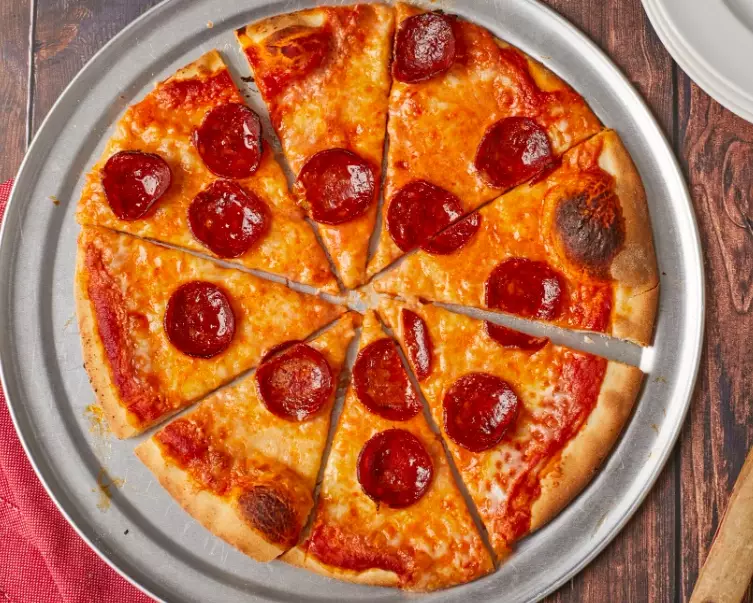
The Untouchable Classics: New York's Food Icons
You can't talk about New York food without paying respects to the pillars. These are the dishes that defined the city's culinary identity. But here's the thing—not every famous spot lives up to the hype anymore. Some are riding on reputation alone. Let's break down what's actually worth your time and money.
Pizza: The Slice vs. The Pie Debate
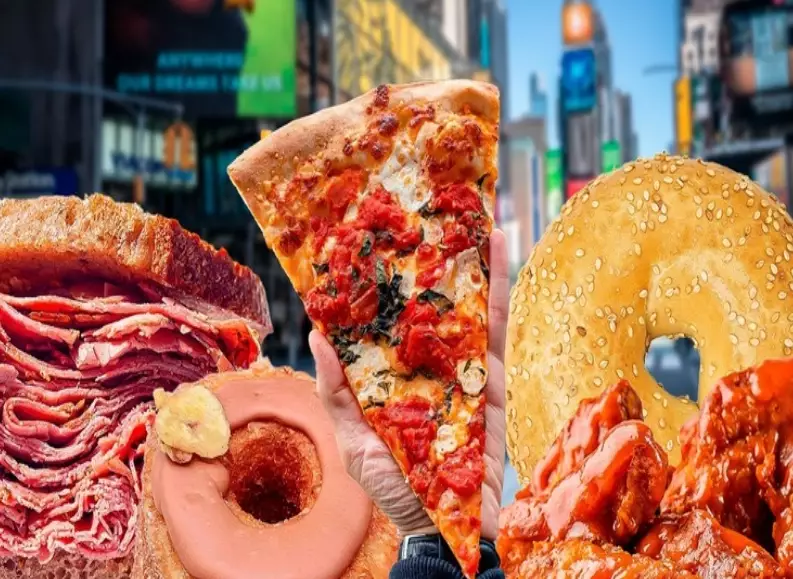
New York pizza is a religion, and everyone has their own church. The big divide is between the classic, foldable, grease-on-a-paper-plate slice and the artisanal, whole pie you sit down for. You need to try both to get the full picture.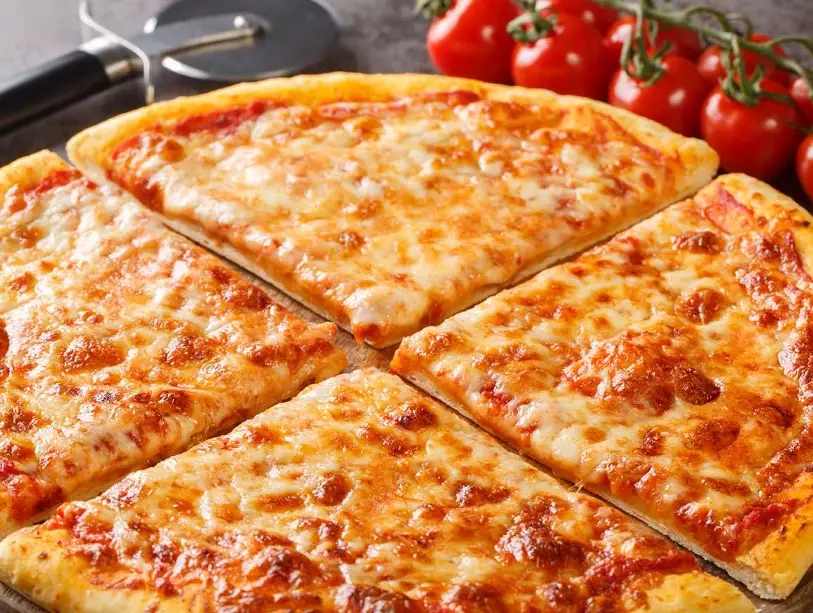
For the quintessential slice, you're looking for a few key signs: a thin, pliable crust with a slight char; sauce that's tangy, not sweet; and cheese that's generously applied but not swimming in oil. The slice should be sturdy enough to fold vertically but threaten to drip if you're not careful. My personal, slightly controversial take? Some of the most famous slice joints in Manhattan have become inconsistent. The quality swings wildly depending on who's working the oven. For reliability, I often trek out to neighborhoods like Astoria or Williamsburg.
For the whole pie experience, it's a different game. This is where you'll find sourdough crusts, house-made mozzarella, and creative toppings. The vibe is more restaurant, less counter service.
The Bagel: A Chewy, Dense Hill of Dough
If you've only had supermarket bagels, you haven't had a bagel. A real New York bagel has a dense, chewy interior, a shiny, crisp crust from being boiled in honey-water before baking, and a hole that's just the right size. The debate over who has the best is endless and heated. Is it the historic institutions on the Lower East Side with their lines out the door? Or is it the newer shops in Brooklyn that are putting their own spin on tradition?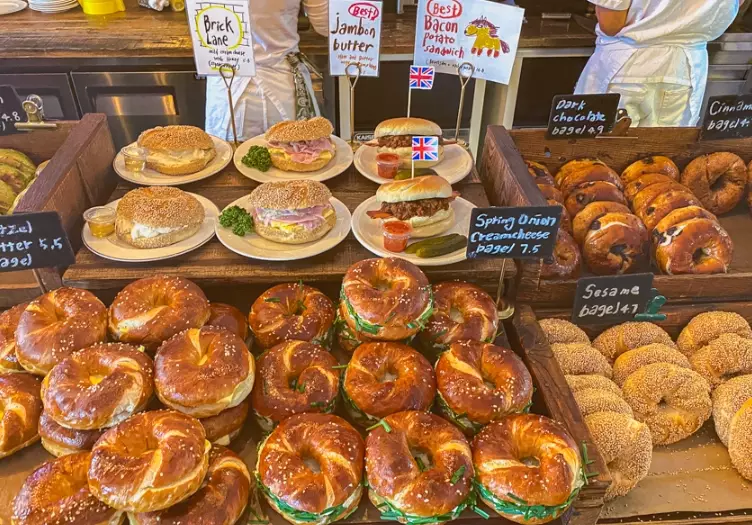
The schmear is non-negotiable. Cream cheese should be thick, cold, and applied in a generous layer. And while yes, an everything bagel with plain cream cheese is the standard-bearer, don't sleep on scallion or walnut raisin cream cheese. It's a game-changer.
I made the mistake once of buying a dozen "famous" bagels to bring to a family gathering out of state. By the time I got there, they were just... sad. A New York bagel is a perishable, ephemeral joy. It's meant to be eaten within hours, ideally within blocks of where it was baked. This is a key piece of New York food wisdom.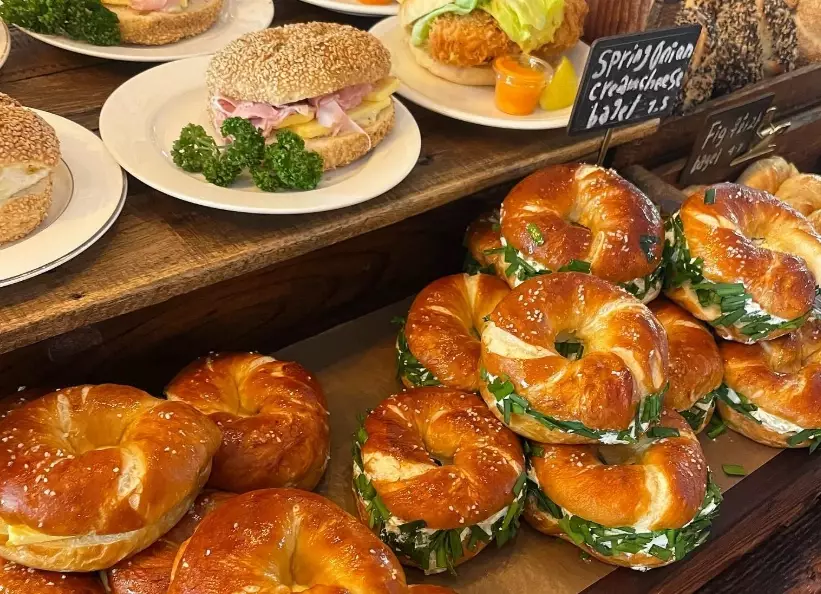
Pastrami on Rye & The Jewish Deli Tradition
This is where things get serious. A great pastrami sandwich is a monument to meat. The pastrami should be hand-cut from a steaming stack, incredibly tender, peppery, and slightly smoky. It's piled high on rye bread with a smear of spicy brown mustard. Pickles on the side are mandatory—the sour, crunchy contrast cuts through the rich fat.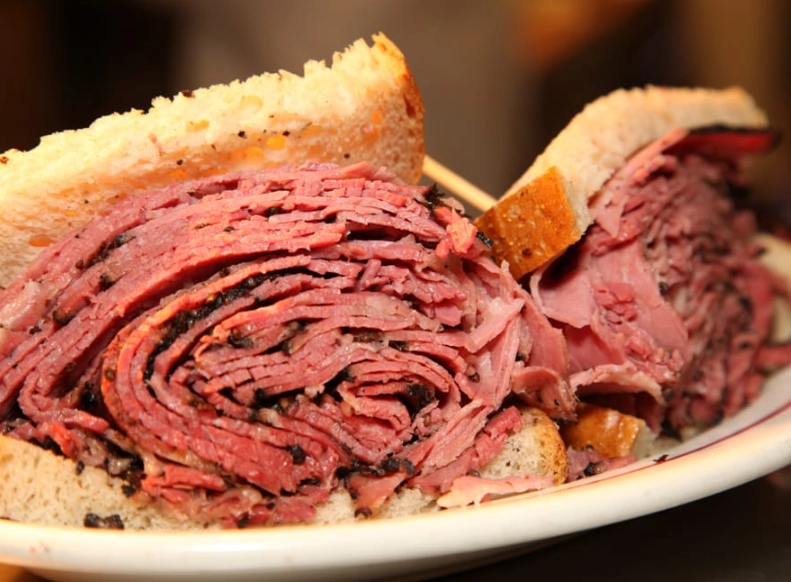
Places like Katz's Delicatessen are legends for a reason. The experience—getting a ticket, yelling your order at the carver, the sheer size of the sandwich—is as much a part of the New York food tapestry as the taste. But it's also expensive and packed with tourists. Is it worth it? For the history and the spectacle, absolutely, once. For a more low-key, arguably just-as-tasty experience, there are fantastic delis in the outer boroughs that locals fiercely protect.
The Jewish deli is more than pastrami. It's matzo ball soup that could cure any ailment, towering corned beef sandwiches, and sour pickles from a barrel. It's a fading but vital piece of the city's cultural and culinary history.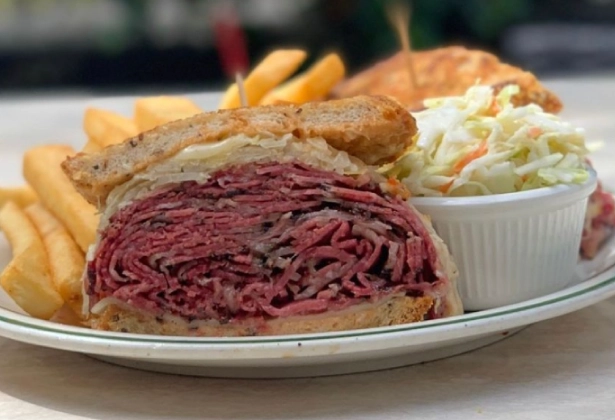
Beyond Manhattan: Where the Real New York Food Lives
If you only eat in Manhattan, you're seeing a polished, expensive version of New York food. The soul of the city's eating scene has always been in the outer boroughs, where immigrant communities have built vibrant food landscapes.
Queens: The Most Diverse Food Scene on Earth
It's not an exaggeration. Queens is arguably the epicenter of global New York food. You can travel the world in a few subway stops.
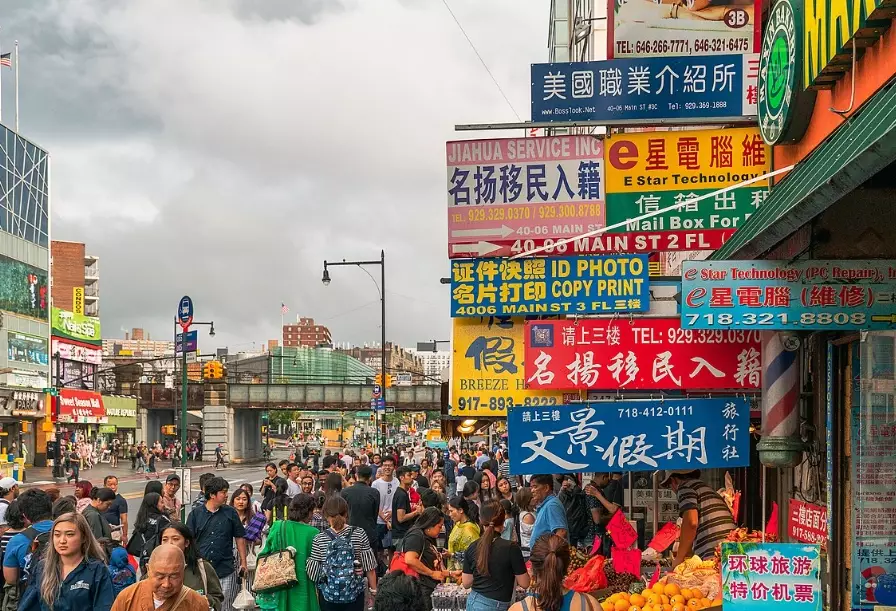
- Flushing, Chinatown: This isn't just a neighborhood; it's a massive, authentic Chinese city within New York. The New York food here is mind-blowing. Forget the Americanized takeout. We're talking about hand-pulled noodles made to order, soup dumplings (xiao long bao) with delicate skins and bursting broth, and Sichuan food so numbing and spicy it redefines your palate. The best spots are often in unassuming malls or basements. The Queens Tourism Council's official website has some great neighborhood guides to get you started, but wandering and following your nose (and the lines) is the best strategy.
- Jackson Heights: A spectacular mix of South Asian and Latin American cuisines. One block has incredible Tibetan momos (dumplings), the next has Colombian steak houses, and around the corner are Indian sweet shops and Bangladeshi curry houses. The variety of New York food here is staggering.
- Astoria: Long a Greek stronghold, Astoria's food scene has expanded to include fantastic Middle Eastern, Brazilian, and Balkan restaurants. The tavernas here serve grilled octopus and creamy tzatziki that can rival anything in the Mediterranean.

Brooklyn: From Old-School Institutions to Hipster Havens
Brooklyn's food scene is a tale of two cities: the historic, family-run spots that have been there for generations and the new-wave spots driving food trends.
In neighborhoods like Brighton Beach ("Little Odessa"), you'll find sprawling Russian banquet halls serving zakuski (appetizer spreads) and whole grilled fish. In south Brooklyn, old-school Italian restaurants with red sauce and checkered tablecloths still thrive. Then you have areas like Williamsburg and Bushwick, packed with innovative restaurants, natural wine bars, and fusion concepts. The tension between the old and new is what makes Brooklyn's New York food scene so dynamic, and sometimes, frustrating. A beloved Polish diner closes, and a craft coffee shop opens in its place. It's constantly evolving.
My personal favorite Brooklyn food experience? The simple, perfect roast pork sandwich from an unmarked Dominican bodega. It costs about $6, comes on a soft roll, and is dripping with garlicky, citrusy marinade. No website, no Instagram, just incredible food.
Navigating the New York Food Landscape: A Practical Guide
Okay, you're convinced. The New York food world is vast. How do you actually tackle it without getting overwhelmed or scammed?
How to Spot a Tourist Trap vs. a Gem
This is a crucial skill. Some signs a place might be more focused on tourists than good food:
- Menu has photos of every dish: Not always a bad sign, but often a warning.
- The menu is 12 pages long, covering 8 different cuisines: Jack of all trades, master of none.
- Located in Times Square with a giant, flashing sign: Run.
- Staff is standing outside aggressively beckoning you in: The food inside is rarely beckoning-worthy.
Signs of a potential gem:
- A short, focused menu that changes often.
- A line of locals (not tourists with maps) waiting outside at odd hours.
- The place looks a little worn-in, not designed for Instagram.
- You hear languages other than English being spoken by the staff and customers.
The Budget Conundrum: Eating Well Without Going Broke
New York food can be astronomically expensive. A tasting menu at a top restaurant can easily top $300 per person. But it can also be incredibly cheap and satisfying. The key is mixing high and low.
| Meal Type | Budget-Friendly Strategy | Splurge-Worthy Experience |
|---|---|---|
| Lunch | Hit a classic slice joint, a food cart (halal guys, anyone?), or a Chinatown dumpling house. You can eat like a king for under $10. | Many high-end restaurants offer a prix-fixe lunch menu that's significantly cheaper than dinner. It's a way to experience a famous kitchen for less. |
| Dinner | Explore the outer boroughs. A massive, shareable platter of Greek food in Astoria or a family-style Thai meal in Elmhurst offers incredible value. | Pick one or two special dinners for your trip. Research and make reservations well in advance. Check the Michelin Guide's NYC list for rigorously inspected options, but remember, a Bib Gourmand (their value award) can be just as rewarding as a star. |
| Drinks | Happy hours are your best friend. Many bars offer great deals on drinks and bar bites between 4-7 PM. Avoid ordering cocktails in trendy, over-designed lounges. | A classic cocktail at a historic bar (like a martini at Bemelmans Bar) is an experience worth the price for the atmosphere and history. |
One of my best food days in New York cost less than $30 total: a dollar-slice for breakfast, a $5 banh mi from a hole-in-the-wall in Chinatown for lunch, and a few shared plates at a lively, cheap tapas bar in the evening. You don't have to spend a fortune to experience amazing New York food.
Answering Your New York Food Questions
Final Bites of Wisdom
Exploring New York food is a marathon, not a sprint. Don't try to do it all. Pick a neighborhood, wander, and see what draws you in. Talk to people. The guy waiting in line with you for ramen might have the best recommendation for where to get dessert.
Embrace the messiness. The best meal might be at a place with sticky floors and fluorescent lighting. The worst might be at a spot with a beautiful patio and a huge social media following. That's the gamble and the joy of it.
And remember, the search for the perfect slice, the ideal bagel, the most life-changing dumpling—that search never really ends. That's what keeps us coming back to the incredible, endless world of New York food.


Comments
Leave a Comment